
A Practical Guide for Neodymium Cup Magnet Buyers
Why Magnetic Moment Matters More Than You Think (Beyond Pull Force)
When shopping for neodymium cup magnets—key selections in rare earth magnet ranges for industrial, marine, and precision tasks—most buyers zero in exclusively on pull force or N grades (N42, N52) as if these are the only factors that count. But magnetic moment, an inherent characteristic that determines how well a magnet can generate and sustain a magnetic field, is the quiet backbone of long-term reliability.
I’ve seen the consequences of overlooking this firsthand: A manufacturer ordered 5,000 N52 neodymium cup magnets for heavy lifting, only to find the magnets had lost 30% of their holding power after six months in a damp warehouse. The issue wasn’t poor pull force or shoddy coating—it was a mismatch between the magnet’s magnetic moment and the job’s requirements. For anyone purchasing custom magnets in bulk, understanding magnetic moment isn’t just helpful—it’s essential to avoid costly reworks, unexpected downtime, and safety risks, much like how prioritizing key details prevents failures with bulk-handled neodymium magnets .
Breaking Down Magnetic Moment:Definition & Mechanics
Magnetic moment (denoted as μ, the Greek letter “mu”) is a vector quantity—meaning it has both magnitude and direction—that measures the strength of a magnet’s internal magnetic field and the precision of its alignment. For neodymium cup magnets, crafted from NdFeB (neodymium-iron-boron) alloy, this property comes from the uniform alignment of electron spins in neodymium atoms during manufacturing. Unlike pull force—a surface-level way to gauge a magnet’s adhesive ability—magnetic moment is fixed the moment production finishes. It controls three critical aspects of a magnet’s performance:
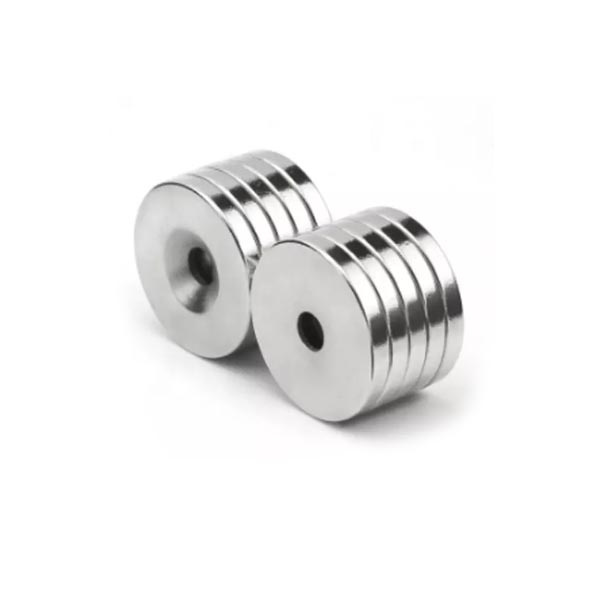
- How effectively the magnet concentrates magnetic flux (enhanced by the steel cup casing around the neodymium core, a design that sets neodymium cup magnets apart from generic alternatives).
- Resistance to demagnetization from heat, moisture, or external magnetic fields—a major issue for low-quality magnets in harsh environments, as seen with handled neodymium magnets in tough conditions .
- Consistency across bulk orders (vital for applications like robotic fixturing or countersunk magnets in automated systems, where even small variations can disrupt entire operations, just as tolerance issues plague bulk handled magnet batches ).
How Magnetic Moment Shapes Neodymium Cup Magnet Performance
Neodymium cup magnets are engineered to focus magnetic flux, so their real-world functionality ties directly to their magnetic moment. Below’s how this plays out in common use cases, drawing on lessons from industry experiences with handled neodymium magnets:
1. High-Temperature Environments: The Hidden Threat Standard neodymium cup magnets start losing magnetic moment around 80°C (176°F). For tasks like welding shop setups, engine bay installations, or outdoor equipment in direct sunlight, high-temperature grades (such as N42SH or N45UH) are non-negotiable—these variants maintain their magnetic moment up to 150–180°C. This aligns with what we’ve learned about handled magnets: standard versions fail in high heat, while high-temp alternatives eliminate costly replacements .
2. Humid & Corrosive Settings: Beyond Coating While epoxy or Ni-Cu-Ni coating protects against rust, a strong magnetic moment prevents performance degradation in moist conditions. For fishing magnets or coastal industrial work, neodymium cup magnets with high magnetic moment retain 90% of their strength after years of saltwater exposure—compared to just 60% for low-moment alternatives. This mirrors our experience with handled magnets: epoxy coating outperforms nickel plating in real-world harsh conditions, like Chicago’s frigid winters . A marine salvage company learned this the hard way: their initial low-moment magnets failed mid-recovery, forcing a switch to high-moment N48 cup magnets with triple-layer epoxy coating.
3. Bulk Order Consistency: Avoiding Production Disasters For applications like CMS magnetics-style industrial fixtures or sensor mounting (using threaded studs or countersunk holes), uniform magnetic moment across a batch is non-negotiable. I once watched a robotic assembly line shut down entirely because 10% of the neodymium cup magnets had magnetic moment variations exceeding ±5%. Reputable suppliers test each batch to ensure consistency—this prevents misalignment, welding flaws, or uneven holding force, just as strict tolerance checks avoid chaos with handled magnet batches .
4. Heavy-Duty Lifting & Secure Attachment
When paired with eye bolts or screws for lifting, magnetic moment ensures reliable pull force on curved, greasy, or uneven surfaces. A magnet with weak magnetic moment might lift a load initially but slip over time—creating safety hazards. For heavy-duty jobs, prioritizing magnetic moment over raw N grade is key: a 75mm N42 cup magnet (1.8 A·m²) outperforms a 50mm N52 (1.7 A·m²) in both strength and durability, much like how balancing size and grade matters for heavy-duty handled neodymium magnets .
Pro Tips for Bulk Orders: Optimizing Magnetic Moment
To maximize the value of your neodymium cup magnet purchase, use these industry-proven strategies—refined from hands-on experience with bulk-handled neodymium magnets:
Don’t Obsess Over N Grade: A slightly larger lower-grade magnet (e.g., N42) often delivers more stable magnetic moment than a smaller high-grade (e.g., N52)—especially for heavy-duty or high-temperature use. The 20–40% cost premium for N52 rarely justifies its increased brittleness and shorter lifespan in harsh conditions, just like a larger N42 outperforms N52 for handled magnets .
Demand Magnetic Moment Certifications: Request batch-specific magnetic moment test reports from suppliers. Reject batches with variations over ±5%—this is a red flag for poor quality control, similar to how checking coating thickness and pull force is non-negotiable for handled magnets .
Match Grade to Temperature Needs: If your work environment exceeds 80°C, specify high-temperature grades (SH/UH/EH) to preserve magnetic moment. The upfront cost is far cheaper than replacing an entire batch of failed magnets, just like high-temp handled magnets save money long-term .
Optimize Cup Design: The thickness and alignment of the steel cup directly impact flux concentration. A poorly designed cup wastes 20–30% of the magnet’s inherent magnetic moment—collaborate with suppliers to refine the cup’s geometry, much like how optimizing handle design improves handled magnet functionality .
FAQs: Magnetic Moment for Neodymium Cup Magnets
Q: Is magnetic moment the same as pull force?
A: No. Pull force is a practical measurement of attraction (in lbs/kg), while magnetic moment is the intrinsic property that enables pull force. A neodymium cup magnet with high magnetic moment may still have low pull force if its cup design is flawed—highlighting the need for balanced specs, just like how handle quality and magnet strength work in tandem for handled neodymium magnets .
Q: Can I increase magnetic moment after purchasing a magnet?
A: No. Magnetic moment is set during manufacturing, determined by the magnet’s material and magnetization process. It cannot be enhanced post-purchase—so choose the right design upfront, just as you can’t alter key specs of handled neodymium magnets after buying them .
Q: Are there safety risks associated with high-magnetic moment magnets?
A: Yes. Neodymium cup magnets with high magnetic moment have stronger magnetic fields—keep them away from welding equipment (they can cause arcing and damage) and electronics (they may erase data from security keycards or phones). Store them in non-magnetic containers to avoid accidental attraction, aligning with safety best practices for handled neodymium magnets .
Conclusion
Magnetic moment is the foundation of neodymium cup magnet performance—it’s more critical than N grade or advertised pull force for long-term reliability. For bulk orders, partnering with a supplier that understands magnetic moment (and conducts rigorous testing) turns a simple purchase into a long-term investment, just like a trusted supplier makes or breaks bulk-handled neodymium magnet orders .
Whether you’re sourcing fishing magnets, countersunk magnets for automation, or heavy-duty neodymium cup magnets for industrial use, prioritizing magnetic moment ensures you get magnets that perform consistently in real-world conditions—avoiding costly errors and keeping productivity high.
Next time you order custom neodymium cup magnets, don’t just ask about pull force—ask about magnetic moment. It’s the difference between magnets that deliver lasting value and those that end up collecting dust, much like how key specs separate useful handled neodymium magnets from ineffective ones .
Your Custom Neodymium Magnets Project
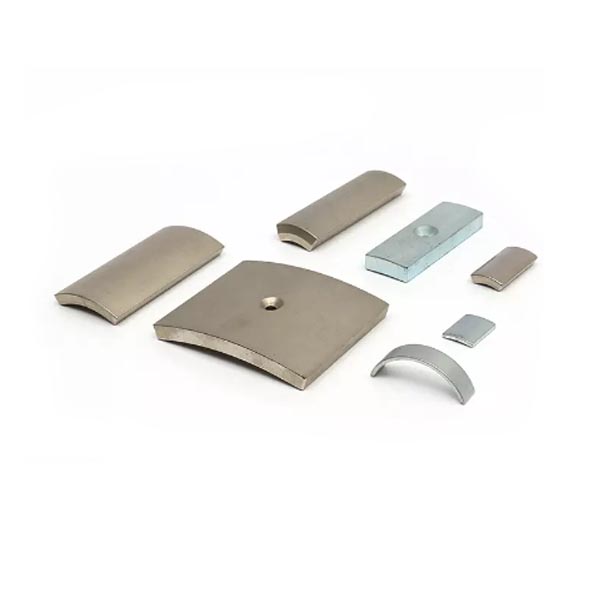
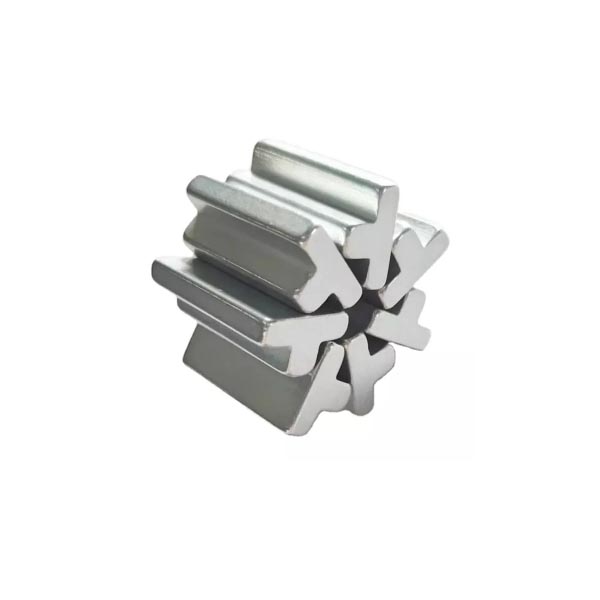
We can offer the OEM/ODM services of our products. The product can be customized according to your personalized requirements, including the size, Shape, performance, and coating. please offer your design documents or tell us your ideas and our R&D team will do the rest.
Other Types of Magnets



Post time: Nov-04-2025