Sintered Neodymium Magnets Manufacturer & Custom Supplier
Fullzen Technology supports product selection and custom project discussions for sintered neodymium magnets. Buyers can define material grade, shape, dimensions, magnetization, coating, and inspection requirements according to equipment design, magnetic circuit, operating environment, and order volume.
Selecting a sintered neodymium magnet involves more than choosing a magnetic grade. The magnet must also meet requirements for available space, operating temperature, resistance to demagnetization, corrosion protection, dimensional tolerances, and assembly conditions.
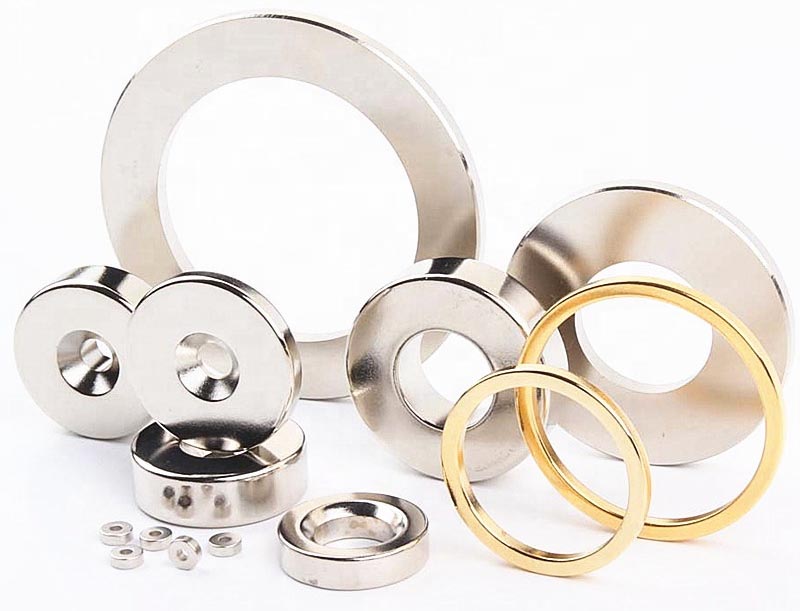
Our Sintered Neodymium Magnet Samples
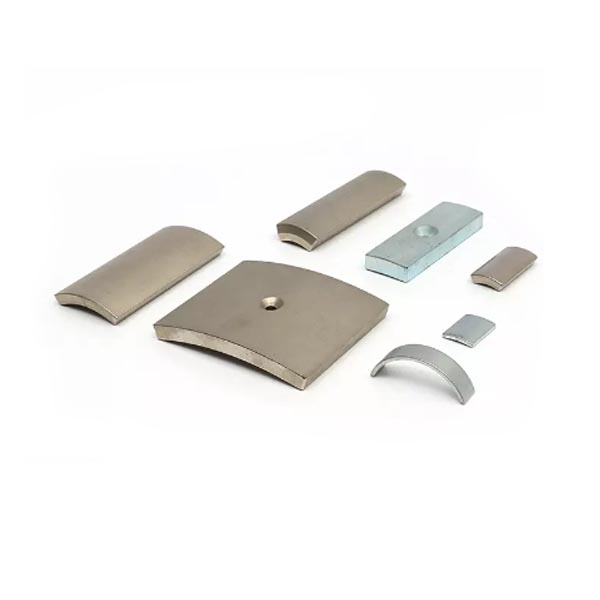
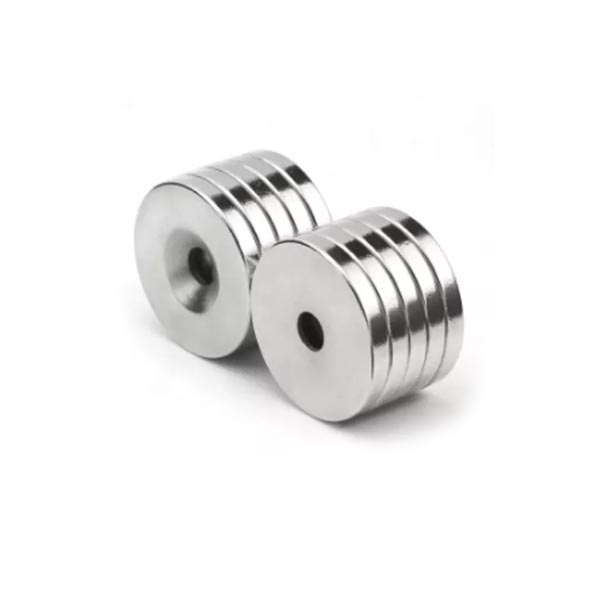
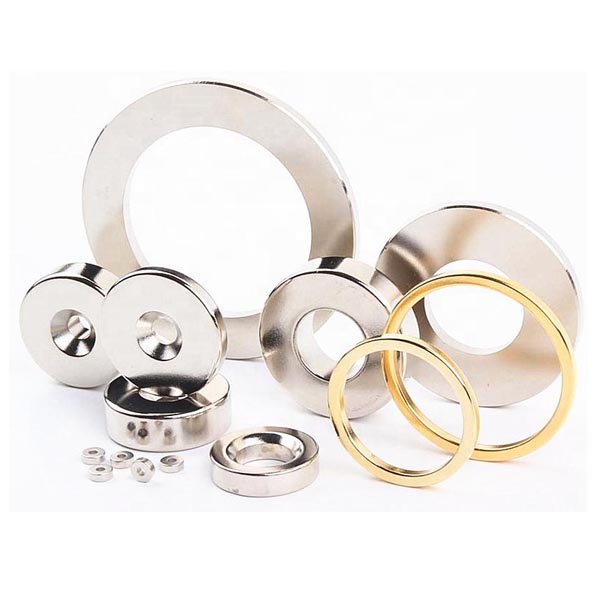
Sintered neodymium magnets are available in common shapes and can also be evaluated for custom dimensions and geometries based on engineering drawings. Shape affects the magnetic circuit, magnetization direction, machining requirements, and installation space, so the final specification should match the product design.

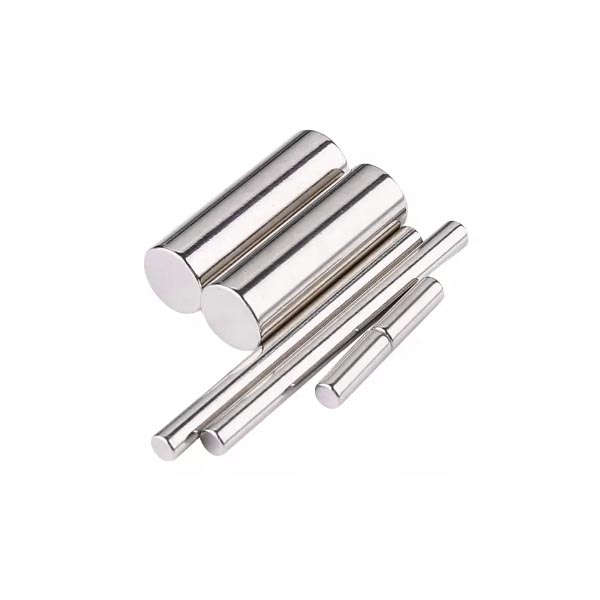
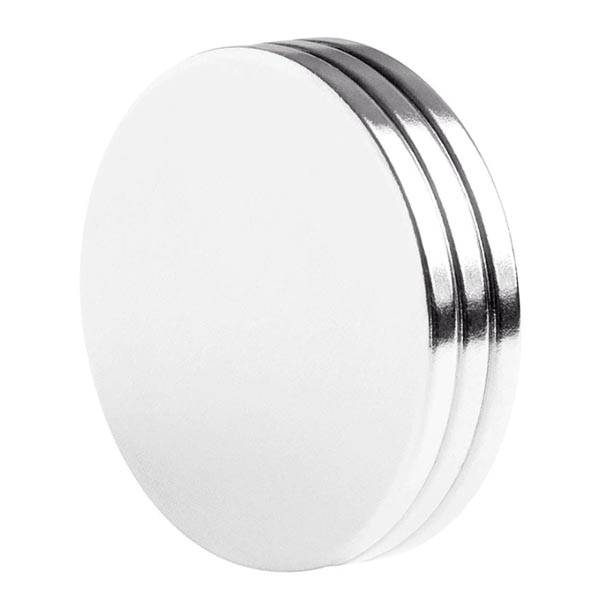
Disc and cylindrical sintered neodymium magnets are widely used in sensors, compact electronics, magnetic holding structures and some motor assemblies.

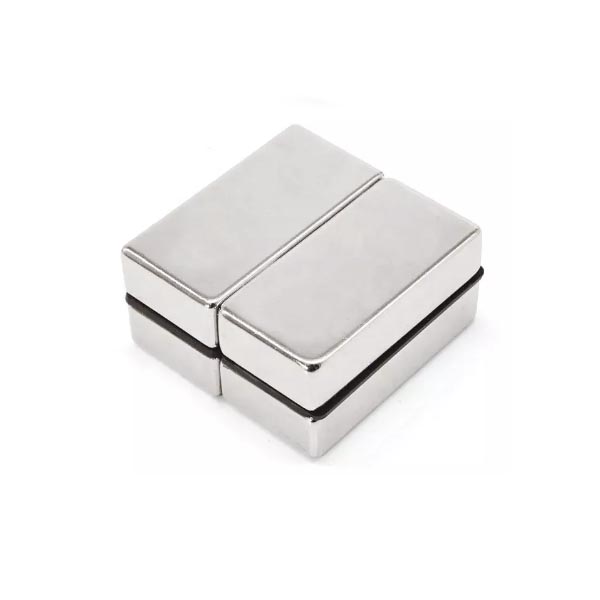
Block and rectangular sintered neodymium magnets suit linear magnetic circuits, positioning, fixtures, actuators and industrial assemblies.

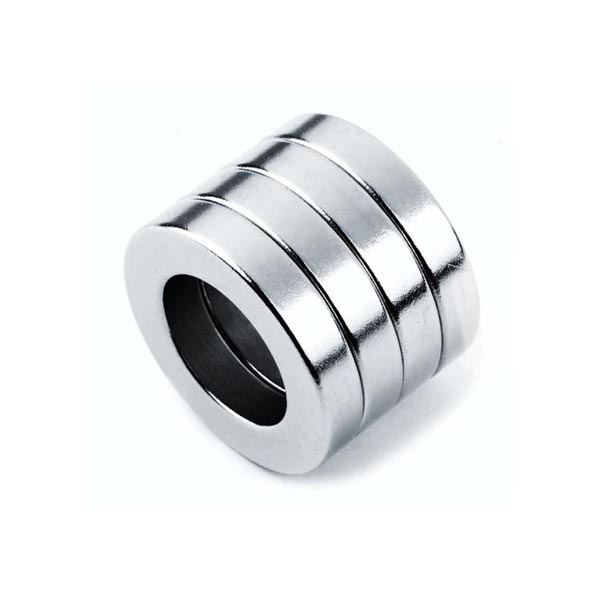
Ring sintered neodymium magnets feature a central bore for motors, rotating devices, magnetic couplings and other annular magnetic circuit assemblies.

Arc and segment sintered neodymium magnets suit motor rotors, stators and curved magnetic circuits. Their geometry and pole arrangement need to match your design.
Custom-Shaped Sintered NdFeB Magnets
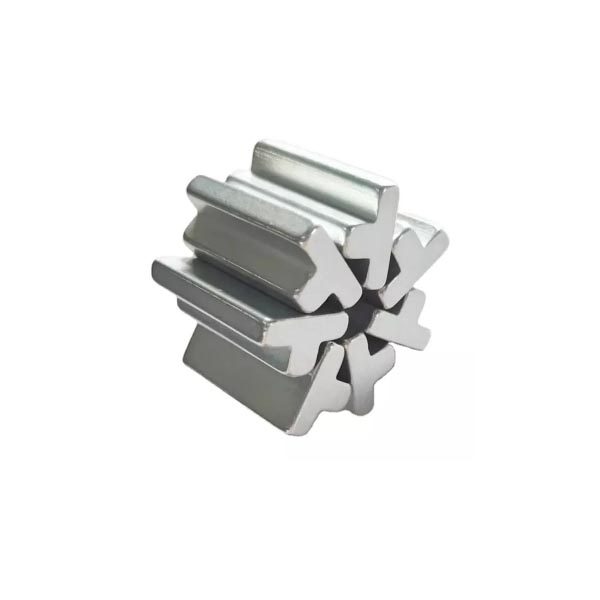
For projects beyond standard discs, rings, blocks and arcs, custom shapes can be evaluated from your drawings. Complex profiles may require special machining, higher material waste or extra tooling, so manufacturability and tolerances need confirmation before quotation.
Send drawings, samples or specs to Fullzen Technology for grade, dimension and magnetization discussion. Sample availability, cost and lead time depend on project details.
Request a Free Sample – Test Our Quality Before Bulk Order
Custom Sintered Neodymium Magnets – Process Guide
A smooth custom sintered neodymium magnet project starts with locking down the technical specs and manufacturability before mass production. Clear drawings, complete application details and agreed acceptance rules reduce back-and-forth queries, specification mistakes and assembly issues later on.
Step 1: Send over your requirements
Share your drawings, magnet dimensions, target magnetic performance, working temperature, application environment, estimated quantity and mounting details. Existing samples or spec sheets are also a good way to explain what you need.
Step 2: Pick the right grade and review the design
We select the magnet grade based on your magnetic targets and actual working temperature. For high-heat settings, strong reverse magnetic fields or tight-space designs, comparing grades such as N35, N42, N48 and N52 alone is not enough. We also need to consider coercivity, the magnetic circuit and the service conditions.
Step 3: Finalize dimensions and magnetization
All critical dimensions, tolerances, pole positions and magnetization directions must be confirmed before production. For rings, arcs and multipole magnets, please provide a drawing or pole layout — do not rely on visual appearance alone.
Step 4: Agree on coating and inspection standards
Missing information on bulk orders frequently leads to last-minute changes and delayed shipments. We finalize specs, quantity, packaging, inspection standards and delivery schedule together before production starts. Fullzen schedules production based on confirmed order details. Lead time depends on raw material availability, part complexity, order size and current workshop schedule.
Step 5: Approve samples before the mass run
For new designs or tight-tolerance parts, we recommend sample testing first. Once the samples are signed off, the finalized drawing, grade, magnetization, coating and inspection rules become the standard for mass production and repeat orders.
Step 6: Inspection, packaging and shipment
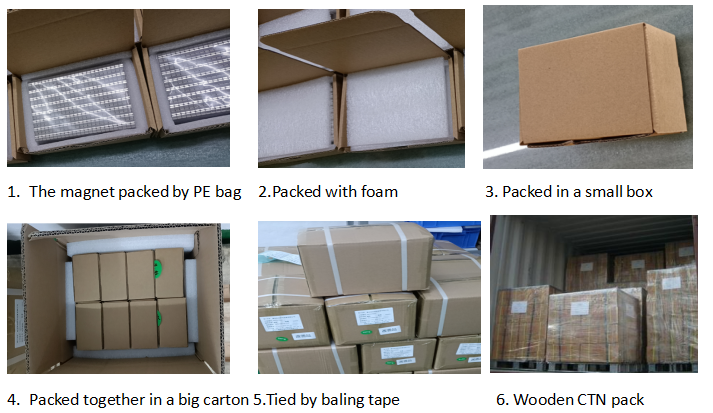
Finished magnets are inspected against the agreed specifications and packed properly for magnetic goods. Packaging, labels, shipping documents and delivery plans are confirmed before production starts — especially for export orders that require custom paperwork.
Sample terms, lead time, MOQ and the bulk delivery schedule vary depending on size, grade, machining difficulty, coating type, order quantity and raw material availability.
What Are Sintered Neodymium Magnets?
Sintered neodymium magnets, also known as sintered NdFeB magnets, are rare-earth permanent magnets made by powder metallurgy. Their main components are neodymium, iron and boron. The production process includes alloying, powder making, magnetic orientation, pressing, sintering and post machining, which delivers high magnetic performance.
Their biggest benefit is strong magnetic output within a small footprint, ideal for projects needing high magnetic field, compact size or high energy density. Real-world performance depends on grade, size, magnetization direction, working temperature and magnetic circuit.
Sintered NdFeB magnets are hard but brittle. Avoid heavy impact, bending or tension unless your assembly has protective design. Handle carefully to prevent chipping or cracking.
They are prone to corrosion, so surface coating is usually required. Your coating choice impacts corrosion resistance, finished size, assembly gap and service life.
· High energy product: strong magnetism in a small size, perfect for compact magnetic circuits.
· Multiple grades: pick based on magnetic output, coercivity and working temperature.
· Various shapes: blocks, discs, cylinders, rings, arcs and custom profiles.
· Custom sizes: dimensions and tolerances reviewed from your engineering drawings.
· Flexible magnetization: axial, radial, diametrical or multipole, subject to design and process capability.
· Application‑matched coatings: surface protection tailored to humidity, corrosion, assembly and working conditions.
Sintered and bonded NdFeB magnets are both neodymium magnets, but they differ in production process, features and use cases. Choose based on magnetic performance, shape complexity, tolerance, cost and working conditions.
| Comparison | Sintered NdFeB | Bonded NdFeB |
| Manufacturing | Powder metallurgy and sintering | Magnetic powder combined with a binder |
| Magnetic performance | Generally offers higher energy product | Generally lower than high-performance sintered grades |
| Shape design | Requires evaluation of pressing, sintering, and secondary machining | Injection or compression molding can support selected complex shapes |
| Material behavior | Hard and brittle; chipping and cracking must be managed | Mechanical properties depend on binder and molding process |
| Typical applications | High-performance motors, industrial equipment, sensors, and compact magnetic circuits | Selected complex geometries, precision components, and designs suited to bonded molding |
| Selection factors | Magnetic properties, temperature, dimensions, tolerances, and coating | Molded geometry, magnetic performance, mechanical properties, and dimensions |
If the primary goal is high magnetic performance within limited space, sintered NdFeB should be evaluated. If the design requires a particular molded geometry or other advantages of bonded processing, bonded NdFeB may also be considered. The final choice should be based on technical requirements and validation.
Technical Specifications of Sintered Neodymium Magnets
A sintered neodymium magnet specification typically includes material grade, remanence, coercivity, maximum energy product, dimensional tolerances, operating temperature, surface coating, and magnetization direction. Together, these parameters determine whether the magnet can meet the magnetic and operating requirements of the equipment.
Sintered NdFeB magnets are available in N-series grades and grades with temperature-related suffixes. The number following N primarily indicates the maximum energy product class, while suffixes such as M, H, SH, UH, EH, and AH generally distinguish coercivity levels and high-temperature performance categories.
| Grade family | General characteristic | Selection considerations |
| N series | Magnetic performance grades for conventional operating conditions | Target energy product, actual temperature, and demagnetization risk |
| M series | Selected grades with higher coercivity than standard grades | Temperature rise, opposing magnetic field, and magnetic operating point |
| H series | Designed for applications requiring higher coercivity | Actual operating temperature and demagnetization margin |
| SH series | Selected designs requiring greater temperature capability | Temperature profile, magnetic load, and assembly conditions |
| UH / EH / AH series | Designed for higher-temperature or higher-demagnetization-resistance requirements | Specific grade data, cost, and application validation |
These families provide a general guide only. Available grades and performance data vary by manufacturer. Confirm the actual grade, magnetic properties, and recommended operating temperature against the relevant material data sheet.
A higher N number does not mean that every magnetic property is higher, nor does it automatically indicate a higher operating temperature. For example, N52 should not be treated as a high-temperature grade by default. For continuous heat, rapid temperature changes, or strong opposing magnetic fields, review coercivity and actual operating conditions rather than comparing maximum energy product alone. Projects evaluating high-energy ring magnets can also review N52 neodymium ring magnets and verify suitability against temperature and demagnetization requirements.
| Parameter | Full name | Meaning |
| Br | Remanence / Residual Induction | Indicates the magnetic flux density retained by the material after magnetization. |
| Hcb | Coercivity | The reverse magnetic field required to reduce magnetic induction to zero. |
| Hcj | Intrinsic Coercivity | Indicates the material's resistance to irreversible demagnetization. |
| (BH)max | Maximum Energy Product | The maximum energy product represented on the material's demagnetization curve. |
| Tw | Maximum Recommended Operating Temperature | A recommended temperature limit that must be considered with grade, magnetic circuit, and operating conditions. |
Magnetic properties should be evaluated together with the magnet's dimensions, magnetization direction, and equipment magnetic circuit. Material data-sheet values are not the same as the magnetic field measured after installation. The actual field is also affected by geometry, air gap, surrounding materials, and mounting position.
Sintered neodymium magnets can be evaluated for custom dimensions, but dimensional capabilities vary by shape and machining method. Drawings should identify all critical dimensions, datums, geometric tolerances, and inspection requirements.
Block magnets: length, width, and thickness.
Disc magnets: outside diameter and thickness.
Cylinder magnets: diameter and length.
Ring magnets: outside diameter, inside diameter, and thickness.
Arc magnets: inner and outer profiles, radii, arc length, thickness, and relevant angles.
Custom geometries: all critical dimensions and tolerances shown on the engineering drawing.
For cylindrical products, the key dimensions are usually diameter and length. Review the neodymium cylinder magnet range when comparing cylindrical product configurations.
Dimensional tolerances should be confirmed according to product shape, machining method, size, and assembly requirements. For close-fit components, identify critical dimensions and allowable deviations during quotation instead of assuming that every magnet can meet the same tolerance.
Surface coatings on sintered neodymium magnets are primarily used to reduce corrosion risk and meet specific appearance, environmental, or assembly requirements. The coating should be selected according to humidity, salt spray, chemical exposure, temperature, and expected service life.
| Coating | Typical characteristics | Factors to review |
| Ni-Cu-Ni | A common multilayer nickel-copper-nickel electroplating system for many general industrial and electronic applications | Coating integrity, dimensional build-up, and actual corrosive environment |
| Zinc | A common metallic surface-treatment option | Humidity, corrosive media, and storage conditions |
| Epoxy | A polymer coating used in applications requiring specific protective properties | Coating thickness, adhesion, abrasion, and environmental compatibility |
| Phosphating | A surface treatment used for selected application requirements | Operating environment, assembly, and protection needs |
| Other custom coatings | Other options may be evaluated for specific projects | Process feasibility, dimensions, durability, and applicable requirements |
Coatings are not interchangeable in every application. For humid, salt-spray, or chemical environments, provide the actual exposure conditions and specify whether salt-spray testing, adhesion testing, or other corrosion validation is required.
The magnetization direction determines the location of the north and south poles and affects the magnetic field distribution and equipment magnetic circuit. It should be defined during product design rather than inferred from the magnet's appearance.
Axial magnetization: common in disc, cylinder, and selected ring magnets, with poles generally located on the two axial end faces.
Diametrical magnetization: poles are arranged across the diameter of a cylinder or ring and may be used in selected rotary components and sensor designs.
Radial magnetization: the pole direction is arranged radially and is used in selected motor and ring-shaped magnetic circuit designs. Feasibility depends on product geometry and manufacturing process.
Multipole magnetization: multiple magnetic poles are formed on a magnet surface and are used in motors, encoders, and magnetic sensing systems.
For radial or multipole magnetization, provide a pole diagram, pole count, pole pitch, and target field distribution. Complex magnetization requirements may need dedicated tooling or additional technical review and should be confirmed before mass production.
Sintered Neodymium Magnet Manufacturing Process
Applications of Sintered Neodymium Magnets
Sintered neodymium magnets are used in products that require high magnetic performance, compact structures, or specific magnetic field distributions. Requirements for magnetic properties, shape, temperature, coating, and dimensional accuracy vary by application, so selection should begin with the equipment's actual operating conditions.
Electric Motors and Generators
Sintered neodymium magnets are used in magnetic assemblies for various motors and generators. Selection should consider flux density, rotational speed, temperature rise, opposing magnetic fields, rotor structure, and mechanical retention—not just the magnet grade. For motor magnetic-circuit projects, review neodymium ring magnets for motor assemblies for related configurations and applications.
Industrial Automation
Magnetic positioning, actuators, fixtures, and other components in automation equipment may use sintered neodymium magnets. Installation space, dimensional tolerances, repeatability, and operating environment are often as important as magnetic performance.
Sensors and Measuring Devices
Some position sensors, speed sensors, and measuring devices use sintered neodymium magnets to provide a magnetic field. Selection should define sensing distance, target field, pole direction, and operating temperature. Component-level testing may be needed to confirm performance.
Consumer Electronics and Compact Equipment
Sintered neodymium magnets can provide high magnetic performance in space-constrained electronic equipment. Designers should evaluate magnet dimensions, assembly clearance, coating thickness, nearby electronic components, and possible magnetic interference with other parts.
Magnetic Couplings and Custom Assemblies
Magnetic couplings and custom magnetic assemblies may require specific shapes, pole arrangements, or combined structures. Provide a complete drawing, target magnetic field, mounting design, and operating conditions so that compatibility can be reviewed before quotation.
OEM and ODM Projects
OEM and ODM projects often involve controlled drawings, volume requirements, inspection specifications, and delivery documents. For new product development, define critical parameters during sampling and use the approved specification as the reference for subsequent production and order review.
Why Choose Fullzen Technology for Your Magnet Project?
Industrial buyers look beyond unit price when choosing a magnet supplier. Technical support, spec review, quality control, order handling and export paperwork all count. For custom sintered NdFeB projects, sharing full details upfront speeds up selection and quotation.
Requirement-Based Product Selection
Magnetic needs and shapes vary by application. Send drawings, target sizes, working temperature and magnetization requirements, and we will sort out the technical points to confirm.
Custom Specifications
Standard sizes and grades cannot fit all designs. We check feasibility for special dimensions, tolerances, magnetization and coatings before specs are locked.
Quality Requirements and Documentation
Industrial orders usually come with fixed inspection rules and acceptance standards. List required test records and shipping documents at the inquiry stage for early confirmation.
B2B Order Communication
Consistent specs are critical for bulk, repeat and OEM orders. Confirm drawing version, grade, tolerance, magnetization, coating, labels and inspection terms to avoid batch discrepancies.
Export and Shipping Coordination
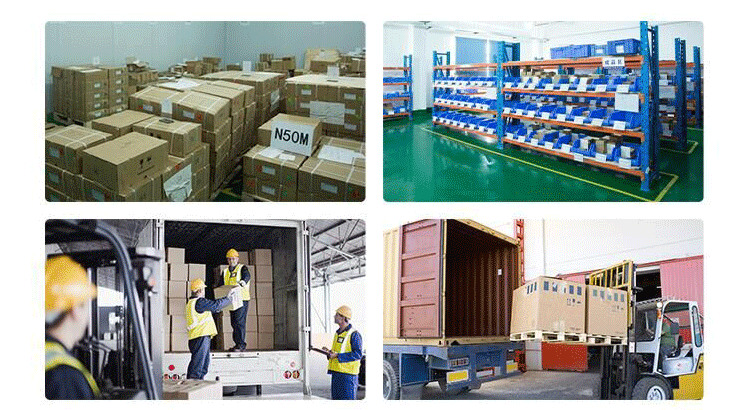
Export magnet shipments involve packaging, consignee details, logistics and special certificates. Required documents differ by destination and shipping mode; clarify scope before order confirmation.
Add details of Fullzen’s equipment, production flow, certifications, testing machines, monthly output, MOQ and lead time only after internal verification. Use verified company data instead of generic descriptions.

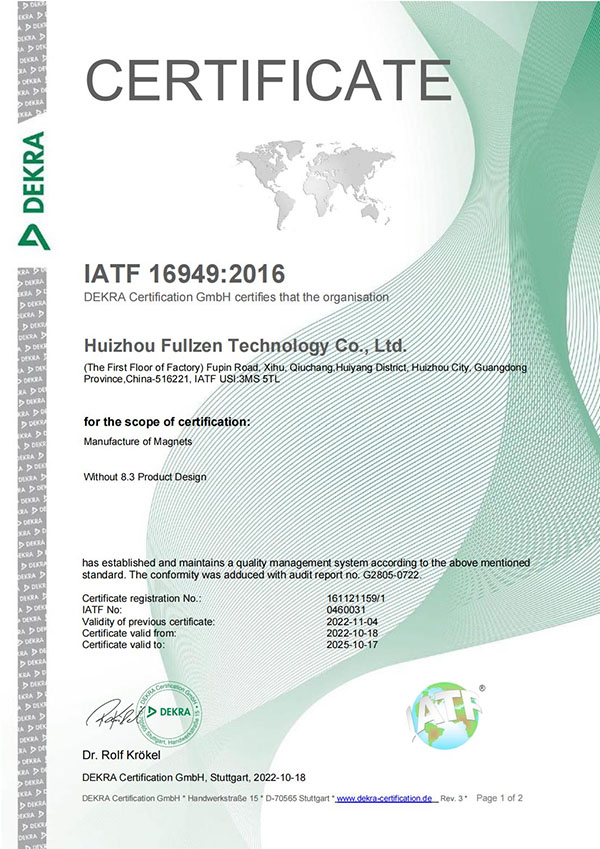
IATF16949
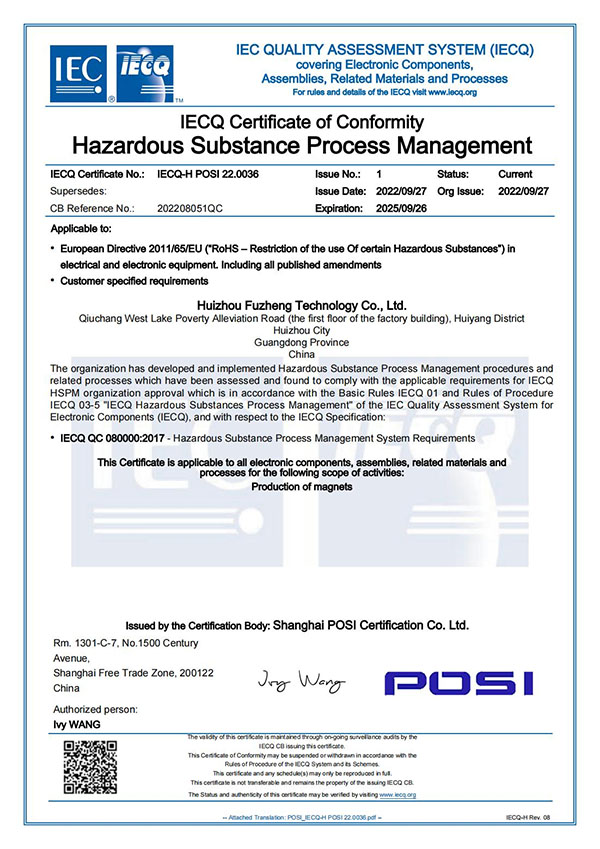
IECQ
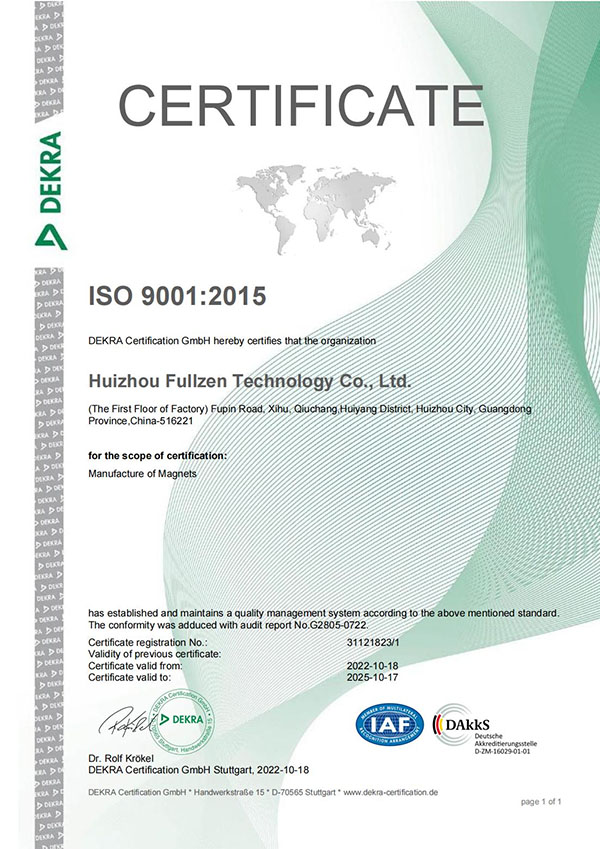
ISO9001
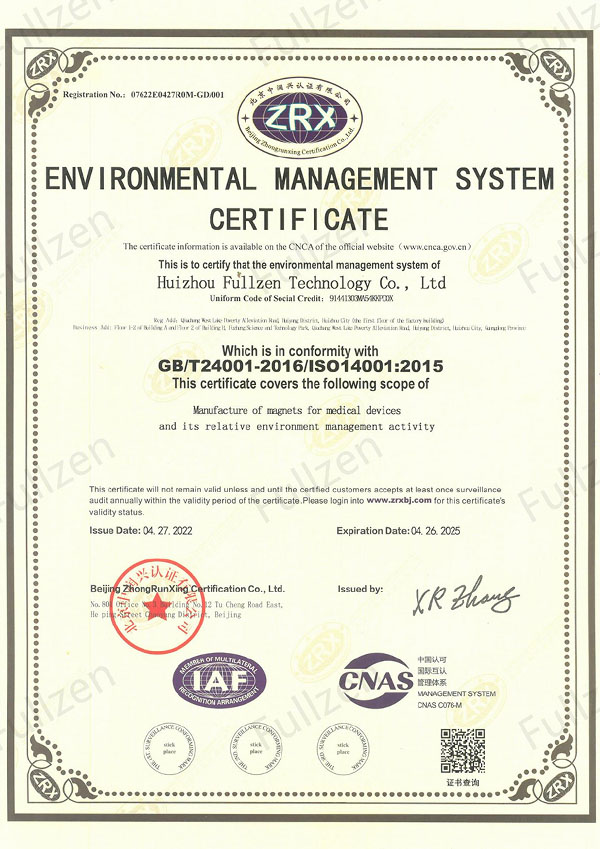
ISO13485
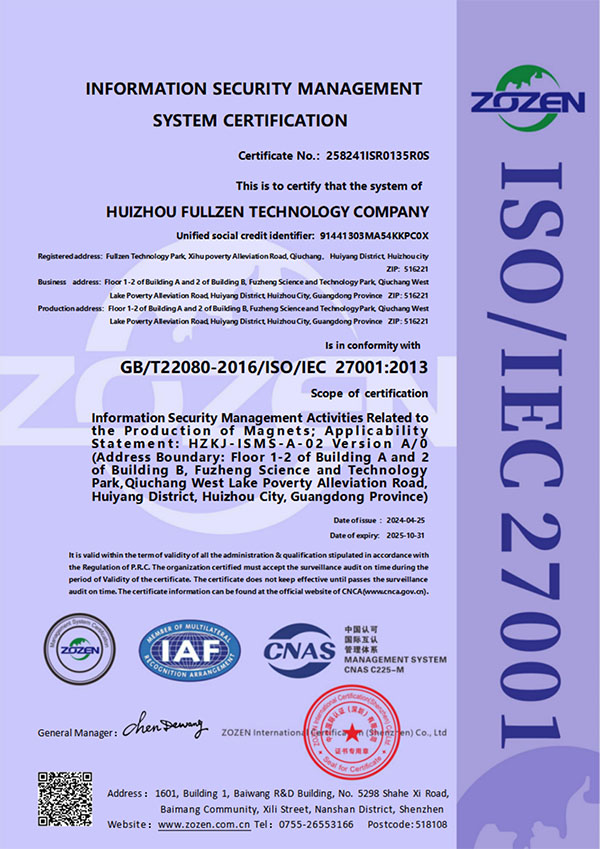
ISOIEC27001
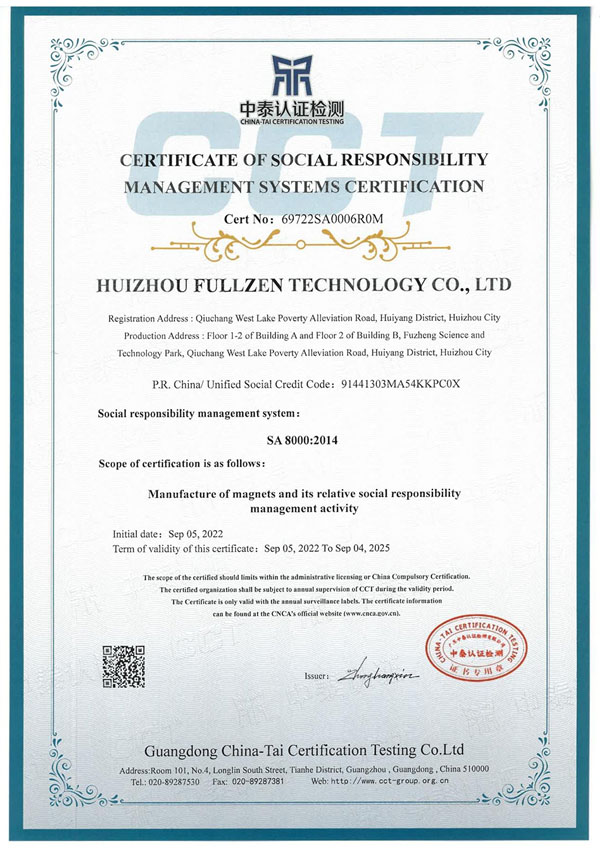
SA8000
Full Solutions From Neodymium Magnet Manufacturer
Fullzen Technology is ready to help you with your project by developing and manufacturing Neodymium Magnet. Our assistance can help you complete your project on time and within budget. We have several solutions to help you succeed.

Supplier Management
Our excellent supplier management and supply chain control management can help our clients to obtain a quick and accurate delivery of quality products.
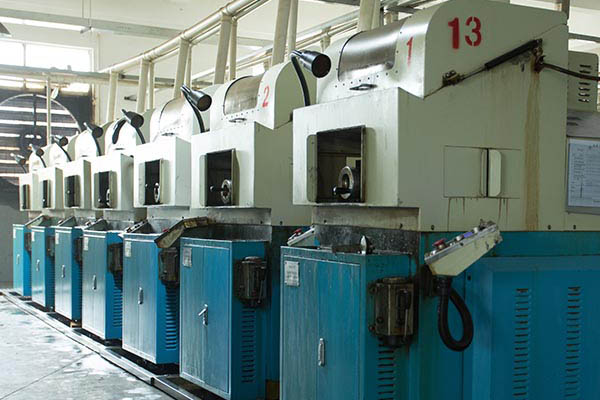
Production Management
Every aspect of production is handled under our supervision for uniform quality.
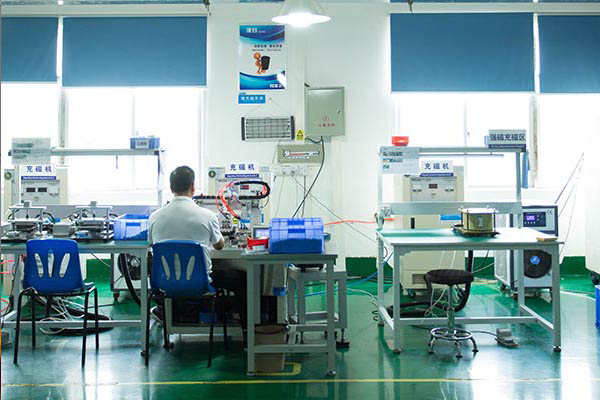
Strict Quality Management And Testing
We have a well-trained and professional (Quality Control) quality management team. They are trained to manage the processes of material procurement, finished product inspection, etc.
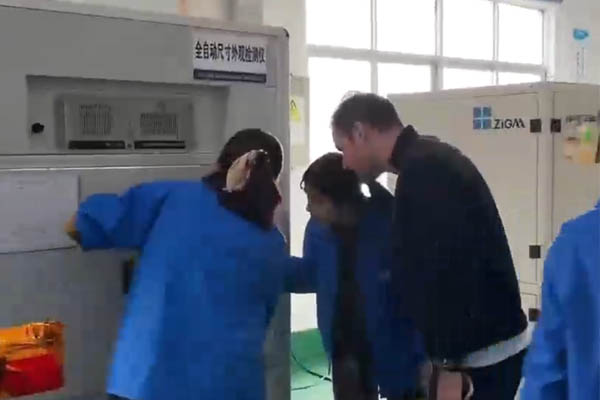
Custom Service
We do not only provide you with a high-quality magsafe rings but also offer you custom packaging and support.

Document Preparation
We will prepare the complete documents, such as bill of material, purchase order, production schedule, etc., according to your market requirements.

Approachable MOQ
We can meet most customers' MOQ requirements, and work with you to make your products unique.
Packaging details
Start Your OEM/ODM Journey
FAQs About Sintered Neodymium Magnets
Sintered neodymium magnets are rare-earth permanent magnets manufactured through powder metallurgy. They are primarily made from neodymium, iron, and boron and offer high energy product for motors, industrial automation equipment, sensors, and compact magnetic assemblies.
Sintered NdFeB magnets are pressed and sintered into dense magnets and generally offer higher magnetic performance. Bonded NdFeB magnets combine magnetic powder with a binder and can suit selected complex geometries and molding requirements. Selection depends on performance, shape, mechanical properties, dimensions, and cost.
The right grade depends on target magnetic performance, operating temperature, opposing magnetic field, magnetic circuit, and cost. A high-energy grade such as N52 is not automatically suitable for every application, particularly where temperature rise or demagnetization risk is significant. Review the material data sheet and actual operating conditions.
Custom shapes, dimensions, tolerances, magnetization directions, and coatings can be evaluated according to project requirements. Feasibility depends on geometry, machining capability, material specification, and order conditions. Provide a drawing or sample before quotation.
Common surface treatments include Ni-Cu-Ni, zinc, and epoxy coatings. Other options require review against the product and process. Select a coating according to corrosion exposure, temperature, coating thickness, dimensional limits, and assembly requirements.
Grades for higher-temperature applications can be evaluated, but actual temperature capability depends on grade, magnetic operating point, opposing magnetic field, and exposure duration. Provide the equipment's actual temperature range and confirm the solution against material data and testing.
Provide magnet shape, dimensions, material grade, magnetization, coating, dimensional tolerances, order quantity, operating temperature, and application environment. Identify any special inspection, packaging, or export-document requirements during inquiry.
A magnet grade describes material magnetic properties. Actual force or field strength also depends on magnet size, shape, magnetization, measurement distance, air gap, and magnetic circuit. Grade alone cannot predict performance inside equipment.
Sintered neodymium magnets are sensitive to corrosive environments and generally need suitable surface protection. Select the coating according to humidity, salt spray, chemical exposure, temperature, and expected service life. A standard coating should not be assumed suitable for every environment.
Yes. Sintered NdFeB is hard and brittle and can chip or crack under impact or improper assembly. Avoid allowing magnets to snap together at high speed and use suitable retention and protection in the assembly.
Sample availability, charges, and lead time depend on product specifications, machining complexity, and project conditions. For a new custom magnet, confirm the sample specification and acceptance criteria before mass production.
Confirm the final drawing and revision, material grade, dimensional tolerances, magnetization, surface treatment, inspection criteria, packaging labels, order quantity, and delivery requirements. A written specification helps reduce production deviations and inconsistencies between repeat orders.
Professional Knowledge and Buying Guide
How to Choose the Right Sintered Neodymium Magnet
Start by clarifying what the magnet needs to achieve, then lock in material and structural parameters. Buyers can follow this workflow:
1. Define the application: magnet placement, magnetic circuit, target magnetic output and equipment function.
2. Confirm available space: maximum size, assembly gap and critical tolerances.
3. Set operating conditions: continuous & peak temperature, humidity, corrosion and impact risks.
4. Pick the material grade: balance magnetic performance and demagnetization resistance, don’t just pick the highest grade.
5. Define magnetization: pole position, direction and pole count; supply a sketch if needed.
6. Select coating: match surface protection to environment, size and assembly needs.
7. Set inspection rules: specify checked items for dimensions, magnetism, appearance and other requirements.
Once these details are finalized, confirm quotation, sampling, mass production and delivery. This process helps lower project risks.
How to Select a Suitable Magnet Grade for Motor Applications
Motor magnet selection depends on flux demand, speed, temperature rise, reverse magnetic field, rotor structure and service life. High-energy magnets enable compact designs, yet poor coercivity or temperature resistance can cause irreversible demagnetization and performance drop.
For motor projects, share rotor/stator drawings, magnet position, working temperature, speed range and magnetic targets. Simulation data or existing magnet parameters also help with grade selection.
How to Select Coatings for Industrial Environments
Choose coatings based on real working conditions instead of looks or usual practice. Indoor dry, humid, salt spray and chemical environments each need different protection.
For long-term damp or corrosive exposure, state the environment, expected service life and test standard when enquiring. We will confirm a workable coating solution and run tests if required.
Why Magnetization Direction Matters
Magnetization direction decides pole layout and magnetic field distribution, which directly matches your magnetic circuit. Magnets with identical outer dimensions can fail your design if magnetized differently.
For axial, diametrical, radial or multipole magnetization, provide pole diagrams and pole numbers. Confirm special magnetization before sampling or mass production to avoid unusable batches.
Common Purchasing Problems and How to Avoid Them
Problem 1: Asking for a “strong magnet” without clear magnetic specs.
“Strong magnet” is not a valid acceptance standard. Provide grade, target flux or magnetic field, test distance and test conditions.
Problem 2: Confirming dimensions but forgetting magnetization.
Same outer shape does not mean same magnetization. Mark magnetization on drawings, especially for motors, sensors and ring magnets.
Problem 3: Overlooking operating temperature.
Standard grades cannot handle all high-temperature scenarios. Select grade based on actual heat, reverse field and demagnetization risk.
Problem 4: Choosing coating without checking the environment.
General coatings fail under salt spray or chemical attack. Share environmental details and corrosion test requirements.
Problem 5: No clear inspection standard for mass production.
Orders with only product name and quantity easily lead to disagreements on size, appearance and magnetic acceptance. Lock drawings, specs and inspection criteria before production.
Problem 6: Submitting incomplete inquiry information.
Missing size, grade, coating, magnetization or quantity causes repeated quote revisions. Full technical details help us calculate cost and lead time accurately.
Request a Quote for Custom Sintered Neodymium Magnets
Looking for sintered neodymium magnets for motors, automation, sensors or other equipment? Send your drawings, specs or existing magnet details to Fullzen Technology.
If your project is finalized, share dimensions, grade, magnetization, coating and quantity. If still in design phase, tell us your application, space limits and working conditions first, and we will work out technical parameters together.
Fullzen will review specs, manufacturability and commercial terms based on your input. Final quotation, sample terms, MOQ, lead time and delivery plans are confirmed case by case.