
China’s NdFeB Magnet Export Policy: What International Buyers Need to Know
For overseas buyers sourcing sintered NdFeB magnets from China, rare earth export controls are something you need to keep on your radar. As of November 6, 2026, we’d like to walk you through the key rules from the April 2025 controls, plus the important November 10, 2026 deadline for a set of suspended regulatory measures.
A key point to keep in mind: not all neodymium magnets are restricted. What matters is whether your exact magnet formulation falls into the controlled list, and whether an export license will be needed.
This classification decides your customs code, export paperwork, shipping timeline, and how we align with you on order compliance.
1. April 2025 Controls: Target Specific NdFeB Materials
On April 4, 2025, China’s Ministry of Commerce and General Customs issued Announcement No.18 of 2025, rolling out export controls for certain medium and heavy rare earth related goods.
Controlled items cover selected metals, alloys, compounds and permanent magnets tied to seven rare earth elements: samarium, gadolinium, terbium, dysprosium, lutetium, scandium and yttrium.
For NdFeB magnet buyers, two categories matter most:
NdFeB permanent magnets containing terbium
NdFeB permanent magnets containing dysprosium
The rule covers both finished magnets and magnetic powder. If your part lands on this controlled list, the exporter must apply for the relevant license and declare the goods correctly at customs.
This is why material composition matters more than the magnet grade name. You cannot tell if it is controlled just from the commercial grade like N42 or N52.
Official reference: China's Rare Earth Export Control Policy
2. November 10, 2026: A Critical Date to Watch
Announcement No.70 of 2025 (released November 7, 2025) paused the enforcement of several earlier notices (Announcements 55,56,57,58,61,62 of 2025) until November 10, 2026. These suspended rules cover extra controls on special materials, related products, foreign-made goods and technologies.
Important: This suspension does not pause all rare earth export rules. Announcement 18 (the terbium/dysprosium magnet controls) is still active and was not included in this pause.
As things stand on November 6, 2026, we all need to wait for new official notices before shipping anything after November 10. We don’t know yet if these suspended rules will resume, get extended or be revised.
Official reference:Critical Minerals Export Controls
3. Do You Need an Export License for Every NdFeB Magnet Shipment?
No. These rules do not mean every NdFeB magnet requires a license.
Only NdFeB magnets with terbium or dysprosium are controlled under the April 2025 announcement. Each product needs to be checked one by one against the control list and its actual material makeup.
A common trap: don’t assume a magnet is automatically safe just because it is labelled N35, N42, N52, SH or UH. Also, don’t assume all high-performance magnets always need a license.
Before shipment, the supplier will verify these points:
Exact chemical composition and material specs
Whether the magnet matches any controlled item
Correct export classification and customs declaration requirements
If a license or supporting test documents are required
Destination country, consignee, end user and end application where applicable
If classification is unclear, the exporter will check with authorities or a professional customs consultant.
4. How Export Controls Impact Your Magnet Orders
Compliance work adds extra steps between finished production and shipment. If your magnet is controlled and needs a license, incomplete information will slow things down. The actual lead time depends on the product type, application, how complete your paperwork is, regulatory review speed and logistics.
Our practical tip for buyers: separate technical approval, production, compliance review and shipping in your project timeline.
Recommended workflow for your purchasing:
Lock down full technical specs: grade, dimensions, tolerance, coating, magnetization direction, working temperature and magnetic targets.
Ask your supplier for material data and test reports needed to judge export classification.
Confirm compliance requirements before you target a ship date, check if a license or extra declaration is needed.
Keep consistent details across commercial invoice, packing list and customs declarations.
Build compliance time into your delivery schedule. Production lead time is different from licensing, inspection and customs time. Do not promise delivery based only on production finish date.
5. Questions OEMs and Distributors Should Ask Your Magnet Supplier
Early conversations avoid last-minute delays. Before confirming your order, we suggest you ask these questions:
Can you share the full material specification for this NdFeB magnet?
Has this magnet been checked against the current export control list?
Will this specific shipment need an export license or extra supporting documents?
What details do we need to provide from the consignee or end user?
Does the quoted lead time cover all compliance procedures?
If regulatory issues pop up, what alternative plans or material options can we consider?
One reminder: switching to a different grade or adjusting the magnet formula does not automatically make it exempt from controls. Any replacement material still has to meet your magnetic, thermal, mechanical and corrosion requirements.
6. What This Means for Different Magnet Applications
The impact varies based on your product and supply chain setup.
Industrial motors & generators: Confirm specs and material requirements early, especially when magnets feed into a tight production schedule.
Automation & sensor equipment: Document working conditions, performance targets and assembly structure so both technical and compliance checks go smoothly.
Custom OEM magnets: Share drawings, dimensions, coating requirements, material expectations and end use at quotation stage.
Distributors & wholesalers: Keep clear product records and consistent documentation. This helps with planning and supporting your downstream customers.
These steps won’t remove all regulatory uncertainty, but they help you spot risks early and make better sourcing decisions.
7. How Fullzen Supports Your NdFeB Magnet Projects
Fullzen works with you to define magnet specs: grade, shape, size, coating, magnetization and application performance.
For export orders, please share your technical requirements, destination country, document needs and target timeline when you send an inquiry. The sooner we align, the easier it is to sort out material data and compliance questions before shipment.
Please note: Quotations and product specs from Fullzen are commercial documents only. They cannot replace formal regulatory classification or licensing decisions, which depend on official rules and your actual magnet composition.
If you’d like to discuss your custom NdFeB magnet project: Sintered Neodymium Magnets Manufacturer & Custom Supplier
Frequently Asked Questions
Are all Chinese NdFeB magnets subject to export licensing?
No. The rules only cover specific controlled items. Every magnet needs individual classification.
Which NdFeB magnets are controlled under the April 2025 notice?
It explicitly lists terbium-containing and dysprosium-containing NdFeB permanent magnets, including finished magnets and magnetic powder.
Why is November 10, 2026 important?
This is the expiry date for the suspension of the 2025 notices listed in Announcement 70. We all need to watch for new official updates rather than guessing the outcome.
Does this suspension lift all rare earth export controls?
No. Announcement 70 only paused a selected group of notices. Announcement 18 (terbium / dysprosium magnets) remains active.
What should buyers do before placing an export order?
Confirm product specs, material composition, export classification, licensing requirements and realistic shipping timelines together with your supplier.
Conclusion
China’s NdFeB export rules require you to look at both your specific magnet material and ongoing policy updates. For international buyers, the most practical actions are to follow official announcements, get clear material composition data, prepare consistent paperwork and reserve enough time for compliance procedures.
November 10, 2026 is a key monitoring date, but it does not mean every neodymium magnet will automatically change export status.
Policy disclaimer: This article is for general industry reference only and does not constitute legal, customs or export control advice. Rules can change, and final classification must be verified against the latest official announcements.
If you are sourcing NdFeB magnets and need clear compliance support together with competitive pricing, Fullzen Technology is ready to help. Send us your specs and application details for a formal quotation.
Your Custom Neodymium Magnets Project
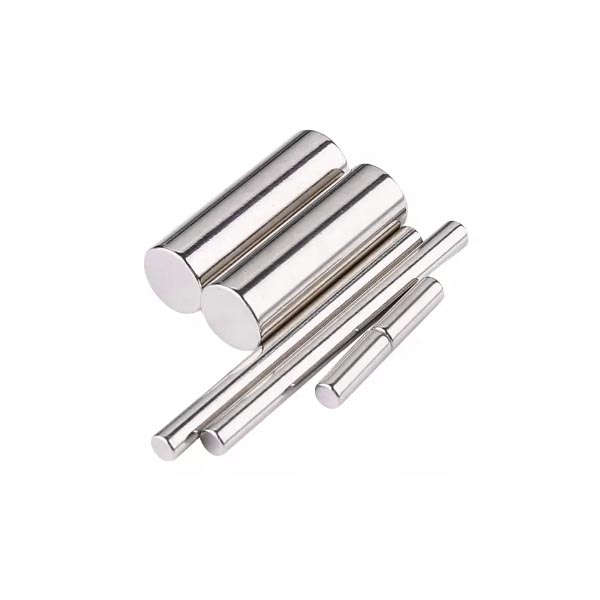
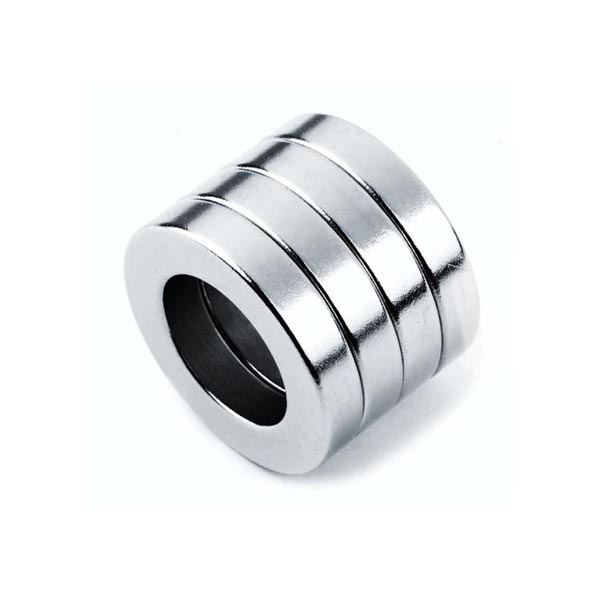
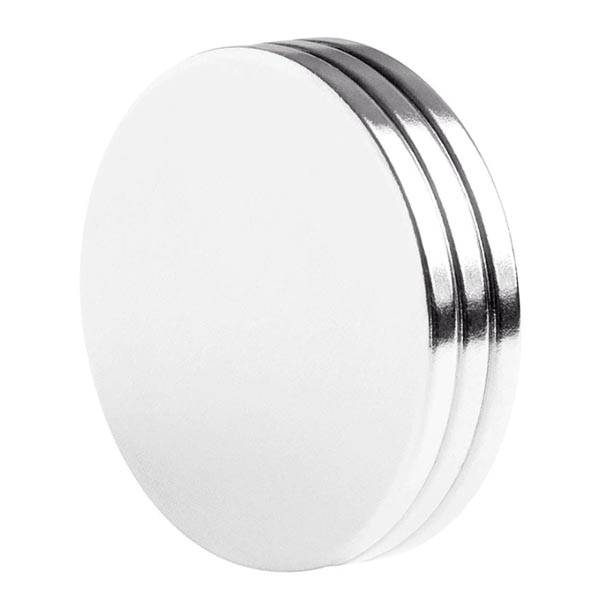
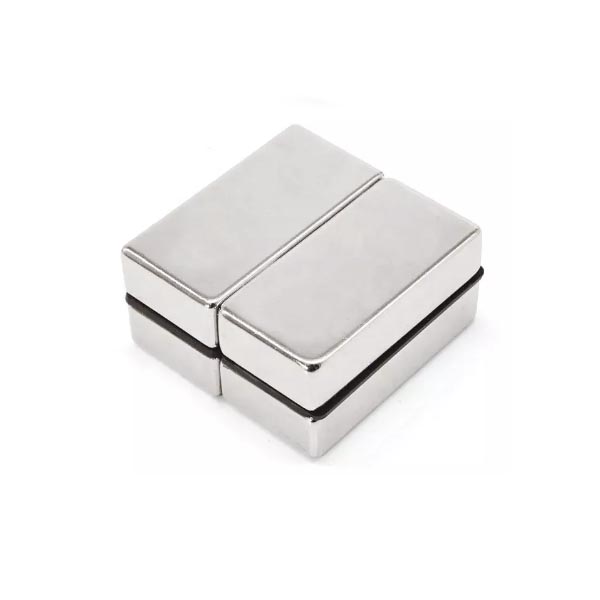
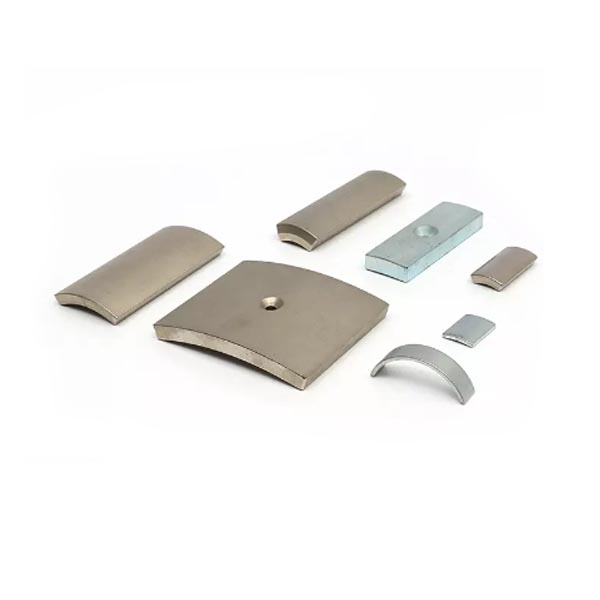
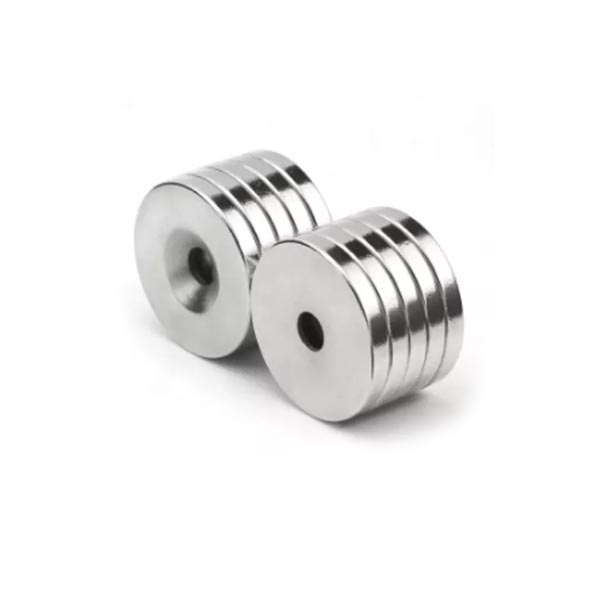
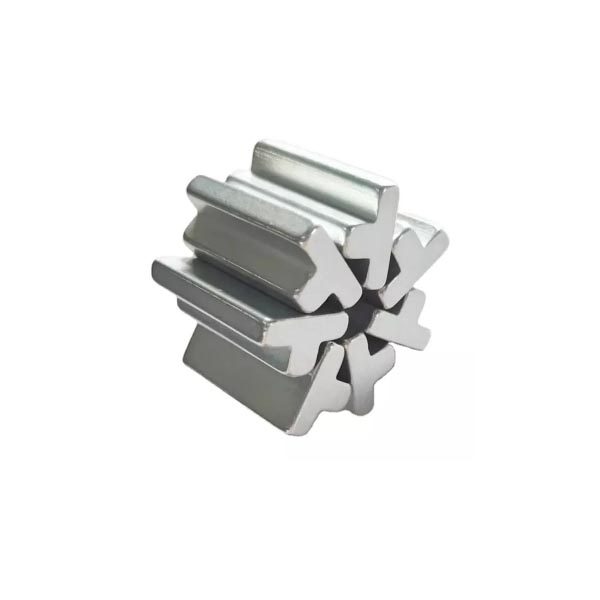
We can offer the OEM/ODM services of our products. The product can be customized according to your personalized requirements, including the size, Shape, performance, and coating. please offer your design documents or tell us your ideas and our R&D team will do the rest.
Other Types of Magnets



More Guides to Help You Choose U-Shaped Neodymium Magnets
Explore practical selection advice, manufacturer evaluation tips, and industrial application insights to make more informed decisions when sourcing U-shaped neodymium magnets.
How to Evaluate a U-Shaped Magnet Manufacturer
Learn what to look for when assessing a magnet manufacturer, including production capabilities, quality control, and support for custom requirements.
U-Shaped Neodymium Magnet Selection Guide
Understand the key factors behind magnet selection, from dimensions and magnetic performance to application requirements and custom specifications.
Industrial Applications of U-Shaped Neodymium Magnets
Discover potential industrial uses of U-shaped neodymium magnets and explore how their design can fit different equipment and manufacturing requirements.
Post time: Nov-06-2026