
Hidden Strength, Measurable Outcomes: Neodymium Magnets in Action
Consider a powerful handheld magnet you might have used. Now amplify that force to industrial capacity—this is where neodymium magnets, especially their larger counterparts, evolve from simple parts into fundamental system solutions.
Industrial Might: Where Giant Magnets Take Center Stage
In heavy industry, reliability trumps all. This is the domain of the giant monster neodymium magnet, engineered for endurance where failure is not an option.
Heavy-Duty Lifting and Handling: The giant lifting magnet stands as a cornerstone of industrial magnetic applications. These engineered solutions, frequently procured as giant neodymium magnets for sale, have fundamentally transformed material handling processes. By replacing complex mechanical rigging, they allow cranes to swiftly secure and move steel plates, beams, and scrap with zero power consumption. The real engineering lies in accounting for real-world surfaces—oily, painted, or uneven—which demands a calculated safety factor beyond the catalog's ideal pull force rating.
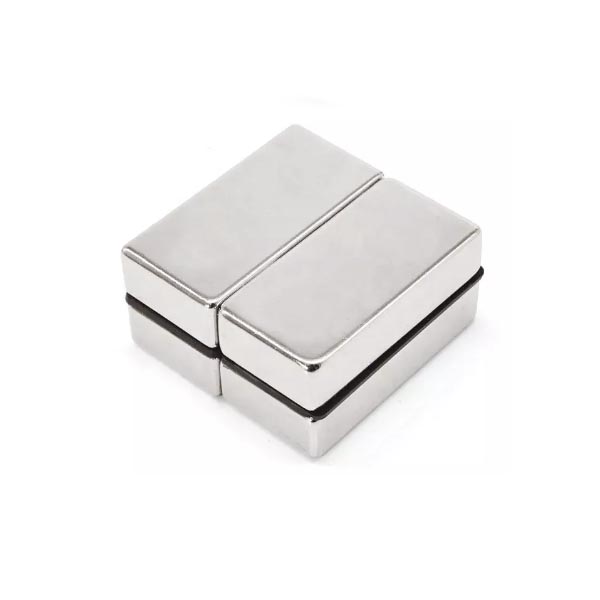
Unwavering Fixturing and Clamping: Precision work requires absolute stability. Here, arrays of large block magnets or custom ferrous assemblies act as immutable clamps. These magnets deliver unwavering stability in tasks ranging from aligning pipe sections for precision welding to immobilizing intricate fixtures during machining operations. This reliability drastically reduces operator-induced inaccuracies and significantly improves workplace safety. The incorporated handle is a fundamental safety component, not an accessory. It functions as an ergonomically engineered release mechanism, allowing for the controlled separation of the magnet and effectively eliminating the dangerous pinch hazards associated with handling exposed powerful neodymium surfaces.
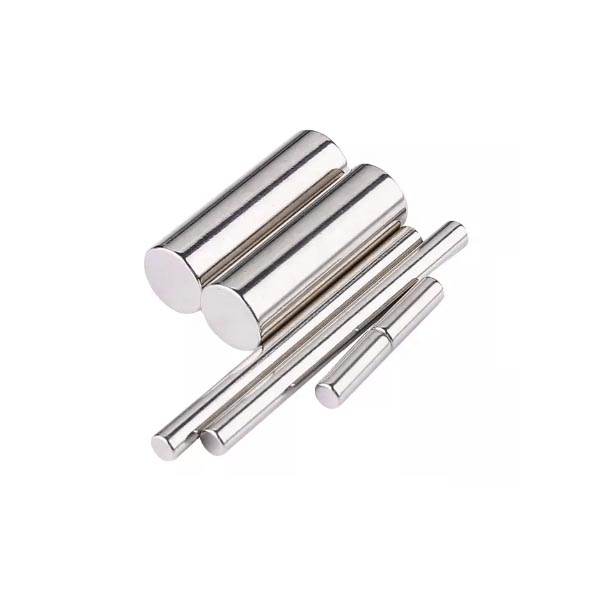
eparation and Purification: Within the chaotic streams of recycling and mining, order is imposed by magnetism. Powerful giant neodymium cylinder magnet rolls and overhead plates generate intense, focused magnetic fields that pluck ferrous metals from bulk materials. By safeguarding critical equipment further along the mining processing line and guaranteeing the cleanliness of recovered materials in recycling operations, these systems are essential for both operational integrity and output quality. To endure the severe wear and relentless physical impacts of such demanding settings, they require exceptionally resilient epoxy coatings and superior-grade materials in their construction.
Driving Green Technology: The Unseen Force of Modern Magnets
The transition to sustainable technology is intrinsically linked to advances in permanent magnet engineering.
Wind Power Generation: Modern wind turbine design exemplifies this evolution. The widespread adoption of direct-drive generators, which employ large-diameter segmented rings of neodymium arc magnets, eliminates the need for traditional gearboxes and their associated maintenance. The powerful, consistent field generated by these giant neodymium magnets allows for high-efficiency power generation at the lower rotational speeds typical of turbine blades. This reliability is particularly crucial for the challenging conditions of offshore wind farms.
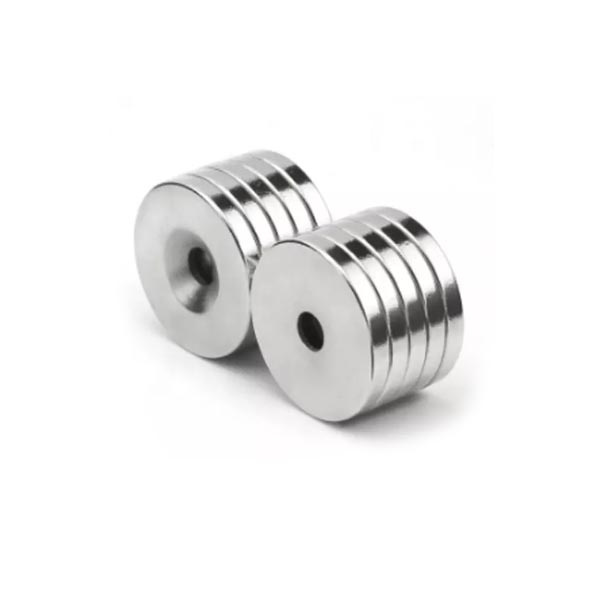
Electric Vehicle Systems: The high power density and efficiency that lie at the core of electric vehicle motors are made possible by rotors integrated with advanced NdFeB magnets—components absolutely vital for delivering instant torque. Beyond that, a vehicle’s operational smarts rely on a sophisticated sensor network. Precision disc magnets and ring magnets serve as foundational parts of these sensors, supplying critical data on key parameters like motor rotor position and battery system status. Together, they form the essential electronic backbone that guarantees both safety and dynamic driving performance.
Frontiers of Discovery: Specialized Research and Recovery
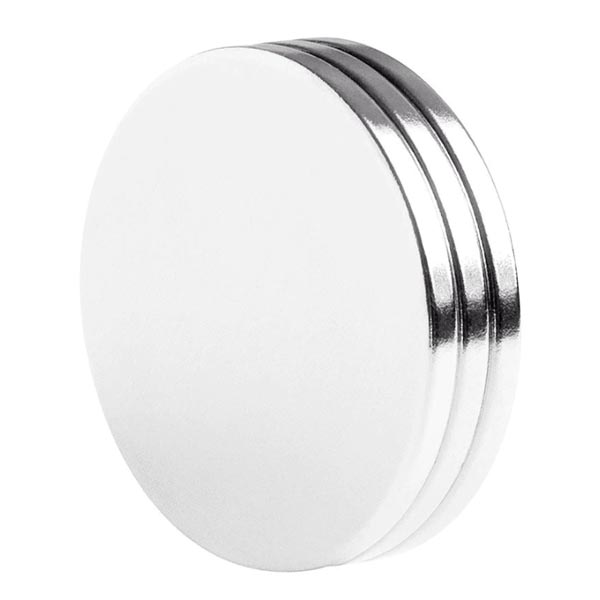
Advanced Scientific Research: Pioneering work in physics and materials science frequently depends on creating highly controlled magnetic environments. To meet these exacting requirements, scientists leverage bespoke systems engineered around high-strength giant neodymium magnets. A typical configuration might involve expansive arrays of disc magnets or similarly intricate setups, designed to generate the powerful and homogeneous magnetic fields essential for advanced studies, including magnetic levitation and high-precision spectroscopy. This tier of research almost invariably necessitates magnetization direction patterns that are custom-specified, as conventional, mass-produced magnetic parts lack this degree of tailored performance.
Marine and Recovery Operations: The popular fishing magnet hobby has a serious professional counterpart. Giant fishing magnets designed for salvage are essentially a protected monster magnet core with a robust lifting point. They are deployed to recover valuable equipment, historical objects, or environmental debris from underwater sites. Their effectiveness hinges on a marriage of extreme pull force and a corrosion defense system—such as a nickel-copper-nickel plating—capable of withstanding prolonged freshwater or saltwater immersion.
Navigating Practical Challenges: The Selection Imperative
Specifying the correct magnet requires a clear-eyed view of operational realities. Common oversights can lead to premature failure.
1. Heat Resistance: A Foundational Design Consideration A magnet's effective operational life is principally determined by its heat tolerance. Industry-standard neodymium grades, N42 and N52 among them, will suffer an irreversible decline in magnetic strength if consistently used at temperatures over 80°C (176°F). Therefore, for any application set in a high-heat environment—whether close to welding, inside an engine bay, or within a high-temperature plant—the specification of a thermally robust magnet is essential. Grades like AH and UH are explicitly engineered to perform under such intense thermal stress. Making the right selection for a high-temperature magnet from the earliest design stages is therefore a critical specification. This foresight is crucial for preventing untimely failure during use, which in turn avoids expensive operational stoppages and the significant costs of part replacements and repairs.
2. The Protective Shield: Beyond Just a Cosmetic Layer Treating a giant neodymium magnet as a long-lasting investment makes it clear that its coating is core to how it performs—not just a pretty add-on. Nickel plating works as a dependable, conductive base layer for everyday use. But when you’re dealing with tough conditions—moisture, scrapes, or chemical exposure—epoxy coating steps up with way better protection. For the harshest scenarios, like nonstop outdoor use or even being submerged, a triple-layer nickel-copper-nickel finish is what the industry relies on to keep magnets resistant to rust and physical wear over the long haul.
3. Performance in Practice: Merging Holding Power with Physical Resilience Choosing the right magnet requires looking beyond the maximum pull force rating. Top-tier grades such as N52 deliver remarkable magnetic strength, but this superior performance is paired with greater structural fragility. In actual use—where equipment may encounter jolts, constant vibration, or irregular pressure—a more durable outcome is frequently realized by specifying a larger magnet with a moderately lower grade, such as N45. This practical strategy generally yields a more resilient component, one that maintains dependable operation throughout its lifecycle and offers better overall return on investment.
4. Operational Safety Protocols: The immense forces involved are not to be underestimated. Mandatory practices include using non-ferrous tools for separation, instituting strict safe-distance storage protocols to prevent violent attraction, and keeping powerful magnets away from medical implants, data storage media, and electronic devices. In welding contexts, powerful magnetic fields must be kept at a distance to prevent dangerous arc deflection.
Final Perspective: Beyond Specification to Integration
Ultimately, a magnet's true "application" is measured by its seamless, reliable performance within a broader system. This distinction separates a part that simply matches a data sheet from one built to last on the job. Real success emerges from a collaborative exchange with your supplier—one that addresses not only magnetic power but also the complete context of operating conditions, physical stresses, and human interaction. The most valuable outcomes result from a partnership that provides not merely a giant neodymium magnet for sale, but a thoughtfully engineered response to your specific operational need.
Your Custom Neodymium Magnets Project
We can offer the OEM/ODM services of our products. The product can be customized according to your personalized requirements, including the size, Shape, performance, and coating. please offer your design documents or tell us your ideas and our R&D team will do the rest.
Other Types of Magnets





Post time: Dec-30-2025