
Principles and Protocols for Safety
Across countless industries, the arrival of large neodymium magnets has been a game-changer. Their ability to secure, lift, and manipulate hefty steel components with a relatively small footprint is unmatched. But as any seasoned foreman or shop manager will tell you, that raw power demands a specific kind of respect. The question isn't really if these magnets are safe; it's about what you need to know to make them safe in your hands. Drawing from direct involvement in specifying and testing these components for industrial clients, let's walk through the practical realities of using them without incident.
Getting to Know the Power Source
At their heart, these magnets represent a breakthrough in modern materials engineering—a proprietary alloy of neodymium, iron, and boron that generates an exceptionally concentrated magnetic field. It is this high-performance “energy product” that enables a small, heavy-duty disc to support loads of several hundred pounds. However, this intensity brings behaviors that differ from ordinary magnets: their pull is aggressive and immediate, their effective range is several inches to feet, and their physical form can be surprisingly fragile. The decisions made during specification—grade, coating, and any handling fixtures—are therefore critical safety choices, not just performance tweaks.
Navigating the Real-World Hazards
1. The Crush Hazard: More Than a Nip.
The most immediate danger is the sheer force of attraction. When a large magnet finds a steel surface or another magnet, it doesn't just connect—it slams home. This can trap anything in between with bone-crushing pressure.There’s a warehouse incident I recall clearly: a team used a 4-inch magnet to retrieve a fallen bracket. The magnet lunged toward an I-beam, caught a worker’s tool belt edge mid-movement, and pulled him violently into the structure—leaving him with bruised ribs. The lesson couldn’t be clearer: establish a strict clear zone around the magnet’s trajectory at all times. Additionally, clashing two powerful magnets can cause them to splinter like ceramic, scattering sharp, airborne fragments. This risk surges exponentially with magnets that are both higher-grade and more brittle.
2. The Brittleness Compromise
A prevalent misunderstanding is equating a higher "N" number with a better magnet. An N52 grade does offer maximum strength, but it sacrifices toughness. In dynamic environments—think assembly lines or construction—where drops or impacts are possible, this brittleness becomes a liability. We advised a metal fabrication shop that was constantly replacing shattered N52 discs used for holding sheet metal. By switching to a slightly thicker N45 grade, they maintained sufficient holding power while virtually eliminating catastrophic breakage. For many applications, optimal safety lies in selecting a grade that balances adequate strength with necessary durability.
3. The Unseen Field: Interference Issues
The strong magnetic field generated by a large neodymium magnet, while invisible, presents tangible risks. Its effects range from data loss on magnetic storage media and the demagnetization of access credentials to interference with precision instrumentation. A particular area of grave concern is its potential to adversely affect implantable medical devices, such as cardiac pacemakers and insulin infusion pumps. The magnetic field can potentially toggle these devices into a special mode or interfere with their operation. One facility we worked with now enforces a bright-yellow floor tape boundary to keep magnets a minimum of 10 feet from any electronics cabinet and requires medical clearance for staff handling them.
4. When Heat Undermines Strength
Every magnet has a thermal ceiling. For standard neodymium grades, sustained exposure above 80°C (176°F) begins a permanent loss of magnetic strength. In settings like welding bays, near engines, or on sun-baked job sites, this isn't merely a performance decline—it's a failure risk. A magnet weakened by heat can unexpectedly release its load. A client in automotive manufacturing discovered this when magnets used near a curing oven started dropping components. The solution was to specify "H" or "SH" grade magnets rated for 120°C or 150°C, a crucial step for high-temperature environments.
5.Corrosion: Undermining Magnet Integrity
An inherent weakness of neodymium magnets is their iron content, which leads to rust formation in the presence of moisture. This rust does not merely discolor the surface; it actively weakens the magnet from within, making sudden cracking and failure a real possibility. The sole defense against this is the protective coating. The widely used nickel plating has a critical flaw: it is very thin and easily breached by scratches, leaving the magnet exposed. This necessitates a more strategic choice for demanding applications outdoors, in wash-down areas, or near chemicals. In these cases, a heavy-duty epoxy coating or a multi-layer nickel-copper-nickel plating is the necessary safeguard. Real-world evidence is compelling: epoxy-protected magnets last for years in dampness, whereas their nickel-plated counterparts frequently fail within one season.
6. The Handle Factor
For magnets designed to be lifted by hand, the handle is a critical safety component. A poorly chosen material or a weak attachment point creates a direct hazard. Cheap plastic becomes brittle in cold temperatures. A handle attached with inadequate adhesive can detach under load. The best handles we've specified use overmolded rubber or TPE for a secure, non-slip grip even with oily gloves, and are secured with a combination of mechanical fastening and high-strength potting compound. Always test a sample with the gloves your team actually wears.
Building a Culture of Safe Handling
Safety with these tools is procedural. Here’s what that looks like on the ground:
Specify with the Environment in Mind: Work with your supplier to match the magnet to its actual working conditions. Discuss exposure to moisture, impact risk, temperature extremes, and required pull force. Often, the "best" magnet is the one optimally suited, not the strongest possible.
Mandate Core PPE: Cut-resistant gloves and safety glasses are non-negotiable for handling. They protect against both pinching injuries and fragments from a rare break.
Implement Smart Handling Practices:
Use non-magnetic spacers (wood, plastic) to keep magnets separated in storage.
For heavy magnets, employ a hoist or cart—don't manually carry them.
To separate magnets, slide them apart; never pry them.
Establish Secure Storage: Keep magnets in a dry place, attached to a steel "keeper" plate to contain their field. Store them well away from electronics, tool room computers, and any area where medical devices might be present.
Risk Mitigation 1: Pre-Use Inspection (Eliminate Faulty Tools) Make a visual inspection a mandatory pre-operation step to identify coating breaches or structural damage (chips, cracks). A damaged magnet is an unpredictable failure point and must be tagged and removed from circulation immediately.
Risk Mitigation 2: Foundational Training Move beyond basic instruction. Ensure training explains the principles of magnetic force, material brittleness, and interference. Users must understand the consequences of misuse to internalize safe handling protocols genuinely.
Critical Control for Custom Designs: Prototype Validation
Before finalizing a large custom order, mandate the production and testing of prototypes under actual or simulated service conditions (thermal, chemical, mechanical cycling). This is the most effective control to catch a fatal design flaw in a handle, joint, or coating specification.
A Tale of Two Workshops
Consider two similar machine shops. The first bought high-grade N52 magnets online based on pull force alone. Within months, several shattered from minor impacts, and one, with a thin plastic handle, detached during a lift, damaging a part. The second shop consulted a specialist. They chose a more durable N42 grade with an epoxy coating and a robust, overmolded handle. They trained their team and implemented the handling rules above. A year later, their magnets are all in service, with zero safety incidents. The difference wasn't luck—it was informed specification and disciplined practice.
The Final Word
With proper understanding and respect, large neodymium magnets are both profoundly useful and completely safe. A culture of safety is built on user responsibility: selecting the appropriate tool, properly equipping and training the team, and enforcing sensible protocols. This begins with partnering with a knowledgeable supplier and prioritizing safety in your initial specifications. When these principles are translated into daily routines, you enable your team to fully leverage magnetic power without compromising on the fundamental priority of getting everyone home safely.
This perspective is built on hands-on collaboration with engineers, safety officers, and procurement teams across multiple industries. It is intended as practical guidance. For any specific application, always consult and adhere to the detailed technical and safety information provided by your magnet manufacturer.
Your Custom Neodymium Magnets Project
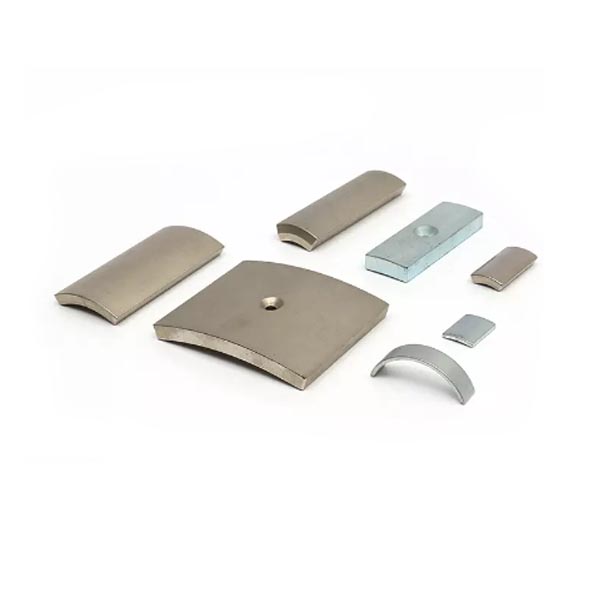
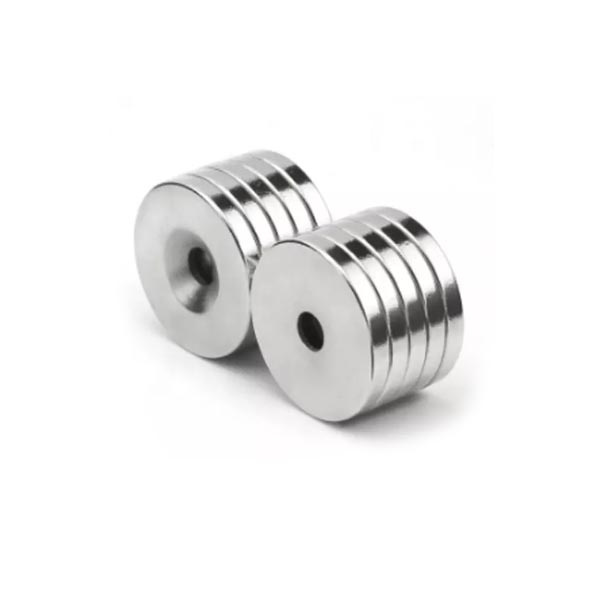
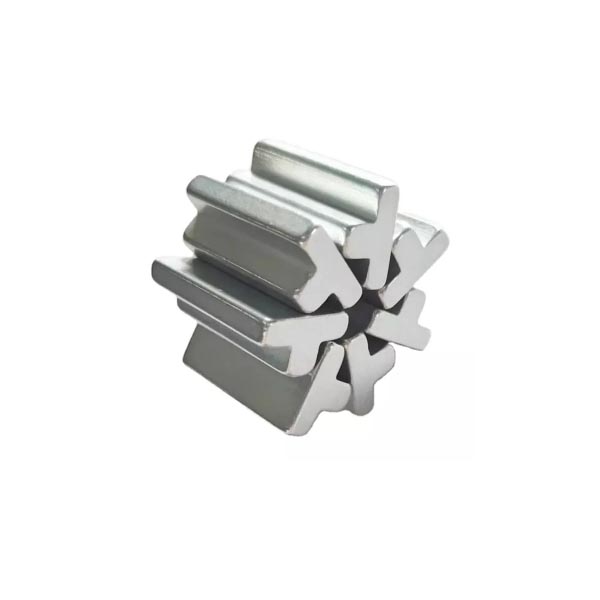
We can offer the OEM/ODM services of our products. The product can be customized according to your personalized requirements, including the size, Shape, performance, and coating. please offer your design documents or tell us your ideas and our R&D team will do the rest.
Other Types of Magnets



Post time: Dec-19-2025