
Let’s cut to the chase: if your design needs a material that clings tight to contoured metal—whether it’s automotive interior trim, dynamic retail displays, or factory jigs—off-the-shelf flexible magnetic sheeting often falls short.
The real savings lie in steering clear of the bottomless pit of a failed launch. The only reliable path is a mindset of skeptical, disciplined testing.
he Game-Changer: Why Flexible NdFeB Beats Ferrite
For years, “flexible magnet” meant one thing: ferrite. These ceramic-particle-in-rubber/vinyl blends work for static, low-force jobs—like holding a flyer on a fridge. But they’re not built for professional, curved-surface adhesion where failure isn’t an option.
At the professional level, this technology incorporates engineered neodymium (NdFeB) microparticles into flexible polymer substrates like PVC or specialty elastomers. This process delivers a leap in performance, not just a minor enhancement. Its standout feature is the exceptional holding power it achieves per millimeter of thickness. In practical terms, a strip just 0.6mm thick exhibits a powerful, persistent hold on a rough, upright steel surface—a scenario where a conventional 2mm ferrite magnet would fail to adhere. This performance leap grants designers the freedom to create elegant, low-profile applications that maintain a firm grip on curved and irregular shapes.
Navigating the Negotiation: 5 Essential Questions for Materials You Can Trust
A supplier’s listed specs should be viewed as a conversation starter, not a definitive guarantee of how the product will perform.
For a truly informed selection, set aside glossy promotional content and dig into these critical areas of assessment:
1. Require Proof, Not Promises, of Magnetic Strength. Vague terms like "super strong" are meaningless. You must obtain actual surface Gauss measurement certificates for the precise compound and thickness you're evaluating. A competent factory runs these tests in-house and should provide dated reports. A meaningful spec will state something like:Batch Certified: 680-720 Gauss surface field 0.75mm thickness. Don't hesitate to ask about their testing frequency and methodology across a production roll—it speaks volumes about their process control.
2. Audit Thickness Tolerance with the Precision of a Detail-Oriented Accountant. Suppliers are quick to list an average thickness—0.5mm, 1.0mm, and so on—but the real catch lies in the tolerance range. In a high-speed converting setup, a tolerance of ±0.12mm makes a massive difference compared to a tight ±0.04mm margin.
Inconsistent gauge will wreak havoc on automated die-cutting, kiss-cutting, and laminating lines, leading to jammed machines, adhesive issues, and staggering waste. One of our partners discovered this the hard way when variable thickness in a roll caused their precision-cut parts to have erratic adhesive bleed, forcing a post-production salvage operation.
3. Evaluate Durability Beyond a Simple Bend. Asking if it's "flexible" is too basic. You need two specific data points: the minimum safe dynamic bending radius (how tightly it can be rolled for storage without cracking) and, crucially, the interlayer adhesion or peel strength. The bond between the magnetic compound and its backing film is a common failure point, especially under thermal stress or prolonged tension. For an application on a curved vehicle panel exposed to sun and vibration, this data is non-negotiable.
4. Selecting the Base Material for Real-World Conditions
What dictates how flexible a magnetic sheet can be is first and foremost its core polymer base, and this base’s chemical formulation must be custom-engineered to endure the practical working scenarios the material will encounter during its service cycle.
Magnetic sheets crafted with PVC serve as an economical, all-purpose solution, offering a print-compatible surface paired with the robust durability required for regular, everyday applications.
When the sheet is subjected to demanding conditions—such as exposure to industrial-grade lubricants, fuel residues, various solvent formulations, ozone, or extreme temperature ranges spanning -40°C to 125°C—tougher material options are a must. TPE blends and synthetic rubber compounds fall into this category, as they maintain stable performance levels and prolong the product’s operational longevity.
For any outdoor installation use case, making sure the polymer includes tested UV stabilizers should be a top priority. This is not a universal feature across magnetic sheet offerings, but it plays a key role in avoiding cracking, material hardening, and color fading over long-term use. Don’t take its inclusion for granted; explicitly state your needs and check with your supplier to confirm that the UV stabilizers are present in the finished product.
5.Vet Production Line Consistency Rigorously. The primary factor distinguishing top-tier flexible magnets from inferior alternatives is how uniformly NdFeB powder is distributed throughout the polymer matrix. Uneven dispersion spawns localized weak spots, which in turn cause erratic performance across die-cut components from the same production batch. While pre-shipment lab testing for this trait isn’t feasible, you can evaluate a supplier’s technical prowess by diving into their compounding, mixing, and calendering workflows. A manufacturer that can walk you through the ins and outs of their twin-screw extruders and precision rolling mills is almost always dedicated to churning out quality goods.
Probe for Production Line Homogeneity. The single biggest distinction between a premium flexible magnet and a mediocre one is the uniformity of NdFeB powder distribution in the polymer. Poor dispersion creates isolated weak spots, resulting in inconsistent functionality among die-cut parts from the same batch. Although pre-shipment lab testing for this is not feasible, you can gauge a supplier’s technical maturity by asking about their compounding, mixing, and calendering workflows. A manufacturer that can detail their deployment of twin-screw extruders and precision rolling mills is generally dedicated to quality manufacturing.
Clarify your project’s needs—there’s no need to overengineer with a fully custom compound when a modified standard grade meets all your expectations.
Build a Partnership, Not Just Place an Order
The best sourcing outcomes treat Chinese factories as collaborative engineering resources—not just vendors:
Demand Real Magnetic Numbers, Not Marketing Talk. Words like "high power" are useless. What you need is a hardcopy Gauss report for the exact material grade and thickness you plan to buy. A serious factory has the tools to measure this and should provide a certificate. Look for a line like, "Tested Surface Field: 650-750 Gauss at 0.8mm." Go a step further: ask if they test in the middle and edges of a production run. Their answer tells you if they check for consistency or just spot-check.
Be Obsessive About Thickness Variation. Suppliers love to advertise "0.5mm thickness!" But the real question is: how much does it vary? A tolerance of ±0.10mm is sloppy; ±0.03mm is precise. In production, inconsistent thickness is a nightmare. It causes misfeeds in automatic cutters, uneven glue lines, and misaligned laminations. We once had a client's entire batch of die-cut shapes ruined because the magnetic sheet thickness wandered, making the adhesive layer inconsistent. The waste was staggering.
Test What Happens When You Bend and Pull. "Flexible" is not enough. Get two numbers: First, the minimum bending radius—how tight can you coil it before it kinks or cracks? Second, and more important, the peel strength. How firmly is the magnetic layer bonded to its backing? This bond fails more often than you'd think, especially with heat, cold, or constant flexing. If you're sticking this to a golf cart body that bakes in the sun, you must know this spec.
Choose the Plastic Base for Your Specific Hell. The flexibility comes from the polymer, and not all polymers are equal. Standard PVC is good for most indoor jobs and takes print well. But if your part will see grease, solvents, ozone, or wild temperature swings (from -40°C to over 100°C), you need tougher stuff like thermoplastic elastomers (TPE). For outdoor use, the polymer must contain UV stabilizers. Never assume it does; always specify.
Ask About Mixing. It Reveals Everything. The biggest secret in this industry is powder dispersion. If the NdFeB powder isn't mixed perfectly into the plastic, you get weak spots. Pieces cut from the same sheet will have different strengths. You can't easily test this yourself, so ask the supplier: "Tell me about your mixing process." Do they use high-shear compounders? Precision calendering rolls? A tech manager who can explain this in detail usually runs a quality-focused shop.
Evidence-Based Insights: Addressing Key Buyer Concerns
The following responses are informed by direct field experience and supplier engagements, not theoretical data sheets.
Q: How should I think about its strength versus solid magnets?
Think in terms of application, not raw power. A sintered NdFeB magnet acts as a concentrated force anchor—ideal for lifting or clamping. This flexible sheet functions as a wide-area bonding layer, delivering significant holding strength across its entire surface to conform and adhere. It’s designed for secure mounting, not heavy-duty suspension.
Q: What about fabrication and finishing?
This material is manufactured for downstream processing. It is well-suited for precision die-cutting and is compatible with common printing methods like screen, digital, and pad printing. The essential step is a material compatibility and flex test with your specific inks, coatings, or laminates to prevent cracking or delamination during use.
Q: What are typical order thresholds?
Order volumes depend on the level of customization:
A new, proprietary compound typically requires a minimum of 5,000 square meters.
Modifying an existing grade (e.g., custom dimensions, adhesive backing, or printing) often has a lower threshold, frequently between 500 and 1,500 square meters.
The first step should always be to evaluate a production-equivalent sample.
Q: What operational precautions are necessary?
While safer to handle than dense block magnets, prudent measures include:
Storing rolls away from items with magnetic stripes (credit/access cards) or mechanical watches.
Using sharp, maintained cutting tools and considering dust control during slitting or die-cutting.
Maintaining distance from electronic devices and data storage media during fabrication and storage.
Q: What is its thermal operating limit?
The magnetic NdFeB particles maintain their properties at high temperatures, but the polymer matrix is the weak link. Standard binders (PVC/rubber) begin to soften and degrade around 80°C (176°F). For applications exposed to elevated temperatures—such as near engines, machinery, or in direct, sustained sunlight—a high-temperature polymer variant is mandatory. This specification typically increases material cost by 15-30% but is fundamental for reliable performance.
Final Perspective
Securing this high-performance material effectively moves the discussion beyond arm's-length price haggling to a thorough vetting process. Success depends on engaging your supplier as a collaborative engineering resource, performing exhaustive real-world testing on prototypes under actual use conditions, and demanding comprehensive, verified performance data. This meticulous methodology elevates your acquisition from a basic bulk purchase to a performance-certified integrated solution. In the end, dedicating resources to this front-end technical diligence is the most reliable way to safeguard your product's quality and avert the exponentially higher expenses of post-launch failures.
Your Custom Neodymium Magnets Project
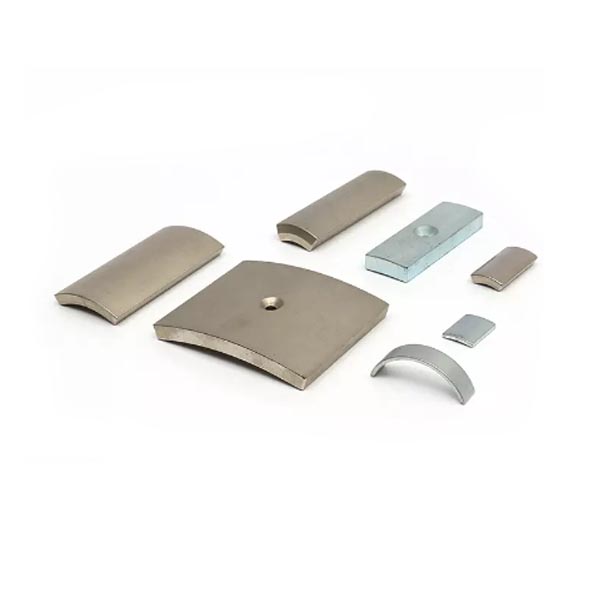
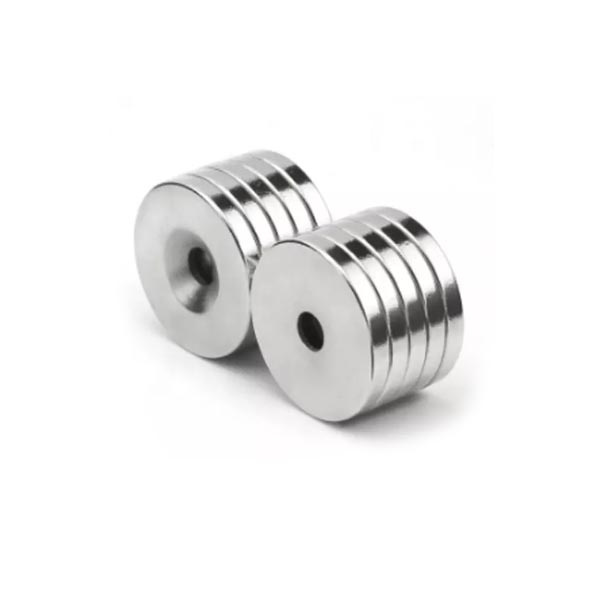
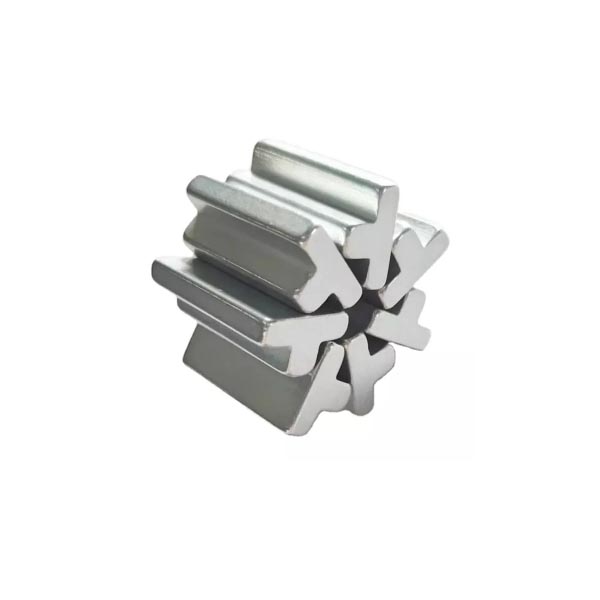
We can offer the OEM/ODM services of our products. The product can be customized according to your personalized requirements, including the size, Shape, performance, and coating. please offer your design documents or tell us your ideas and our R&D team will do the rest.
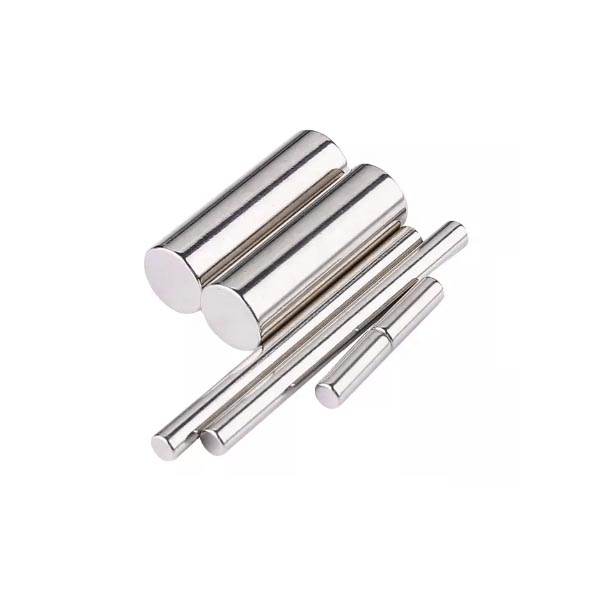
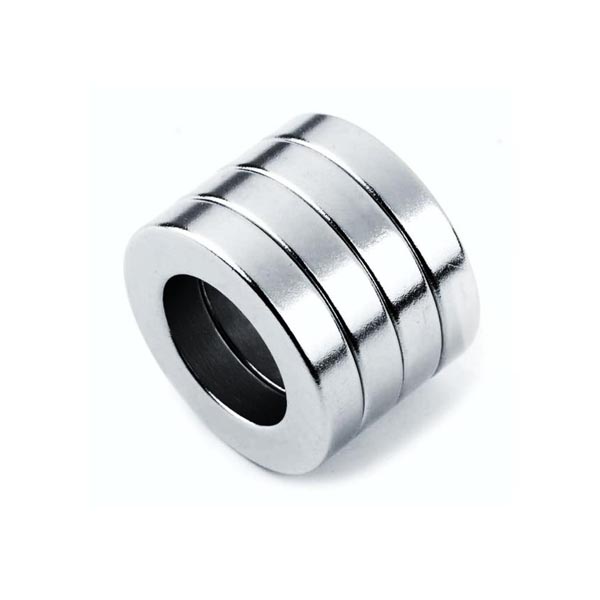
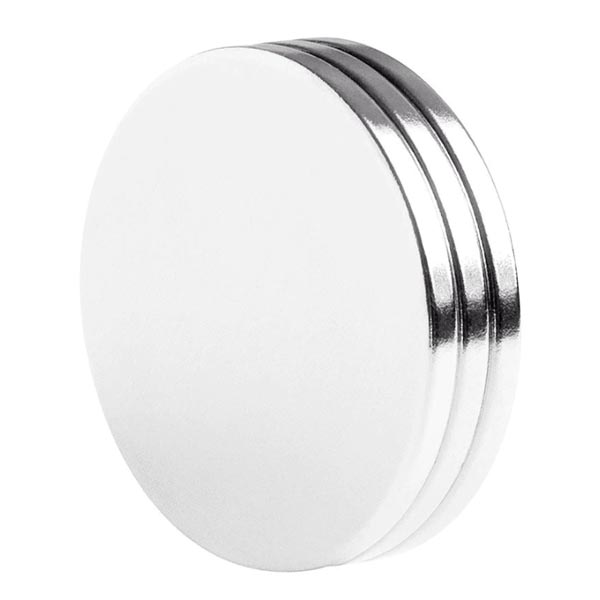
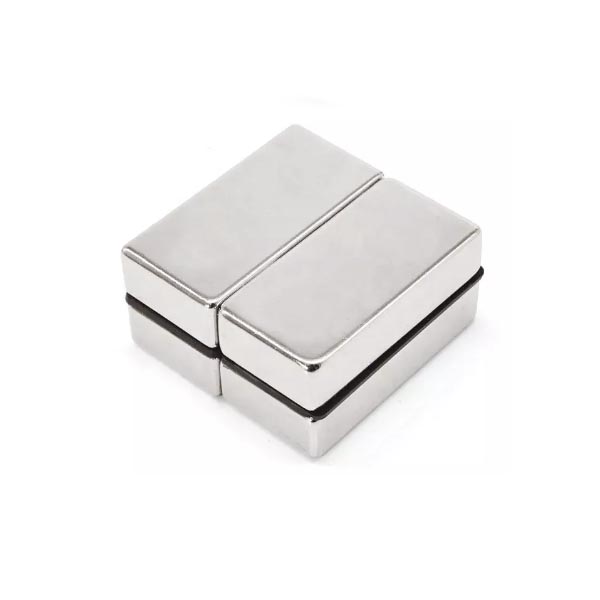
Other Types of Magnets



Post time: Jan-22-2026