
Why the Shape of a Magnet Matters More Than You Think
It’s Not Just About Strength – It’s About Fit
You might think a magnet is a magnet — as long as it’s strong, it’ll work. But I’ve seen too many projects fail because someone picked the wrong shape. A client once ordered high-grade disc magnets for a sleek consumer electronics product. They were strong, sure. But the thickness caused the housing to bulge, and the curved edges made alignment tricky. A flat neodymium magnet would’ve saved that design.
Real-World Failures That Could Have Been Avoided
Another time, a manufacturer used standard disc magnets in a vibrating machinery application. Within weeks, the magnets had shifted, causing misalignment and failure. Flat magnets, with their larger surface area and lower profile, stayed put. The difference wasn’t grade or coating — it was shape.
What Exactly Are We Comparing?
What Is a Flat Neodymium Magnet?
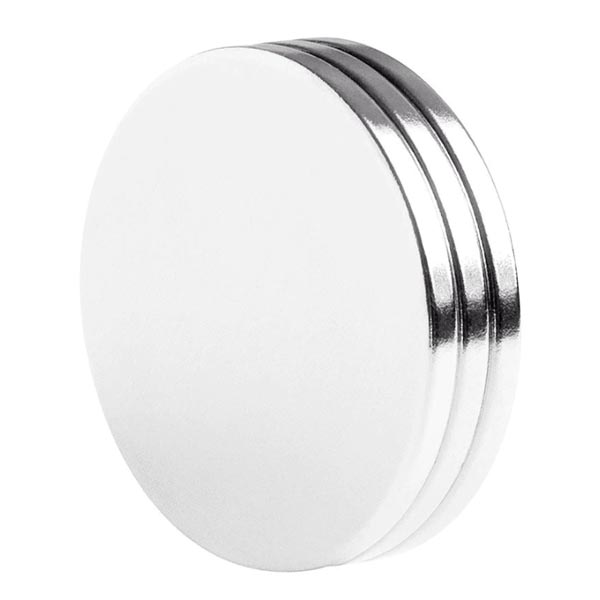
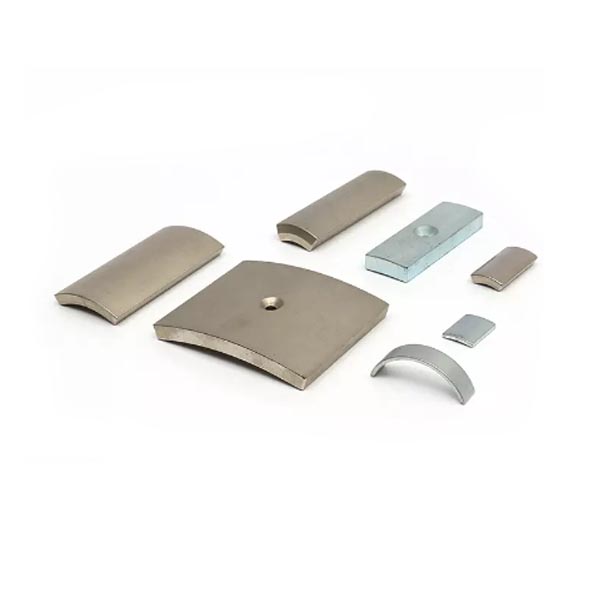
Flat neodymium magnet is a neodymium-iron-boron permanent magnet with an axial dimension (thickness) much smaller than the other two directions (diameter or length), and has a flat or thin sheet shape. They’re often used where a low profile and wide magnetic field are needed — think inside phones, sensors, or mounting systems where space is limited.
What Is a Regular Disc Magnet?
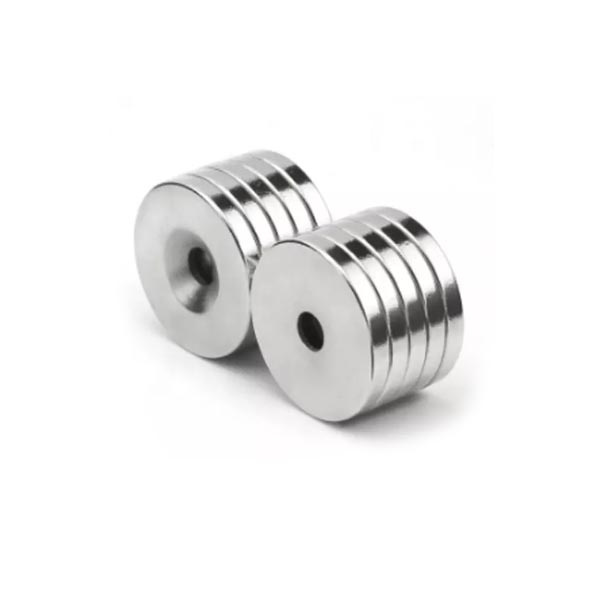
A regular disc magnet is what most people picture: a cylindrical magnet with a diameter greater than its height. It is one of the most common and widely used forms of magnets in daily life, with applications in adsorption, fixation, sensing, speakers, DIY, and more. Their shape focuses the magnetic field differently than a flat magnet.
Key Differences That Actually Impact Performance
Magnetic Strength and Field Distribution
While both can be made from neodymium, the shape affects how the magnetic field is distributed. Disc magnets often have a more concentrated pull point — great for direct contact. Flat magnets spread the magnetic force over a wider area, which can be better for alignment and stability.
Physical Profile and Application Fit
This is the big one. Flat magnets are slim and can be embedded into thin assemblies. Disc magnets, especially thicker ones, need more depth. If you’re designing something slim — like a magnetic name badge or a tablet mount — flat magnets are usually the way to go.
Durability and Resistance to Chipping
Disc magnets, with their edges, are more prone to chipping if mishandled. Flat magnets, especially with chamfered edges, tend to be more robust in high-handling or automated assembly environments.
Ease of Installation and Mounting Options
Flat magnets can be easily adhered with double-sided tape or fitted into slots. Disc magnets often require pockets or recesses. For quick prototyping or flat surfaces, flat magnets win for ease.
When to Choose a Flat Neodymium Magnet
Ideal Use Cases
- Electronic enclosures
- Magnetic closures on slim devices
- Sensor mounting in tight spaces
- Applications requiring surface-mounted solutions
Limitations You Should Know
Flat magnets aren’t always the strongest per unit volume. If you need extreme pull force in a small footprint, a thicker disc might be better.
When a Regular Disc Magnet Is the Better Choice
Where Disc Magnets Excel
- High pull force applications
- Where a focused magnetic point is needed
- Through-hole or pot mounting setups
- General-purpose uses where height isn’t a constraint
Common Pitfalls with Disc Magnets
They can roll if not seated. They’re not ideal for very thin assemblies. And if the surface isn’t flat, contact — and holding force — can be reduced.
Real-World Scenarios: Which Magnet Performed Better?
Case 1: Mounting Sensors in Tight Spaces
A client needed to mount Hall effect sensors inside a motor housing. Disc magnets took up too much space and caused interference. Switching to flat neodymium magnets improved alignment and saved 3mm of depth.
Case 2: High-Vibration Environments
In a automotive application, disc magnets loosened over time due to vibration. Flat magnets, with adhesive backing and larger surface contact, remained secure.
The Bulk Order Reality Check
Prototype Like Your Business Depends On It
We always order samples from multiple suppliers. Test them to destruction. Leave them outside. Soak them in whatever fluids they'll encounter. The few hundred dollars you spend on testing might save you from a five-figure mistake.
Find a Partner, Not Just a Supplier
The good manufacturers? They ask questions. They want to know about your application, your environment, your workers. The great ones? They'll tell you when you're about to make a mistake.
√Quality Control Isn't Optional
√For bulk orders, we specify:
√How many units get pull-tested
√Required coating thickness
√Dimensional checks per batch
If they balk at these requirements, walk away.
FAQs: Flat Neodymium Magnets vs Disc Magnets
Can I use a disc magnet in place of a flat magnet?
Sometimes, but not always. The mounting and magnetic field distribution differ. Select based on actual application testing.
Which magnet is stronger for the same size?
Strength depends on grade and size. Generally, for the same volume, a disc may have a stronger point pull, but a flat magnet offers better surface grip.
Are flat magnets more expensive?
They can be, due to more complex cutting processes. But for high-volume orders, the cost difference is often minimal.
How do temperature ratings compare?
Temperature resistance depends on the neodymium grade, not the shape. Both are available in standard and high-temperature versions.
Can these magnets be customized in bulk?
Yes. Both types can be customized in size, coating, and grading.From small-scale prototype production to large-scale orders.
Your Custom Neodymium Magnets Project
We can offer the OEM/ODM services of our products. The product can be customized according to your personalized requirements, including the size, Shape, performance, and coating. please offer your design documents or tell us your ideas and our R&D team will do the rest.
Other Types of Magnets



Post time: Sep-29-2025