
Horseshoe Magnet vs. U-Shaped Magnet: What's the difference ?
In short, all horseshoe magnets are U-shaped magnets, but not all U-shaped magnets are horseshoe shaped magnets. Horseshoe shaped magnet "is the most common and optimized form of" U-shaped magnet ". In practical applications, people often mix the two, but upon closer examination, there are subtle but significant differences in their design and purpose.
What Is a Horseshoe Magnet?
A horseshoe shaped magnet is actually bending a bar magnet into a U-shape. This shape enhances magnetic force by directing the magnetic poles in the same direction. Horseshoe shaped magnets were originally designed to replace bar magnets and later became a common symbol of magnets.
Differences from traditional AlNiCo horseshoe magnets
Neodymium horseshoe magnets have stronger attraction and smaller volume than traditional AlNiCo horseshoe magnets.
Main features
This is its most intuitive feature. It is a specific and optimized design of U-shaped magnets, whose shape is more similar to a horseshoe (a metal sheet designed to protect a horseshoe).
What Is a U-Shaped Magnet?
Generally speaking, a U-shaped magnet refers to any magnet bent into a "U" shape, usually made of stronger materials such as neodymium. In industrial environments, it typically means more robust and application specific design.
Material selection: Focused on U-shaped neodymium magnets
Because its design enables better control of magnetic fields, it is mainly used in technology and mechanical systems that require very high strength.
Core advantages compared to traditional design
Due to the excellent performance consistency of U-shaped magnets, they are highly suitable for applications with strict precision requirements.
The main difference between horseshoe magnets and U-shaped magnets
Although the two are often used interchangeably, there are subtle differences in their names:
Origin of Naming
As its name suggest,a horseshoe shaped magnet resembles a horseshoe that its arms are generally not completely parallel; The "U-shaped magnet" focuses more on the geometric description of the product, emphasizing its shape like the letter "U", and the range of forms included in the "U-shaped magnet" is broader.
Design Details
Although both are curved, horseshoe shaped magnets are usually designed to be more rounded and thick, just like real horseshoes, with parallel or slightly inward curved ends. Compared to horseshoe shaped magnets, U-shaped magnets have more common curves and more flexible arm designs, and are usually made with mounting holes or grooves.
Magnetic Strength and Field Distribution
A horseshoe shaped magnet, with its specific shape (such as slightly open arms that help guide the magnetic field) and frequently used pole shoes, can generate a stronger magnetic field and greater suction force in a specific area between the two poles (working air gap) than a regular U-shaped magnet of the same size. Its design makes it more efficient in converting magnetic energy into external effective work. For U-shaped magnets, due to its broad definition, a simply curved U-shaped magnet can generate a strong magnetic field between two poles, but it may not be the optimal design.
Why Choose Neodymium Horseshoe Magnet?
If you need a magnet that is both sturdy and recognizable, neodymium horseshoe magnets may be the right choice. These magnets combine classic forms with modern magnetic materials, providing excellent tensile strength in a compact design. They are very suitable for applications where visual recognition is important (such as teaching or demonstration) but performance cannot be affected.
The Bulk Order Reality Check
Prototype Like Your Business Depends On It
We always order samples from multiple suppliers. Test them to destruction. Leave them outside. Soak them in whatever fluids they'll encounter. The few hundred dollars you spend on testing might save you from a five-figure mistake.
Find a Partner, Not Just a Supplier
The good manufacturers? They ask questions. They want to know about your application, your environment, your workers. The great ones? They'll tell you when you're about to make a mistake.
√Quality Control Isn't Optional
√For bulk orders, we specify:
√How many units get pull-tested
√Required coating thickness
√Dimensional checks per batch
If they balk at these requirements, walk away.
Real Questions from the Field(FAQs)
"How custom can we really get?"
If you're ordering thousands, almost anything's possible. We've done custom colors, logos, even shapes specific to particular tools. The mold cost gets spread across the order.
"What's the real cost difference between grades?"
Typically 20-40% more for higher grades, but you also get more brittleness. Sometimes, going slightly larger with a lower grade is the smarter move.
"How hot is too hot?"
If your environment gets above 80°C (176°F), you need high-temp grades. Better to specify this upfront than replace magnets later.
"What's the minimum order?"
Most good shops want 2,000-5,000 pieces minimum for custom work. Some will work with smaller quantities using modified stock handles.
"Any safety issues we might miss?"
Two big ones:
Keep them away from welding equipment - they can arc and cause damage
Storage matters - we've seen them wipe security keycards from three feet away
Your Custom Neodymium Magnets Project
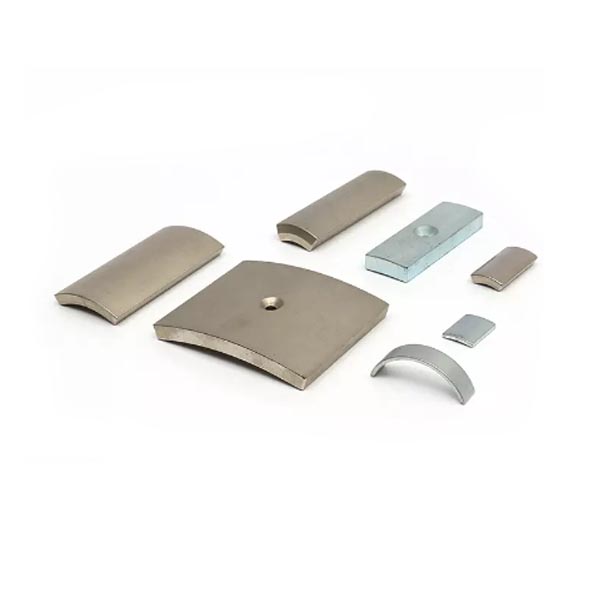
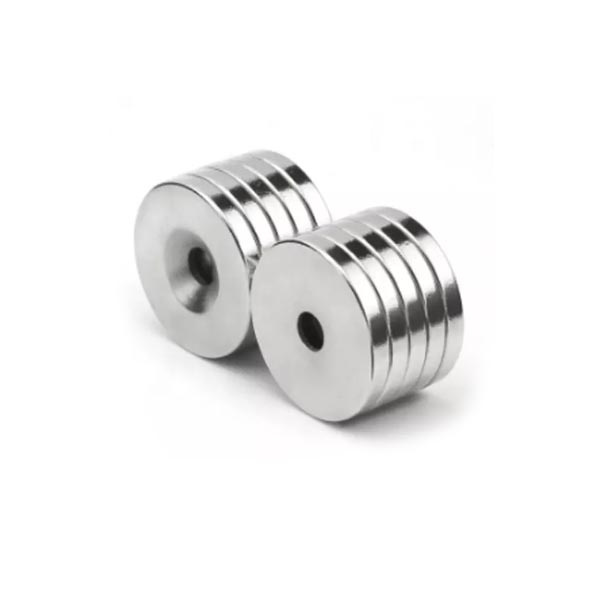
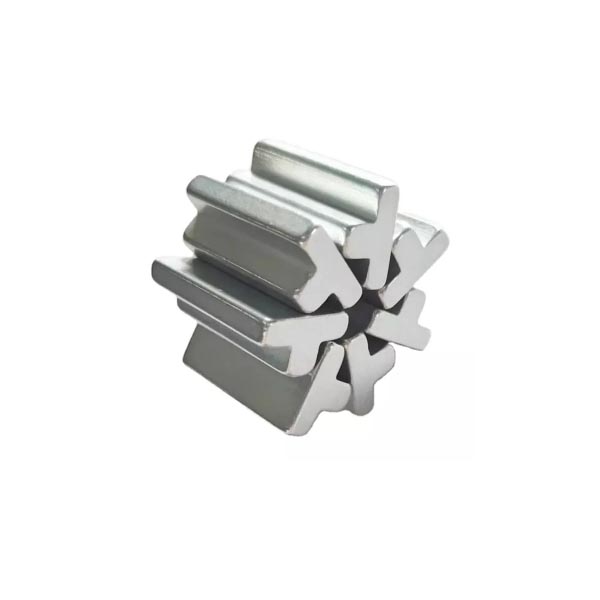
We can offer the OEM/ODM services of our products. The product can be customized according to your personalized requirements, including the size, Shape, performance, and coating. please offer your design documents or tell us your ideas and our R&D team will do the rest.
Other Types of Magnets



Post time: Sep-29-2025