
How to calculate pull force?
Theoretically: The suction force of neodymium magnet with hook is roughly (surface magnetic strength squared × pole area) divided by (2 × vacuum permeability). The stronger the surface magnetism and the larger the area, the stronger the suction.
In practice: You have to knock it down a notch. Whether the object being attracted is a hunk of iron, how smooth its surface is, the distance between them, and how high the temperature is—all these can weaken the pull force. If you need an accurate number, testing it yourself is most reliable.
What to look for when selecting?
Scenario: For factory use, pick ones that can take a beating; for hanging towels at home, go for small and safe ones; for high-temperature or humid places, choose rust-resistant and durable ones.
Load capacity: Light loads (≤5kg) can use any small one; medium loads (5-10kg) should be neodymium-iron-boron; heavy loads (>10kg) need industrial-grade ones—remember to leave a 20%-30% safety margin.
Parameters: Check the marked maximum load. Larger magnets are generally stronger. Prioritize reliable brands.
Summary
Don’t fixate on formulas when calculating pull force—real-world conditions have a big impact. When selecting, first consider where it will be used and how heavy the load is, then check the parameters and quality. That’s basically foolproof.
Your Custom Neodymium Magnets Project
We can offer the OEM/ODM services of our products. The product can be customized according to your personalized requirements, including the size, Shape, performance, and coating. please offer your design documents or tell us your ideas and our R&D team will do the rest.
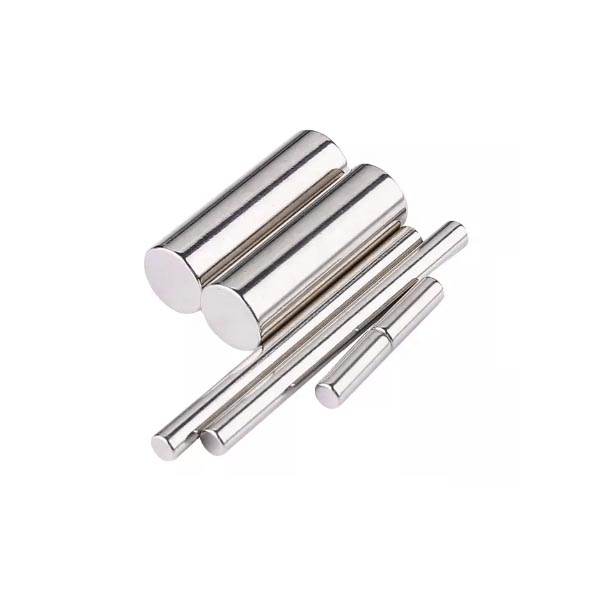
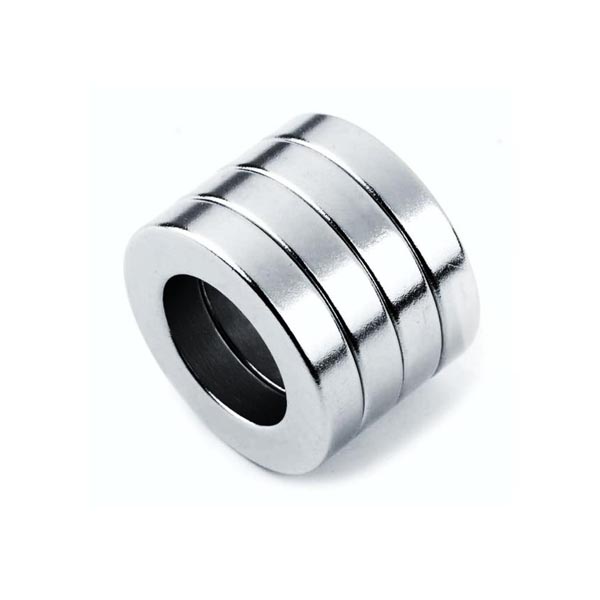
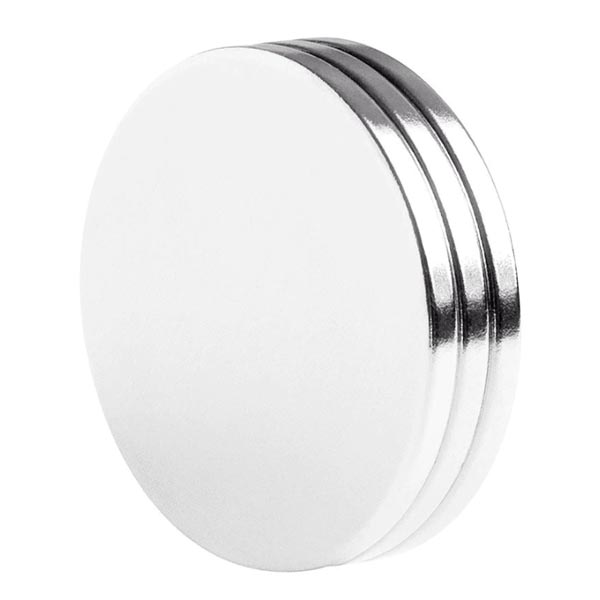
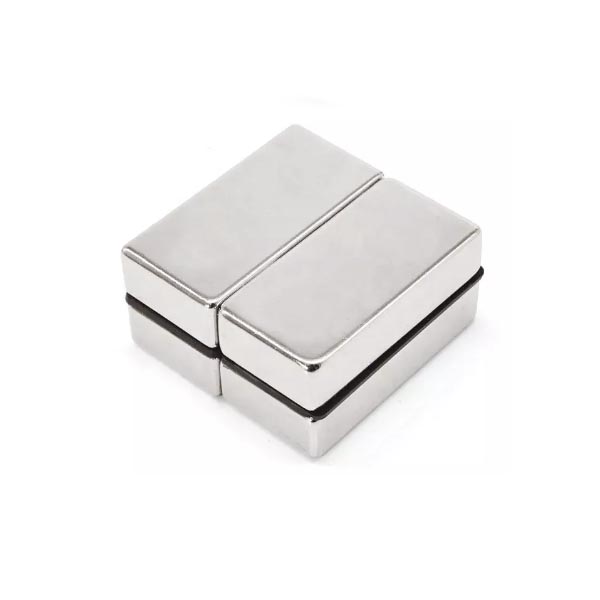
Other Types of Magnets



Post time: Aug-11-2025