
1. N35-N40: "Gentle Guardians" for Small Items – Sufficient and No Waste
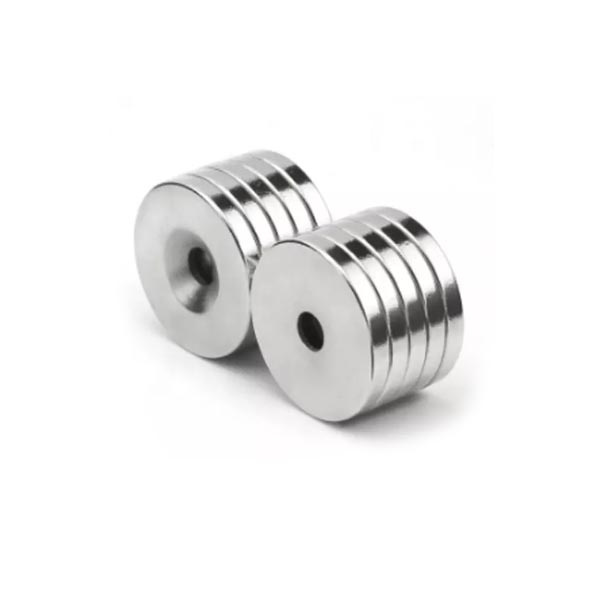
Threaded neodymium magnets from N35 to N40 are of the "gentle type" – their magnetic force is not top-notch, but they are more than enough for lightweight small items.
The magnetic force of N35 is sufficient to firmly fix them on circuit boards. Paired with fine threads like M2 or M3, they can be screwed in without taking up much space and won't interfere with surrounding electronic components due to overly strong magnetism. If replaced with N50, you might have to pry them off with a screwdriver, which could easily damage the parts.
DIY enthusiasts also love this grade of magnets. For making a desktop magnetic storage box, using N38 threaded magnets as fasteners can hold things securely while being easy to open.
2. N35-N40 are just right in these situations – there's no need for super-strong magnetic force; as long as they can ensure proper fixation and smooth operation, choosing a higher grade is simply a waste of money.
3. N42-N48: "Reliable Workhorses" for Medium Loads – Stability First
Going up a level, threaded neodymium magnets from N42 to N48 are "powerhouses" – they have strong enough magnetic force and good toughness, specially handling various medium-load tasks, and are widely used in industrial and automotive fields.
Accessories for drive motors in cars and magnetic components for seat adjustment often use N45 threaded magnets. Although these components are not particularly heavy, they need to withstand vibrations for a long time, so the magnetic force must be stable. The magnetic force of N45 can firmly fix the parts without being as "domineering" as N50, which might affect the operating accuracy of the motor. Paired with M5 or M6 threads, when installed in the engine compartment, their oil resistance and temperature difference resistance are sufficient, so you don't have to worry about loosening all the time.
In industrial equipment, N48 is very suitable for magnetic fixers of conveyor belts and part fasteners of small robotic arms. The parts in these places usually weigh a few hundred grams to one kilogram, and the magnetic force of N48 can hold them steadily, even if the equipment shakes slightly during operation, they won't fall off. Moreover, the temperature resistance of this grade of magnets is better than that of higher grades. In workshop environments with temperatures between 50-80℃, the magnetic force decays slowly, and they can last for three to five years without problems.
Precision components of medical devices also use them: for example, N42 threaded magnets are suitable for the magnetic valves controlling the flow of infusion pumps. Their magnetic force is uniform and stable, won't affect the accuracy of the equipment due to magnetic fluctuations, and with the option of stainless steel plating, they are resistant to corrosion by disinfectants, meeting the hygiene requirements of medical scenarios.
4. N50-N52: "Powerhouses" for Heavy Loads – Only Valuable When Used Correctly
Threaded neodymium magnets from N50 to N52 are "strongmen" – they have the strongest magnetic force among these grades, but they are also "temperamental": brittle, expensive, and particularly afraid of high temperatures. They are only worth using in key high-demand scenarios.
Heavy industrial lifting equipment relies on N52. For example, magnetic lifting tools in factories use threaded N52 magnets fixed on the lifting arm, which can firmly hold steel plates weighing several kilograms, even if they shake in the air, they won't fall off. However, special care must be taken during installation: do not hit them with a hammer, and when screwing the threads, apply force slowly, otherwise they are easy to crack.
Large motor rotors of new energy equipment also use N50 threaded magnets. These places need super-strong magnetic force to ensure energy conversion efficiency, and the magnetic force of N50 can just meet the demand, but it must be matched with heat dissipation design – because its magnetic force decays much faster than N35 when the temperature exceeds 80℃, so proper cooling must be done, otherwise it will "lose strength" soon.
In some special scenarios, such as magnetic seals for deep-sea detection equipment, N52 must be used. The pressure of seawater is high, so the fixation of parts must be foolproof. The strong magnetic force of N52 can ensure that the seals fit tightly, and with special plating to resist seawater corrosion, they can work in extreme environments.
Three "Pitfalls to Avoid" When Choosing Grades – Must-Know for Beginners
Finally, here are some practical tips: when choosing the grade of threaded neodymium magnets, don't just look at the numbers; first ask yourself three questions:
1. Most parts are sufficient with N35; for a small number of medium-sized parts, N45 is reliable; for heavy parts over one kilogram, then consider N50 or above.
2. N35 is more durable than N52; for example, for machines by the seaside, N40 with stainless steel plating is more rust-resistant than N52.
3. "Is installation troublesome?" For manual installation and small-batch assembly, choose N35-N45, which are not easy to break; for mechanical automated installation that can precisely control the force, then consider N50-N52.
The core of choosing the grade of threaded neodymium magnets is "matching" – making the magnet's magnetic force, toughness, and price just meet the needs of the application scenario. N35 has its own uses, and N52 has its own value. When chosen correctly, they are all reliable helpers.
Your Custom Neodymium Magnets Project
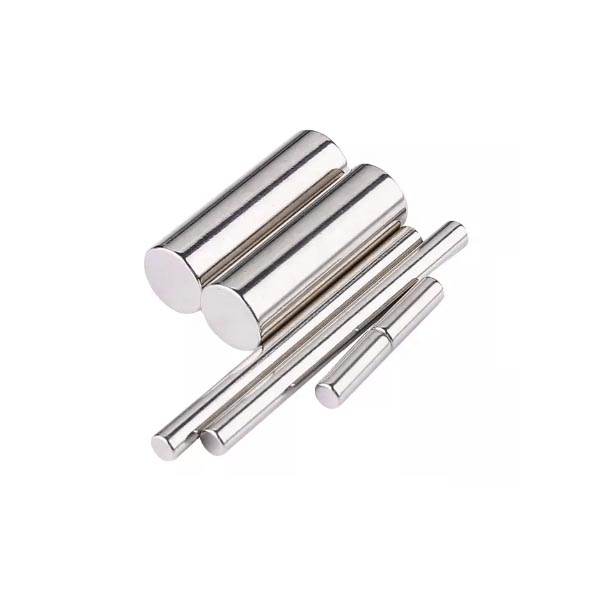
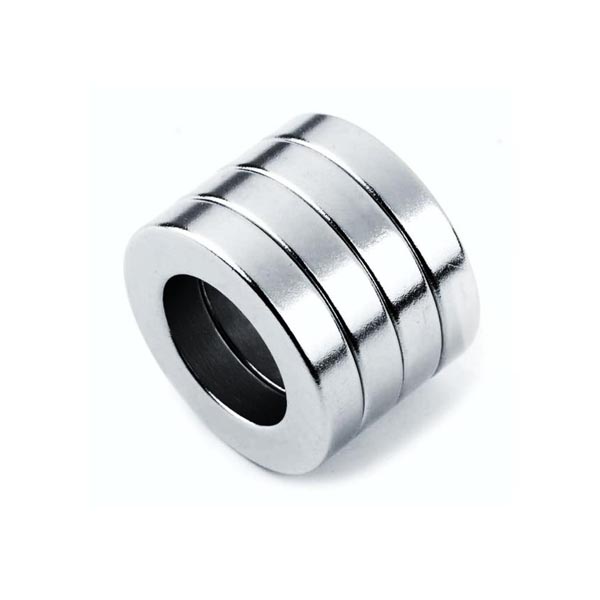
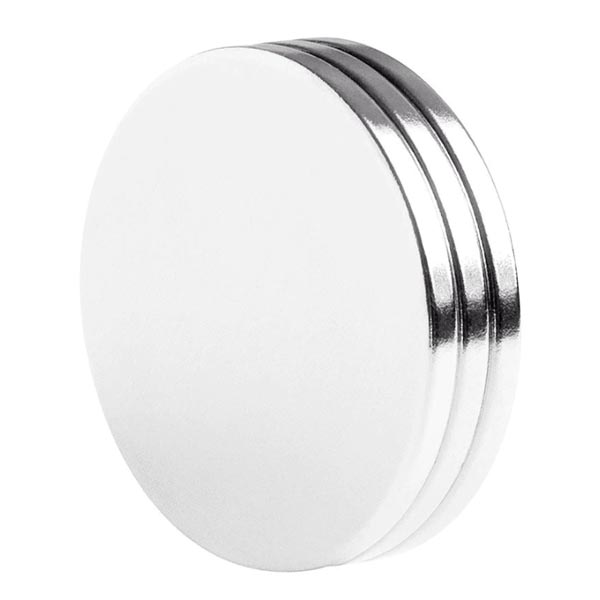
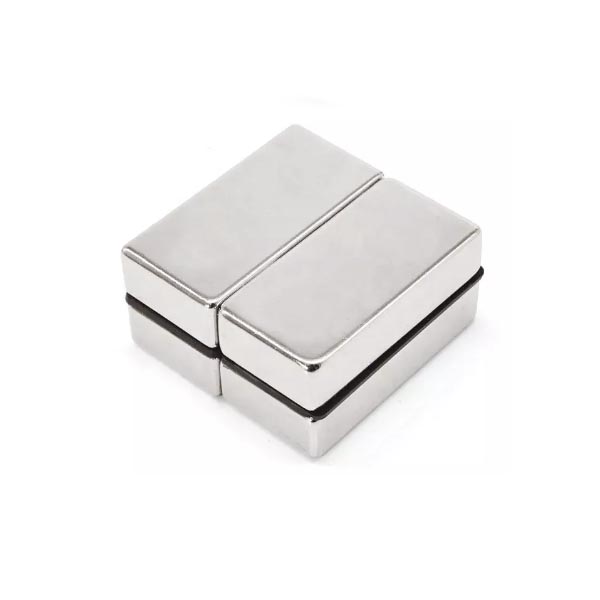
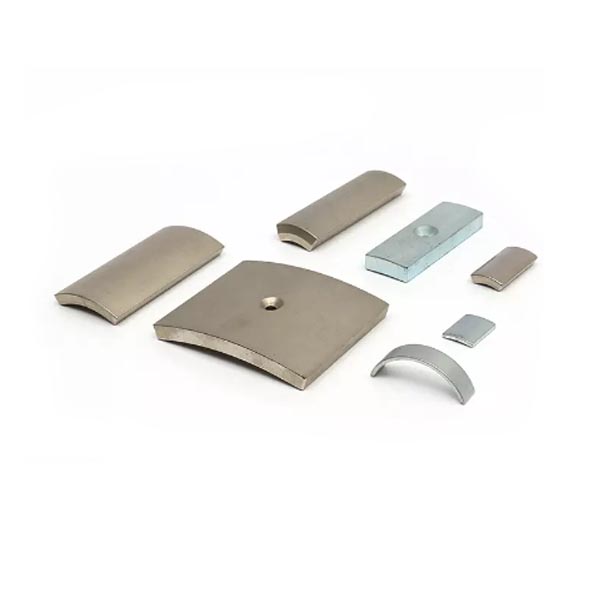
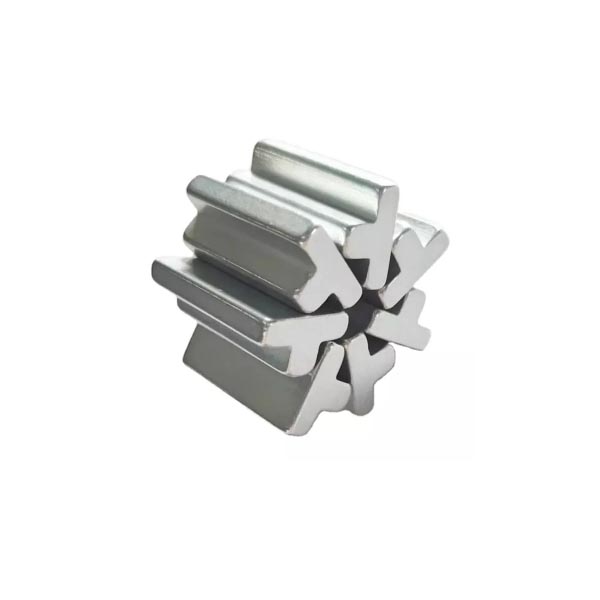
We can offer the OEM/ODM services of our products. The product can be customized according to your personalized requirements, including the size, Shape, performance, and coating. please offer your design documents or tell us your ideas and our R&D team will do the rest.

Post time: Aug-02-2025