
Why Custom Handled Magnets Are Worth the Investment
Alright, let's have a real talk. You need those heavy-duty magnets with handles for your shop, but the off-the-shelf options just aren't cutting it. Maybe the handles feel cheap, or the magnets lose their grip after a few months. I've been there - watching a brand-new magnet take a nosedive off a steel beam because the handle connection couldn't handle the stress.
After helping dozens of manufacturers get this right (and learning from some costly mistakes), here's what actually matters when you're ordering custom handled magnets.
First Things First: It's Not Just About Strength
That Whole "N Number" Conversation
Yeah, N52 sounds impressive. But let me tell you about a client who insisted on N52 magnets for their auto shop. We got the shipment in, and within a week, they were calling about shattered magnets. Turns out, the higher the grade, the more brittle the magnet. Sometimes, a slightly larger N42 does the job better and lasts longer.
The Anatomy of a Workhorse: More Than Just a Magnet
I learned this lesson the expensive way. Shipped what I thought were perfect magnets to a construction company, only to get calls about workers refusing to use them. The handles were uncomfortable, slipped when hands were sweaty, and honestly? They felt cheap. A good handle makes the difference between a tool that gets used and one that collects dust.
The Nitty-Gritty: Specs That Actually Matter
Pull Force: The Number That Pays the Bills
Here's the truth: that theoretical pull force number means nothing if it doesn't work in real conditions. We test prototypes by actually using them - if it can't handle slightly curved surfaces or a bit of grease, it's back to the drawing board. Always test in your actual working environment.
Size and Tolerance: Where Things Get Messy
I'll never forget the batch where the magnets were supposed to be exactly 2 inches. Some came in at 1.98", others at 2.02". The handles fit some loosely while others wouldn't seat properly. Now we're religious about specifying tolerances and checking samples with calipers.
Coating: Your First Line of Defense
Nickel plating looks great in the catalog, but wait until it meets morning dew in a Chicago winter. Epoxy coating might not win beauty contests, but it actually stands up to real-world conditions. We learned this after replacing a batch of rusted magnets after just one season.
Temperature: The Silent Killer
Standard magnets start checking out around 80°C. If your application involves any heat - welding shops, engine compartments, even direct summer sun - you need the high-temp versions. The price jump stings, but not as much as replacing entire batches.
The Handle: Where Rubber Meets Road
Material Choice: More Than Just Feel
l Plastics: Great until they get cold and brittle
l Rubber/TPE: Our go-to for most shop applications
l Metal: Only when absolutely necessary - the weight and cost add up quick
Ergonomics: If It's Not Comfortable, It Won't Get Used
We test handles with work gloves because that's how they're actually used. If it's not comfortable with gloves on, it's back to the drawing board.
Attachment: The Make-or-Break Detail
We've seen all the failures - potting that cracks in cold weather, screws that strip out, adhesives that let go in the heat. Now we specify and test attachment methods under actual working conditions.
The Bulk Order Reality Check
Prototype Like Your Business Depends On It
We always order samples from multiple suppliers. Test them to destruction. Leave them outside. Soak them in whatever fluids they'll encounter. The few hundred dollars you spend on testing might save you from a five-figure mistake.
Find a Partner, Not Just a Supplier
The good manufacturers? They ask questions. They want to know about your application, your environment, your workers. The great ones? They'll tell you when you're about to make a mistake.
√Quality Control Isn't Optional
√For bulk orders, we specify:
√How many units get pull-tested
√Required coating thickness
√Dimensional checks per batch
If they balk at these requirements, walk away.
Real Questions from the Field(FAQs)
"How custom can we really get?"
If you're ordering thousands, almost anything's possible. We've done custom colors, logos, even shapes specific to particular tools. The mold cost gets spread across the order.
"What's the real cost difference between grades?"
Typically 20-40% more for higher grades, but you also get more brittleness. Sometimes, going slightly larger with a lower grade is the smarter move.
"How hot is too hot?"
If your environment gets above 80°C (176°F), you need high-temp grades. Better to specify this upfront than replace magnets later.
"What's the minimum order?"
Most good shops want 2,000-5,000 pieces minimum for custom work. Some will work with smaller quantities using modified stock handles.
"Any safety issues we might miss?"
Two big ones:
Keep them away from welding equipment - they can arc and cause damage
Storage matters - we've seen them wipe security keycards from three feet away
Your Custom Neodymium Magnets Project
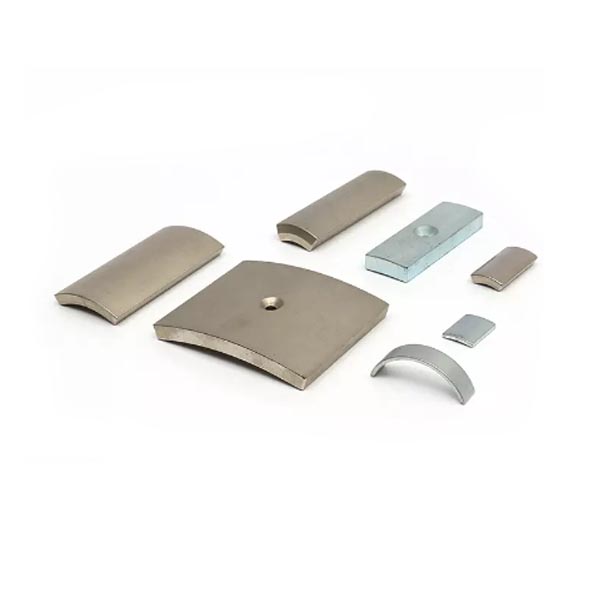
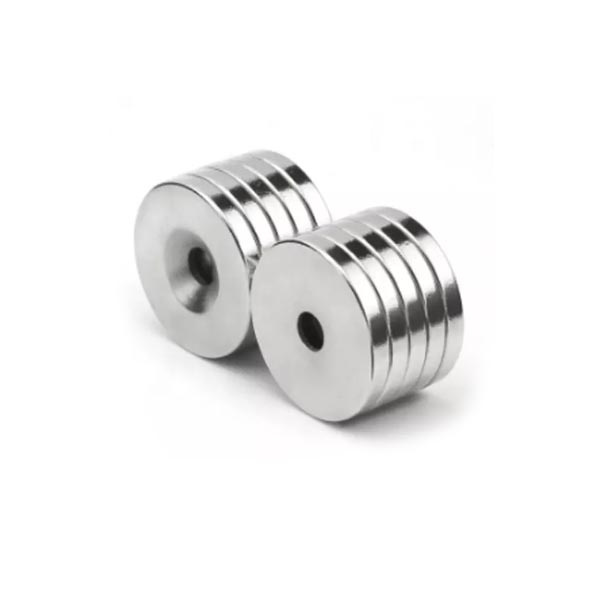
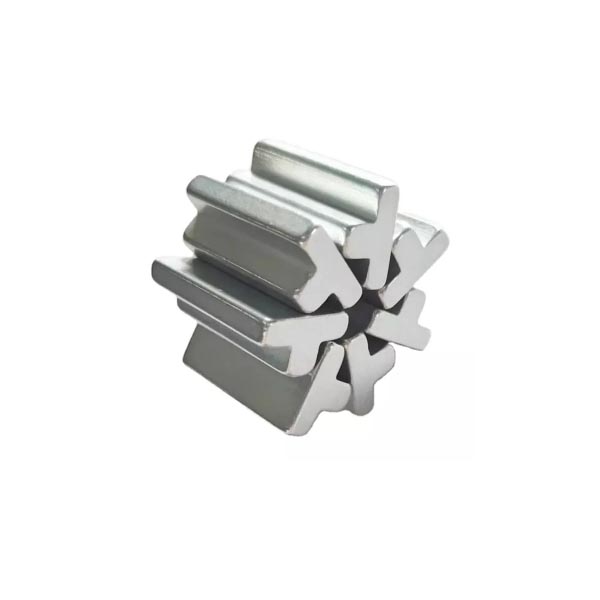
We can offer the OEM/ODM services of our products. The product can be customized according to your personalized requirements, including the size, Shape, performance, and coating. please offer your design documents or tell us your ideas and our R&D team will do the rest.
Other Types of Magnets



Post time: Aug-28-2025