
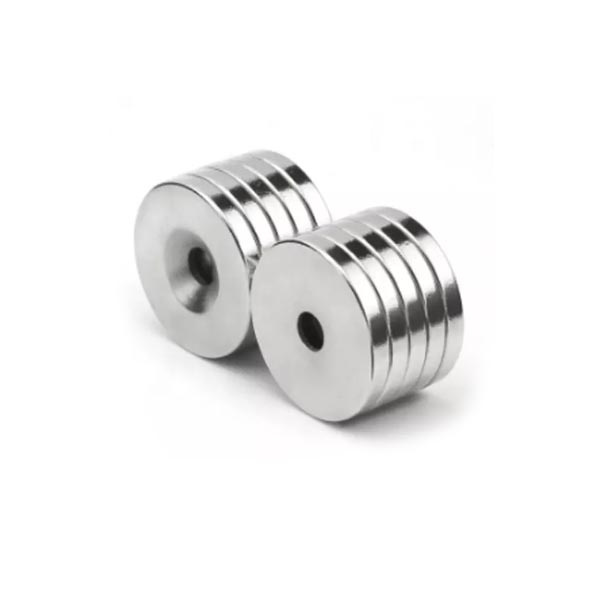
Custom neodymium cylinder magnets are critical for precise industrial and electronic assemblies. Selecting the right size, magnetization, coating, and tolerance ensures reliable performance for your project.
Core Key Points
Guarantees precise fitting and stable installation for industrial and electronic assemblies
Comprehensive selection based on dimensions, magnetic orientation and surface treatment
Optimizes operational stability and long-term service performance
Meets customized production demands for specialized industrial applications
Understanding Custom Neodymium Magnets :Material and Magnetic Properties
Custom neodymium cylinder magnets start with a high-performance alloy made from neodymium, iron, and boron. This combination gives them much higher energy density than traditional magnet materials. Because this rare earth compound generates strong magnetic pull while staying physically stable, it has become a go-to option for demanding industrial parts. Advanced sintering and finishing steps then ensure that each magnet delivers steady, repeatable performance that meets tight manufacturing requirements.
Advantages of Cylinder Shape
The cylindrical design offers unique practical merits for industrial integration. Its compact structure adapts to confined installation spaces, while the smooth outer surface enables effortless insertion into drilled holes, sealed housings and press-fit components. This versatile geometry supports two mainstream magnetic configurations, including axial and diametric magnetization, allowing flexible adaptation to diverse mechanical design requirements.
Key Applications
Industrial Machinery and Actuators
Tailored cylindrical neodymium magnets serve as essential parts for modern mechanical equipment. They are widely integrated into miniature drive motors, servo units and compact actuator systems. Their robust magnetic properties enhance mechanical responsiveness and energy efficiency, sustaining steady operation for automated manufacturing equipment and mechanical drive components.
Sensors and Encoders
Precision detection systems rely on stable magnetic signals for accurate data collection. These customized magnets are widely applied in Hall sensor modules, rotational detection equipment and encoder assemblies. They deliver steady magnetic feedback to support rotation monitoring, position calibration and automatic signal feedback in industrial control systems.
Retention, Alignment and Fixtures
In manufacturing and assembly processes, these magnets provide dependable magnetic holding and positioning functions. They are commonly used for machining jigs, assembly fixtures and magnetic fastening components. Reliable magnetic attraction enables stable workpiece positioning, repeated alignment and efficient assembly operations in industrial production.
Consumer Electronics and Medical Devices
Compact magnetic components are indispensable for miniaturized equipment designs. Custom cylinder magnets fit neatly into portable electronic products, audio components such as microphones and speakers, and compact medical instruments. Their concentrated magnetic force and compact structure ensure controlled magnetic performance for delicate miniature devices.
How to Specify the Right Magnet
Axial vs Diametrical Magnetization
Magnetic orientation is a core design factor for industrial application. Axial magnetization focuses magnetic force along the longitudinal direction, ideal for embedded installation and linear operation scenarios. In contrast, diametrical magnetization creates lateral magnetic poles, which are better suited for rotational equipment and side sensing systems. Understanding this difference is essential to select the right magnet for specific operational needs.
Size, Diameter, Length and Tolerance
Accurate dimensional parameters are fundamental for flawless assembly. Manufacturers need to define precise diameter, length and tolerance values according to installation space and structural design. Minor dimensional deviations may lead to assembly mismatches or weakened magnetic performance, so strict dimensional control is vital for customized manufacturing.
Pull Force, Air Gap and Magnetic Strength
Actual magnetic performance is closely related to pull force and operational air gap. The distance between matching components directly affects magnetic attraction intensity. Designers need to assess environmental factors and spatial constraints to select appropriate magnetic strength, ensuring stable magnetic performance under actual working conditions.
Coating and Corrosion Resistance
Surface coating is crucial for long-term durability. Common protective treatments include nickel plating, zinc coating and epoxy sealing. Each surface finish provides different anti-oxidation and corrosion resistance, effectively protecting magnet surfaces from moisture, wear and environmental damage in daily industrial operation.
Operating Temperature and Environment
Different neodymium materials have distinct temperature resistance thresholds. Long-term exposure to high temperatures may cause gradual demagnetization. For equipment operating in high-heat or harsh environments, it is necessary to select specialized temperature-resistant grades to maintain stable magnetic performance throughout the service cycle.
When Cylinder Magnets May Not Be Suitable
High-Temperature Environments
Standard neodymium cylinder magnets cannot withstand prolonged extreme heat conditions. Continuous high-temperature exposure will damage internal magnetic properties, resulting in irreversible performance degradation. For high-heat industrial environments, high-temperature resistant magnetic materials are more suitable alternatives.
Corrosive or Outdoor Environments
Unprotected neodymium materials are prone to oxidation and corrosion. Long-term exposure to humid, salty or chemically harsh outdoor conditions will accelerate material degradation. Special anti-corrosion treatment or alternative magnetic materials are required for outdoor and corrosive application scenarios.
Projects Requiring Custom Magnetic Assemblies
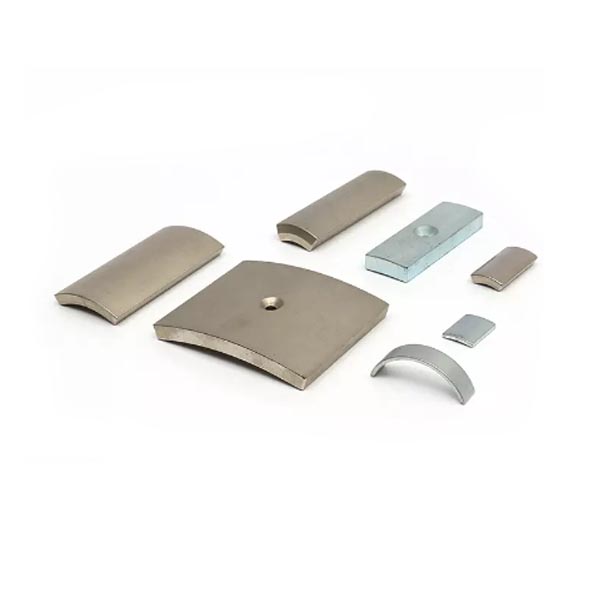
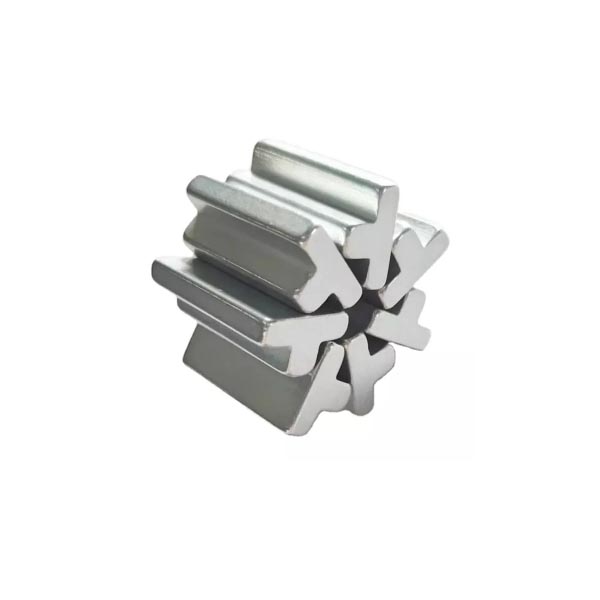
For complex magnetic structures requiring special shapes, multi-component combinations and customized magnetic circuit design, conventional cylindrical magnets cannot meet design requirements. Complex assembly projects need targeted special-shaped magnetic components instead of standard cylinder magnets.
Conclusion
Successful custom magnet design relies on rational matching of shape, size, magnetic orientation and environmental adaptability. Every specification detail directly affects equipment operation and service life. Careful evaluation of application scenarios and technical parameters helps manufacturers achieve stable and durable magnetic components for industrial and electronic production.
Explore our range of neodymium cylinder magnets to obtain tailored custom specifications and professional solutions for your manufacturing projects.
Your Custom Neodymium Magnets Project
We can offer the OEM/ODM services of our products. The product can be customized according to your personalized requirements, including the size, Shape, performance, and coating. please offer your design documents or tell us your ideas and our R&D team will do the rest.
Other Types of Magnets



Post time: Apr-24-2026