
Upfront cost is only a single variable when selecting permanent magnets. Engineering and purchasing teams must additionally weigh magnetic output, mounting space constraints, service lifespan, and recurring long-run operating costs. Here at Fullzen Technology, we support industrial producers in evaluating the practical benefits of upgrading ferrite magnets to neodymium alternatives. This resource includes a direct head-to-head material comparison, practical industrial use cases, and a full breakdown of total cost of ownership.
What Are Ferrite and Neodymium Magnets?
How Ferrite Magnets Are Made
Also called ceramic magnets, ferrite magnets consist of iron oxide blended with strontium or barium carbonate. They come at a low price, do not rust easily, and perform stably under high heat. That’s why they are widely used in big motors, speakers and magnetic separation machinery.
How Neodymium Magnets Are Made
As a core type of rare‑earth magnet, NdFeB magnets are made from a specialized neodymium‑iron‑boron alloy. Outperforming ferrite magnets by a wide margin in magnetic output and energy density, they enable more compact product designs and reliable holding performance where installation space is constrained.On the downside, protective surface treatments including Ni‑Cu‑Ni triple plating, epoxy coating or parylene film are mandatory to guard them against rust and oxidation.
Performance Comparison: Ferrite vs Neodymium Magnets
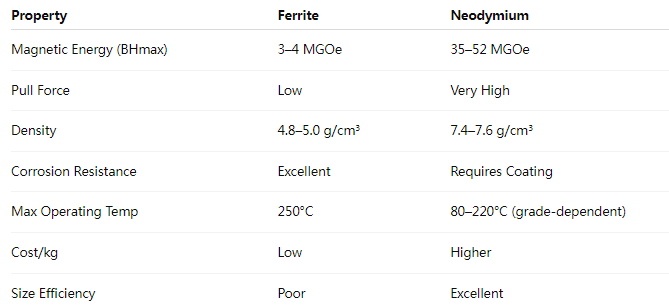
Magnetic Energy Product (BHmax)
With magnetic energy levels as much as ten times higher than ferrite magnets, neodymium magnets are a must-have solution for sleek, high-performance compact designs.
Pull Force Comparison
For compact designs with confined mounting space, a neodymium magnet only half the physical size can deliver holding strength equal to or greater than that of a ferrite magnet. This advantage proves particularly vital for robotics, automated equipment and medical apparatus manufacturing.
Temperature Resistance
Ferrite magnets withstand heat over 250°C without issue, but regular neodymium magnets start to lose magnetism above 80°C. We supply high-temperature NdFeB variants that work reliably at as high as 220°C for extreme operating environments.
Corrosion Resistance
Ferrite magnets naturally resist corrosion. NdFeB magnets require coatings such as Ni-Cu-Ni, epoxy, or parylene for longevity, particularly in humid or industrial environments.
Why Neodymium Magnets Deliver More Force in Less Space
Space-Constrained Product Design
When designing compact motors, sensors, or electronics, neodymium magnets allow for significant size reduction without compromising magnetic performance.
Miniaturized Electronics
Consumer devices and small robotics benefit from the high energy density of neodymium, enabling lighter and more powerful components.
Automation and Robotics
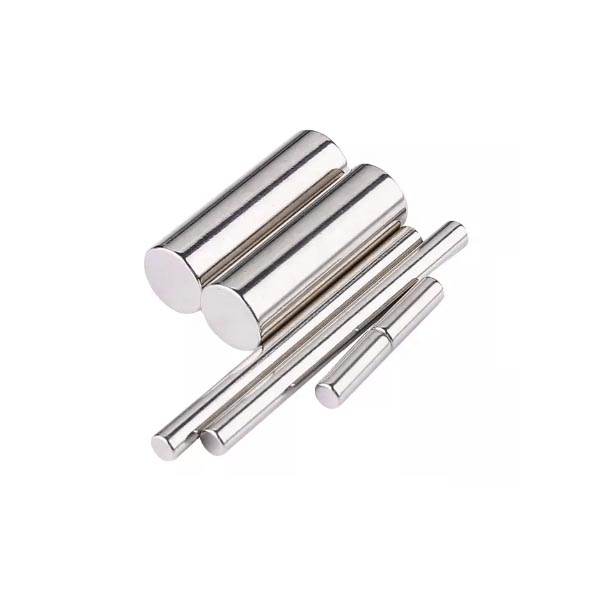
Automation systems often require precise positioning and high holding forces in limited space. High-strength cylindrical magnet designs from Fullzen Technology offer optimal performance in these scenarios.
Total Cost of Ownership: Beyond Magnet Price
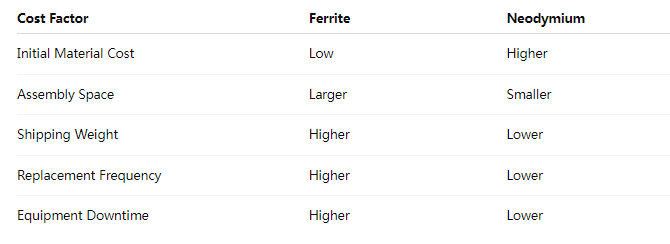
Despite the higher initial purchase cost of neodymium magnets, their compact size, superior magnetic performance and far fewer replacement cycles usually cut down total cost of ownership (TCO) across the full product service life.
Application Comparison
When Ferrite Magnets Are the Better Choice
Large speakers and motors
Low-cost educational products
Outdoor installations with minimal maintenance
When Neodymium Magnets Are Worth the Upgrade
Precision sensors and medical devices
Compact motors and robotics
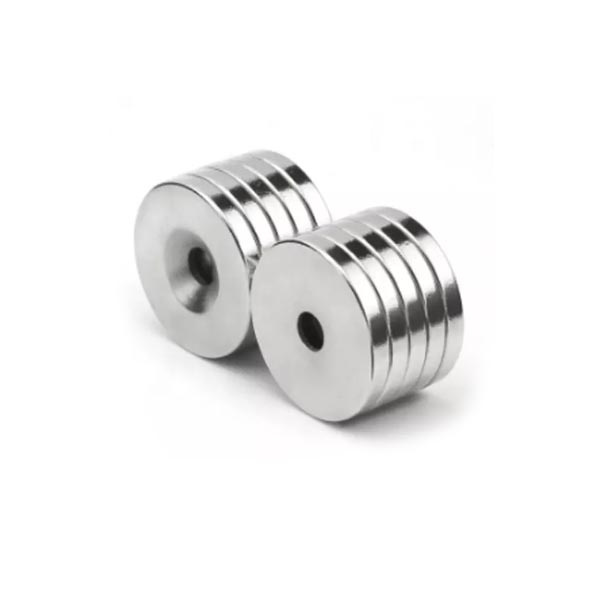
Adhesive-mounted or countersunk disc magnets (neodymium disc magnets with adhesive)
Automation and industrial applications requiring high pull force
Adhesive and Countersunk Neodymium Magnets for Modern Assemblies
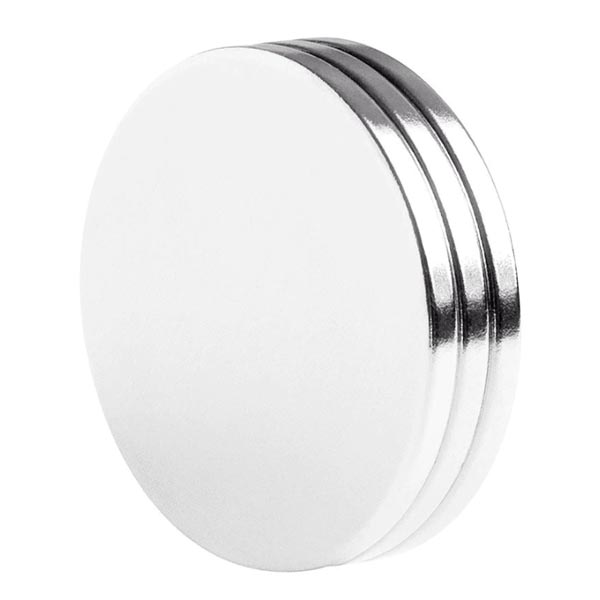
Neodymium Disc Magnets with Adhesive
Such magnetic components are well-suited for scenarios demanding permanent retention independent of mechanical fixing hardware. They optimize assembly efficiency and mitigate the risk of positional offset between parts.
Neodymium Disc Countersunk Magnets
Countersunk magnets allow screws to pass through, ensuring secure mounting on metal surfaces, commonly used in fixtures and tooling.
Choosing the Right Mounting Method
The choice between adhesive or countersunk depends on load, environmental conditions, and assembly preferences.
Ferrite-to-Neodymium Replacement Calculator
We developed a quick reference table for engineers and procurement teams to estimate the size reduction when replacing ferrite magnets with neodymium magnets.
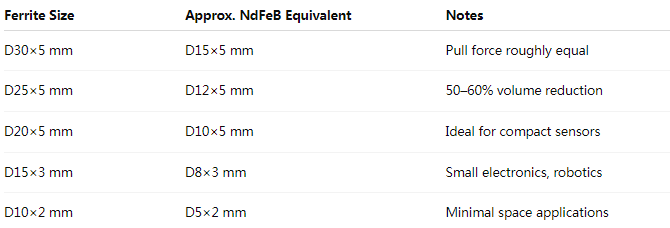
At Fullzen Technology, we encourage you to use this table as a guideline; precise sizing depends on grade, coating, and application load.
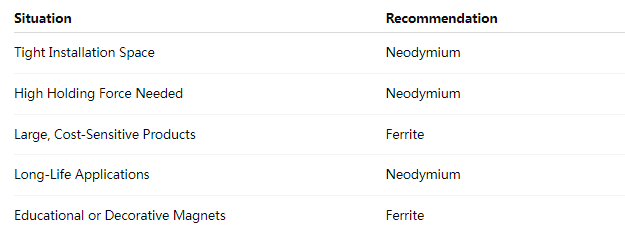
Decision Matrix: Which Magnet Should You Choose?
How Fullzen Technology Supports Custom Magnet Selection
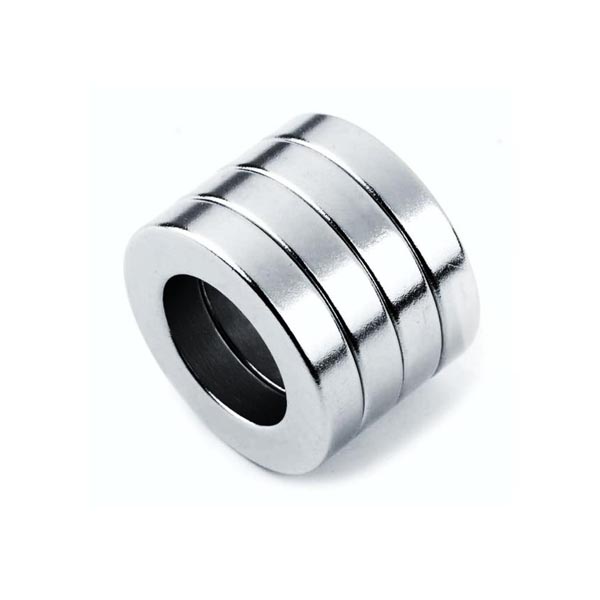
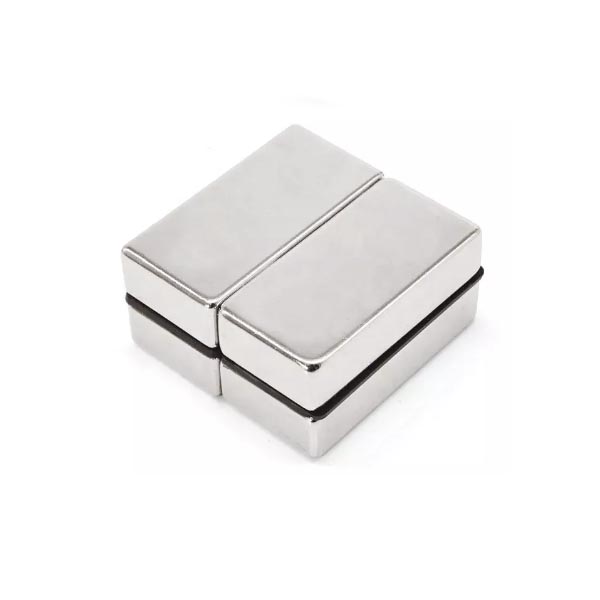
Fullzen Technology delivers all-in-one custom magnet production solutions covering disc, cylinder and ring magnet styles. Our experienced engineering team supports your entire product development cycle. We assist with magnet grade selection, magnetization direction design, anti-corrosion coating solutions, and dimensional optimization, helping you achieve the perfect balance between reliable magnetic performance and controlled project costs.
Frequently Asked Questions
Are neodymium magnets always stronger than ferrite magnets?
Yes, in terms of energy density and pull force, neodymium magnets significantly outperform ferrite magnets.
Can ferrite magnets replace neodymium magnets?
Only in large-volume, low-strength applications. In space-constrained or high-force scenarios, neodymium is usually necessary.
Do neodymium magnets justify the higher cost?
When considering TCO, space savings, and performance, neodymium often provides better long-term value.
Which magnet lasts longer?
Ferrite magnets inherently resist rust and oxidation without extra treatment. Neodymium magnets must be finished with protective coatings, yet with well-matched surface treatment options, they can match or even outlast ferrite magnets in high-performance working scenarios.
Your Custom Neodymium Magnets Project
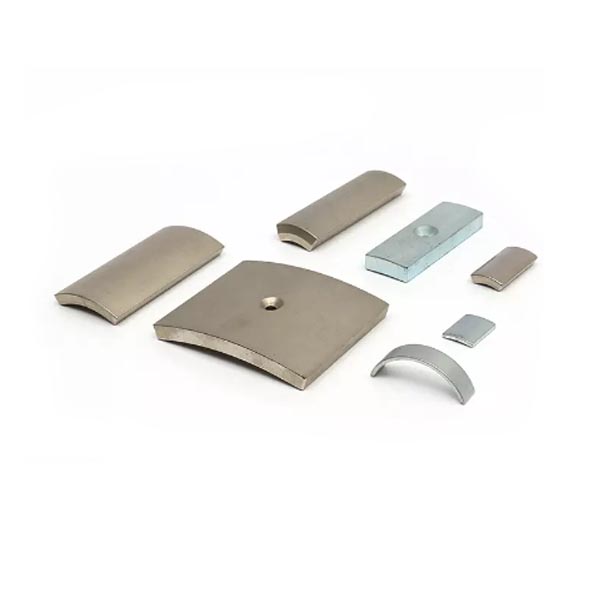
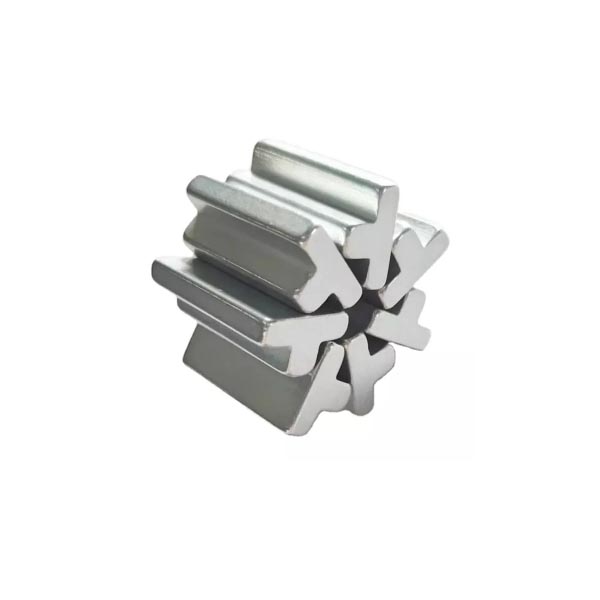
We can offer the OEM/ODM services of our products. The product can be customized according to your personalized requirements, including the size, Shape, performance, and coating. please offer your design documents or tell us your ideas and our R&D team will do the rest.
Other Types of Magnets



Post time: Jun-12-2026