
Cylindrical neodymium magnets are widely adopted across motors, sensing modules, assembly fixtures, and compact consumer electronics. N42 and N52 stand out as two of the most commonly used standard NdFeB grades on the global market. Many product designers mistakenly assume higher-grade magnets always deliver better overall value. In reality, grade selection should factor in installation limits, environmental conditions, budget control, and actual magnetic load demands. This in-depth comparison walks through tangible differences to help you make a well-informed decision for your mechanical designs.
What Do N42 and N52 Mean?
Understanding Neodymium Magnet Grades
Sintered neodymium magnet grades are defined by their maximum energy product values. The standard N-series refers to general-purpose rare earth magnets formulated without high-coercivity rare earth additives like dysprosium. Both N42 and N52 are mass-produced via traditional sintering, grinding, and surface finishing workflows. A higher grade rating reflects denser magnetic domain alignment, which boosts overall flux output within the same physical dimension and structural size.
Key Differences in Magnetic Strength
The fundamental distinction between these two grades comes from raw material formulation and magnetic density configuration. N52 uses a refined rare earth ratio to maximize magnetic output per unit volume. In contrast, N42 features a balanced material composition focused on consistent performance and stable mass production. When comparing identical sizes, N52 generates greater pull force and broader magnetic field coverage, while N42 offers steady, fully capable magnetism for routine industrial assembly tasks.
N42 vs N52: Performance Comparison
Magnetic Strength (Br & BHmax)
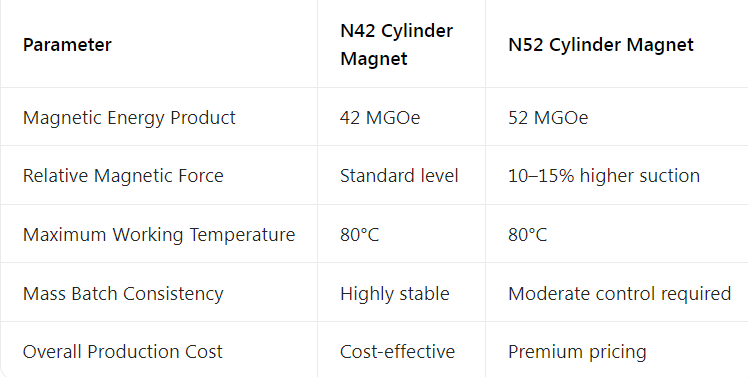
Residual magnetic flux and maximum energy product serve as core technical benchmarks for magnet performance. In side-by-side testing, N52 delivers roughly 10% to 15% stronger magnetic attraction than N42 under the same dimensional specs. This enhanced magnetism makes N52 ideal for miniaturized hardware where designers must maintain strong holding power in limited space. For standard positioning and fastening work, N42’s magnetic output remains more than sufficient for daily operational needs.
Temperature Resistance
Both N42 and N52 fall into the standard-temperature NdFeB category. The continuous safe operating temperature caps at 80°C for both options. Since neither grade includes high-temperature resistant additives, prolonged exposure to excessive heat will gradually weaken magnetism and cause irreversible demagnetization. For machinery running in high-heat environments, upgraded high-coercivity magnet grades are required instead of simply switching between N42 and N52.
Durability and Stability
When it comes to mechanical robustness and anti-corrosion performance, N42 and N52 share nearly identical characteristics. Both support nickel plating, zinc coating, and epoxy resin surface treatments to resist oxidation, moisture, and minor surface abrasion. The main gap lies in batch consistency. N42 boasts mature, stable production processes with minimal magnetic deviation across bulk orders. N52, due to its high-density material structure, demands stricter process control to keep uniform magnetic performance in large batches.
Performance Comparison Table
Cost vs Performance: Which One Is Worth It?
Price Differences
N52 magnets require higher proportions of high-value rare earth materials and tighter manufacturing precision, which drives up raw material and processing costs. Large-volume N52 procurement will noticeably increase overall component expenses. As a well-established mainstream grade, N42 enjoys stable supply chains and controlled market pricing, making it the cost-conscious option for large-scale manufacturing projects.
When N52 Is Overkill
Stronger magnetism does not equal better overall design. Basic positioning jigs, everyday electronic accessories, and low-load fixation components never need the extreme magnetic power of N52. Over-specifying magnet grades only raises procurement costs without adding functional value. In some cases, overly strong magnetism may even trigger magnetic interference or complicate manual assembly workflows.
When N42 Is the Smarter Choice
For automated industrial equipment, standard sensor assemblies, and mass-produced consumer goods, N42 strikes the perfect middle ground. It delivers reliable magnetic performance, flexible lead times, and controlled spending. Manufacturers can stabilize component quality while keeping production budgets balanced, which is critical for long-term batch production and market competitiveness.
Best Applications for Each Grade
When to Use N52 Cylinder Magnets
N52 cylinders work best for compact, high-demand industrial scenarios. Common use cases include micro precision motors, high-sensitivity detection sensors, portable medical devices, and high-density magnetic locking structures. Engineers facing size reduction challenges often turn to N52, as it maintains powerful magnetic performance in ultra-compact layouts.
When to Use N42 Cylinder Magnets
N42 remains the go-to solution for general automation machinery, workshop fixtures, home appliances, and common electronic hardware. It handles routine positioning, adsorption, and auxiliary driving tasks with stable and reliable results. With flexible production cycles and stable batch quality, it fits most conventional industrial design standards.
Industry Examples (Motors, Sensors, Holding Systems)
Compact drive motors often rely on N52 to boost torque within restricted housing space. Industrial Hall sensor modules typically adopt N42 to maintain steady signal feedback and control component costs. Workshop jigs and assembly fixtures widely use N42 for daily clamping and positioning, while high-precision automated machinery chooses N52 for concentrated, high-sensitivity magnetic field response.
How to Choose the Right Magnet Grade
Based on Force Requirements
Start by defining your required holding force and magnetic interaction distance. If your design needs powerful suction or long-range magnetic induction, N52 will better meet your needs. For light-load positioning and simple fixation tasks, N42’s standard performance fully meets daily operating standards.
Based on Operating Temperature
Since both grades share the same thermal threshold, neither can withstand sustained high-temperature environments. For equipment generating continuous heat or operating in harsh thermal conditions, it is necessary to select high-temperature resistant H or SH series magnets rather than adjusting between N-grade options.
Based on Budget
Evaluate your order volume and long-term cost planning. Mass production projects benefit greatly from N42’s cost advantages and stable supply. For high-end customized equipment with strict performance standards, the extra investment for N52 is reasonable and brings tangible functional upgrades.
Related Magnet Solutions from Fullzen Technology
Custom Neodymium Magnet Solutions
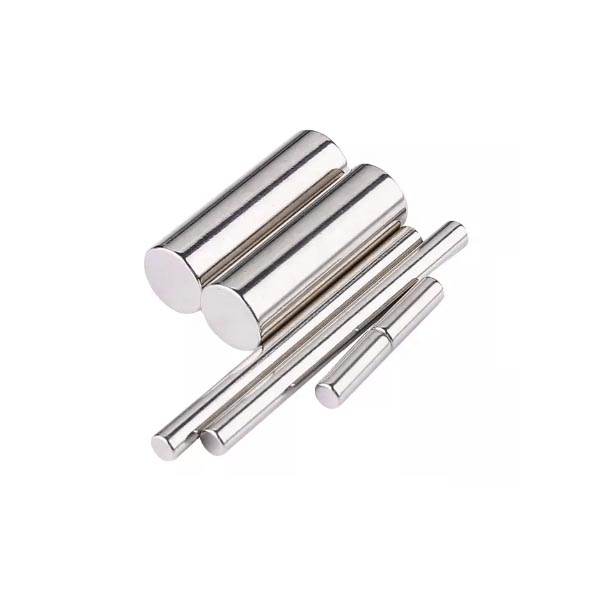
Fullzen Technology provides fully customized neodymium magnet services, covering grade selection, dimensional tolerance, magnetization modes, and multi-type surface coatings. Whether you need steady N42 or high-strength N52 cylinder magnets, we can tailor production to match your design drawings and technical specifications.
Disc Magnets for Compact Designs
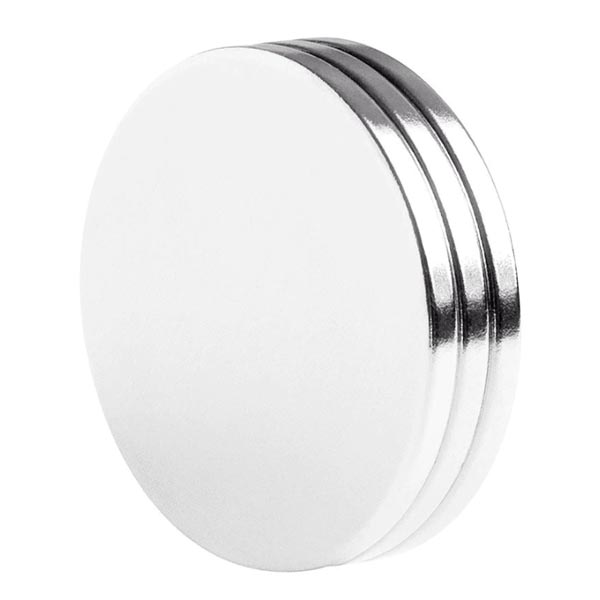
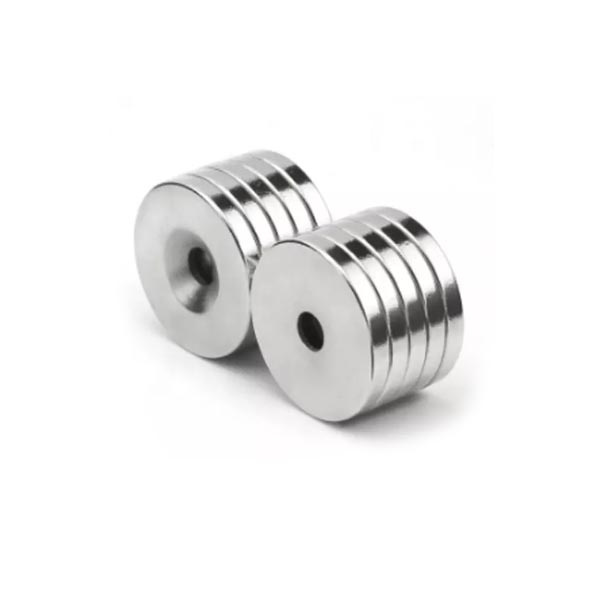
For projects with limited thickness space, custom neodymium disc magnets offer flexible grade options and flat structural advantages. They adapt well to hidden installation and thin-type electronic product layouts.
Ring Magnets for Specialized Applications
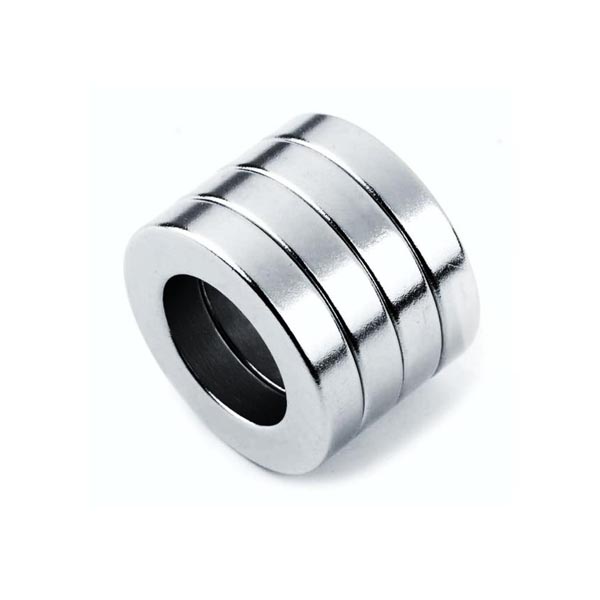
Custom neodymium ring magnets suit shaft assembly, sleeve fitting, and closed magnetic circuit designs. Flexible size and grade customization support unique mechanical structure demands across special industrial fields.
Conclusion
Higher magnet grade numbers do not always represent the most practical solution. The competition between N42 and N52 cylinder magnets ultimately comes down to application scenarios, force demands, and budget planning. N52 offers enhanced magnetic strength for miniaturized, high-precision equipment, while N42 delivers balanced, cost-efficient performance for most mainstream industrial manufacturing.
Reasonable grade selection helps avoid over-investment and unnecessary design flaws. With rich manufacturing experience and strict quality control systems, Fullzen Technology supports global clients with reliable magnet solutions. Reach out to our technical team today, and we will craft suitable magnet grade suggestions to match your next engineering project.
Your Custom Neodymium Magnets Project
We can offer the OEM/ODM services of our products. The product can be customized according to your personalized requirements, including the size, Shape, performance, and coating. please offer your design documents or tell us your ideas and our R&D team will do the rest.
Other Types of Magnets



Post time: Apr-29-2026