Correct sizing for neodymium ring magnets goes well beyond simple compliance with a drawing. It directly influences part fit, functional performance, and long‑term durability in your finished assembly.
In OEM manufacturing, magnets are nearly always made to your exact specifications. This makes three measurements critical: outer diameter (OD), inner diameter (ID), and thickness. Even minor
mistakes in these values can cause fitting troubles, alter magnetic performance, or create failures that only appear during final assembly. This guide walks you through defining these dimensions properly,
including tolerance rules and application considerations, to keep you and your supplier fully coordinated from the beginning.
What Do OD, ID and Thickness Mean in Ring Magnets
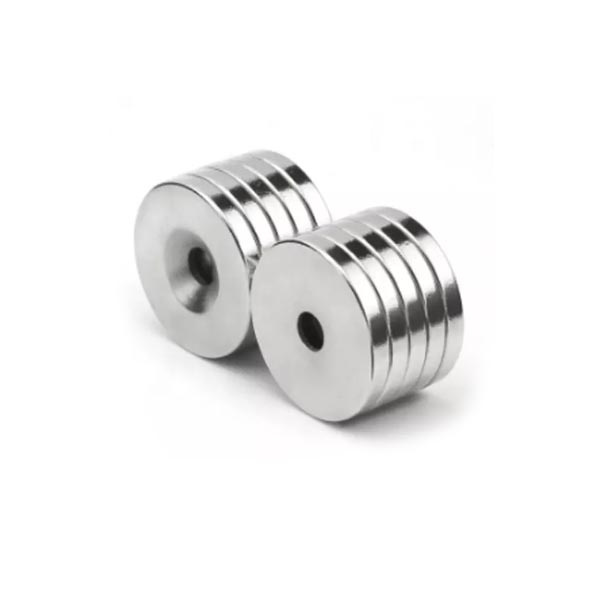
Outer Diameter (OD)
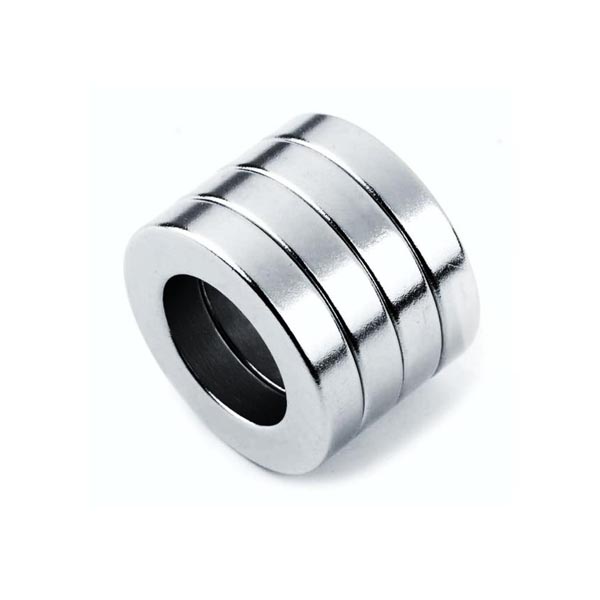
Think of OD as the overall footprint of the magnet—it’s the full width measured straight across the circular face, from one outer edge to the opposite side. This tells you how much real estate the magnet will
take up inside your product. It matters for clearance, how the magnet interfaces with surrounding parts, and to some extent, how far the magnetic field reaches.
Inner Diameter (ID)
Simply put, ID is the size of the hole through the center of the ring magnet, measured edge to edge across the middle. This dimension sets the limit for what size shaft, rod, bolt, or other mounting hardware
can go through or sit inside. Nailing the ID matters a lot—it's key for interference fits, slip fits, and keeping things aligned, whether you're dealing with rotating components (like motor rotors) or stationary
ones (like sensor housings).
Thickness of Ring Magnets
The ID basically defines the size of the shaft, axle, or component that can either go through the center or sit inside. Nailing this dimension is key—whether you're after a tight interference fit or a looser slip fit.
This becomes an even bigger factor when the magnet is mounted on a rotating shaft or demands exact alignment.
Why Precision in These Dimensions Actually Matters
Fit and Assembly Realities
When your OD, ID, or thickness goes beyond acceptable assembly limits, you’ll face real headaches: parts that won’t fit at all, loose components that shake and shift, or pieces you have to force into place -
something no production line can afford. In high-speed automated manufacturing, even tiny dimensional errors can trigger jams, wasted parts, or expensive production halts. Locking in correct dimensions
early keeps assembly running smoothly with no unexpected issues.
How Performance Gets Affected
Consistency in dimensions isn’t just about physical fit—it changes the magnetic behavior too. Slight variations in OD, ID, or thickness can shift the working point of the magnet, weaken holding force, create
an unbalanced field, or cause mismatches if you’re using multiple magnets in one system. In other words, dimensional errors turn into performance errors.
Talking About Tolerances
Standard vs. Tight Tolerances
For a lot of applications, standard industrial tolerances on neodymium ring magnets are perfectly fine. Standard tolerances give you a decent mix of performance, cost, and production speed—nothing too
extreme. Tight tolerances are a different beast: they involve more processing steps, tighter quality checks, and longer wait times, which is why people usually only call for them when they really have to. And
yeah, they’ll cost you more.
Certain applications simply demand ultra‑precise tolerances.
Teams working with medical tools, aerospace parts, precision motors, sensors, or optical gear must hold tight to accurate dimensions. A difference of just a few micrometers can harm function and create
safety risks.. If your project falls into this category, communicate your tolerance needs early during the quotation and design phase so your manufacturer understands your precision requirements clearly.
How Dimensions Shape Magnetic Strength
The Role of Thickness
There’s a direct link between thickness and magnetic output. Up to the point where the material saturates, making the magnet thicker usually boosts magnetic force and flux density. But if you go too thin,
you might end up with a magnet that’s too weak for the job. Go too thick, and you’re just paying for extra material and weight without a meaningful performance improvement.
OD, ID, and Field Distribution
OD and ID together define how the magnetic field spreads out. A larger OD tends to widen the magnetic coverage area, while the ID influences how concentrated the flux is near the center. It’s a balancing
act: pick the right combination so you’re not wasting material, losing performance, or accidentally creating magnetic interference with nearby components.
Common Dimensional Mistakes I’ve Seen
Thickness That’s Just Wrong
A magnet that’s too thin lacks durability and can easily chip or crack when handled. Going too thick on thickness only brings added weight, extended magnetization, and more material expense, while
performance improves very little. Striking the right balance makes all the difference.
Forgetting to Specify Tolerances
Without clear tolerance instructions, your manufacturer will simply apply their default standards. This may fit your needs, but it can just as easily cause major issues. I’ve seen many projects stall because
standard tolerances were too loose, resulting in rejected parts, unreliable prototypes, and significant lost time.
What to Give Your Manufacturer
Avoid confusion by putting together a clear, thorough spec package. Here's what needs to be in it:
A drawing: A straightforward 2D technical drawing with dimensions clearly marked is still the most reliable way to go. It leaves nothing to interpretation.
OD, ID, thickness: Don't assume they'll pull these from the drawing—list them out separately.
Tolerances: Clearly state the allowable plus/minus for each dimension.
Quantity: Give them your annual or per-order numbers. This helps with tooling choices, cost estimates, and production planning.
When ordering custom neodymium magnets, all dimensions must be confirmed before production begins, as parts are manufactured strictly to your unique specifications rather than standard off-the-shelf sizes.
Application context: Describe what the magnet is doing, the conditions it'll face (temperature, environment), and your performance expectations. That way they can recommend the right grade and coating for the job.
How a Good Manufacturer Will Handle It
A reliable magnet manufacturer works strictly with a build-to-print model.
This includes:All parts are made precisely to your submitted specifications and confirmed drawings.
Prior to full mass production, they supply prototypes or pre-production samples for you to verify fit, magnetic performance, coating quality, and other critical details.
Once sample approval is complete, they fix tooling, production procedures, and inspection standards for consistent batch output.
Throughout production, they carry out regular dimension checks on OD, ID, and thickness to stay within your required tolerances.
This process cuts down errors, shortens development cycles, and ensures dependable magnet performance in your finished application.
Your Custom Neodymium Magnets Project
We can offer the OEM/ODM services of our products. The product can be customized according to your personalized requirements, including the size, Shape, performance, and coating. please offer your design documents or tell us your ideas and our R&D team will do the rest.
Other Types of Magnets



Post time: Mar-26-2026