
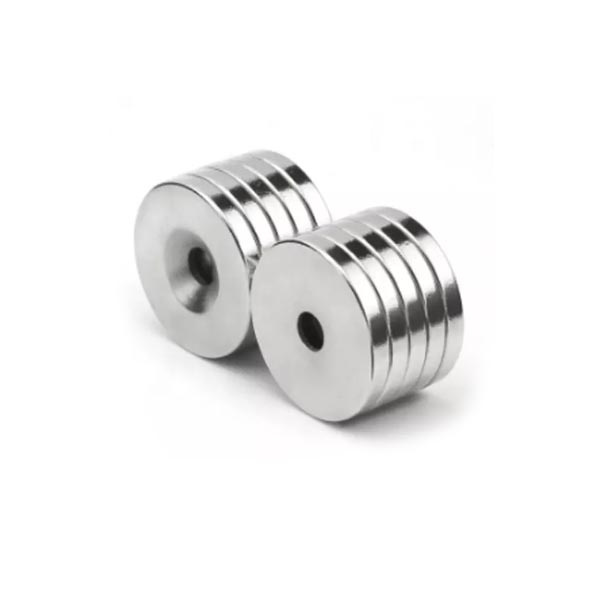
Threaded magnets, with the dual advantages of "magnetic fixation + threaded installation", are widely used in various industries. However, only by choosing the right specifications and sizes can they play their maximum role; otherwise, they may either fail to fix stably or waste space. The requirements vary greatly in different scenarios, so today we'll talk about the selection ideas for several common fields.
1. For threaded magnets used in industrial manufacturing, just choose based on the load.
For securing heavy parts, go for coarse threads like M8 or 5/16 inch—they’re strong and durable. For lightweight small components, fine threads such as M3 or #4 are sufficient. In humid or oily environments, stainless steel ones are more durable; in dry places, ordinary plated ones offer better value for money.
As for materials, if the environment is damp or oily, stainless steel ones are more durable and less likely to break. In dry places, regular plated ones work fine and offer better value for money.
2. Recommendations for selecting threaded neodymium magnets in the electronics industry.
They are mainly used to fix small parts in precision instruments such as speakers and motors. When choosing, there's no need for overly thick sizes; fine threads like M2 or M3 are sufficient. After all, the parts are lightweight, and excessively thick threads would take up extra space and affect precision. For materials, ordinary plated ones are basically enough. As long as the environment isn't humid, they are lightweight and suitable.
3. Choosing threaded neodymium magnets for DIY and handcrafts isn't complicated.
For making magnetic tool racks, creative ornaments, or fixing drawing boards, medium-thick threads like M4 and M5 usually work. They're easy to install and have enough holding power for daily use. Galvanized material is a good choice—it's cost-effective and looks nice too.For threaded neodymium magnets used in small medical devices, fine threads are preferred—like M1.6 or M2.
4. Choosing threaded magnets for cars isn't complicated.
For lighter components like sensors, fine threads M3 or M4 are enough—they save space. For drive motors that take more force, medium threads M5 or M6 are sturdier. Go for nickel-plated or stainless steel materials; they resist vibration and oil, holding up even in the messy environment of a car.
Still worried about choosing threaded magnets for your field? Different fields have varying focuses on the thread size and material requirements of threaded neodymium magnets. If you're still struggling with the thread specifications for your specific application scenario, you might as well further refine your needs based on the actual load, installation space, and usage environment. We can provide you with more precise customization suggestions to ensure that each magnet can function stably in its position.
Your Custom Neodymium Magnets Project
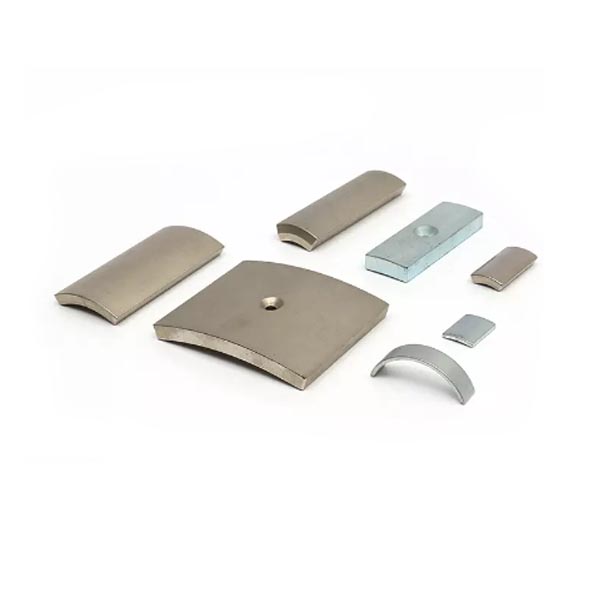
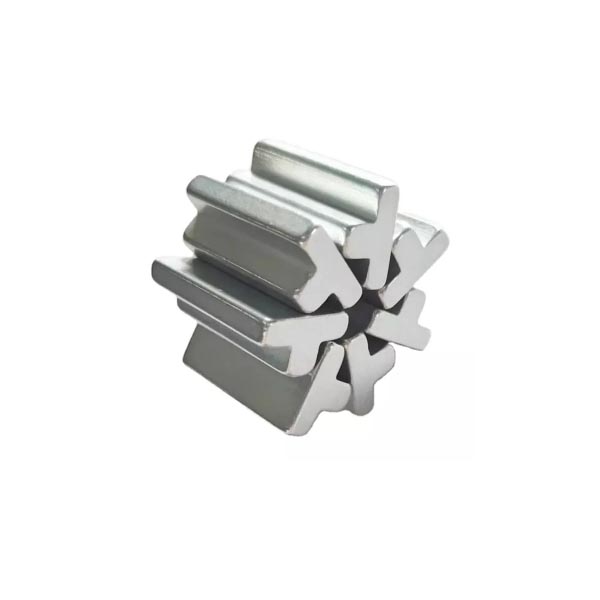
We can offer the OEM/ODM services of our products. The product can be customized according to your personalized requirements, including the size, Shape, performance, and coating. please offer your design documents or tell us your ideas and our R&D team will do the rest.

Post time: Aug-02-2025