
Alright, let's talk shop about handled neodymium magnets. Maybe you’re outfitting a new fabrication team, or maybe it’s time to replace that old, banged-up magnet that’s seen better days. Whatever the reason, if you’re here, you already get it—not all magnets are built the same. This isn’t about grabbing the one with the biggest number on the spec sheet. It’s about finding a tool you can trust when there’s half a ton of steel hanging in the balance. And if you’re importing these things? You’ve gotta ask the right questions—before you ever see a shipping confirmation.
Forget the marketing fluff. Here’s what guys who use these magnets every day actually want to know.
So What Even Is This Thing, Really?
Let's be straight. This isn't a fancy fridge magnet. It's a legit piece of lifting equipment. The core is a neodymium-iron-boron (NdFeB) magnet—the strongest type of permanent magnet you can buy. That’s why a unit that fits in your palm can hold up a weight that'll make your knees buckle.
But the real brains of the operation? It’s in the handle. That handle isn’t just for carrying; it’s what controls the magnetic field. Flip it forward—boom, magnet’s on. Pull it back—it’s off. That simple, mechanical action is the difference between a controlled lift and a scary accident. It’s what makes it a tool and not just a rock that sticks to metal.
The Real Questions Buyers Are Asking:
“What’s it Actually Gonna Lift in My Shop?”
Everyone leads with this, and anyone who gives you a simple number isn’t being straight with you. That 500 kg rating? That’s on perfect, thick, clean, mill-finish steel in a lab. Out here, we have rust, paint, grease, and curved surfaces. That’s why you need to talk about the Safe Working Load (SWL).
The SWL is the real number. It’s the max weight you should ever lift, and it includes a safety factor—usually 3:1 or more. So a magnet rated for 1,100 lbs should only be used for about 365 lbs in a real-world dynamic lift. The good manufacturers test their magnets on real-world stuff. Ask them: “How’s it perform on quarter-inch sheet metal? What if it’s oily or has a flaky rust coat?” Their answers will tell you if they know their stuff.
“Is This Thing Actually Safe, or Am I Gonna Drop a Load on My Foot?”
You’re not lifting feathers. Safety isn’t a checkbox; it’s everything. The number one feature is a positive mechanical lock on the handle. This isn’t a suggestion; it’s a requirement. It means the magnet cannot release until you physically disengage the lock. No bumps, no vibrations, no “oops.”
And don’t just take their word for it. Look for the paperwork. Certifications like CE or ISO 9001 are boring until you need them. They mean the magnet was built to a standard, not just cobbled together in a shed. If a supplier can’t immediately provide those certs, walk away. It’s not worth the risk.
“Will It Work on What I’m Actually Lifting?”
These magnets are beasts on thick, flat steel. But the real world is messy. Thin material? The holding power plummets. Curved surfaces? Same story. And forget about stainless steel. The most common types—304 and 316—are almost entirely non-magnetic. That magnet will slide right off.
The takeaway? Be brutally honest with your supplier. Tell them exactly what you’re lifting. “I’m moving ½-inch thick A36 steel plates, but they’re often dusty and sometimes have a thin primer coat.” A good supplier will tell you if their magnet is right for you. A bad one will just take your money.
“How Big of One Do I Actually Need?”
Bigger isn’t always better. A monster magnet might lift your entire workbench, but if it weighs 40 lbs and is awkward to carry, your crew will leave it in the corner. You need a magnet that’s right for your most common jobs, with a little extra capacity for surprises.
Think about portability and ease of use. A smaller, lighter magnet that gets used is better than a giant one that doesn’t. Use the manufacturer’s charts—the good ones have them—to match the magnet to your material thickness.
“Am I Dealing with a Real Company or a Guy in a Garage?”
This might be the most important question when importing. The internet is full of resellers who just drop-ship. You want a manufacturer. How can you tell?
They provide actual test reports for their magnets.
They know the details: shipping times, customs forms, and how to pack a magnet so it doesn’t arrive destroyed.
They have a real person you can talk to with questions before and after the sale.
If you’re getting one-word answers and dodgy details, you’re not buying from a professional.
Your Go/No-Go Checklist:
☑️ I’ve got a real Safe Working Load for my materials, not a perfect-world rating.
☑️ It’s got a mechanical safety lock. No exceptions.
☑️ I’ve seen the certifications (CE, ISO) and they look legit.
☑️ I’ve described my exact use case to the supplier, and they said it’s a good fit.
☑️ The supplier answers emails quickly and knows their product.
☑️ The size and weight make sense for my daily use.
You’re not buying a commodity; you’re buying a piece of safety-critical equipment. A cheap magnet is the most expensive mistake you’ll ever make. Do the homework. Ask the annoying questions. Buy from someone who gives you confidence, not just a low price.
FAQs (Straight Answers):
Q: Will it work on stainless?
A: Probably not. Most common stainless (304, 316) isn’t magnetic. Test your specific material first.
Q: How do I take care of this thing?
A: Keep the contact surface clean. Store it dry. Check the handle and housing for cracks now and then. It’s a tool, not a toy.
Q: How long until it gets to the US?
A: It depends. If it’s in stock, maybe a week or two. If it’s coming by boat from the factory, expect 4-8 weeks. Always ask for an estimate before you order.
Q: Can I use it in a hot environment?
A: Standard magnets start to lose their strength for good above 175°F. If you’re around a lot of heat, you need a special high-temperature model.
Q: What if I break it? Can I fix it?
A: They’re usually sealed units. If you crack the housing or break the handle, don’t try to be a hero. Replace it. It’s not worth the risk.
Your Custom Neodymium Magnets Project
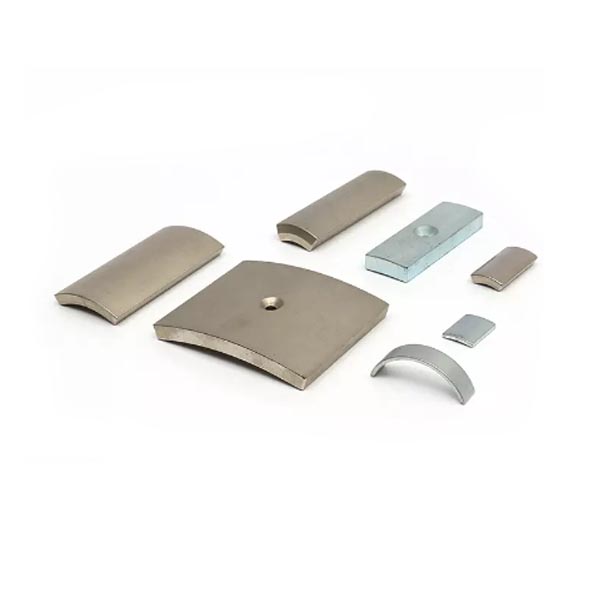
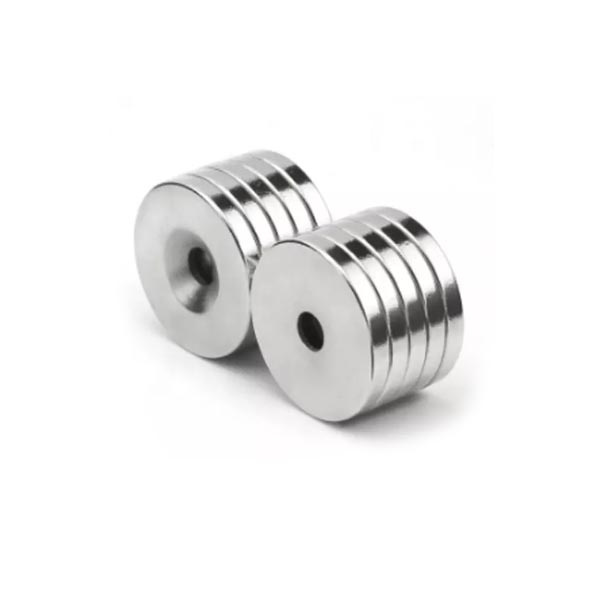
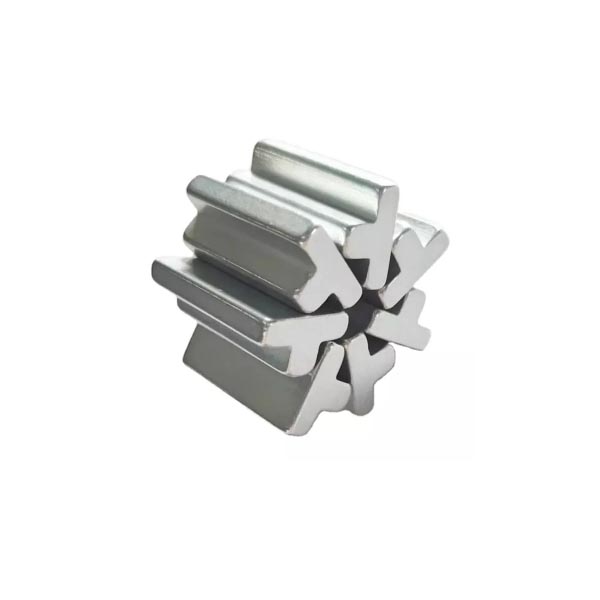
We can offer the OEM/ODM services of our products. The product can be customized according to your personalized requirements, including the size, Shape, performance, and coating. please offer your design documents or tell us your ideas and our R&D team will do the rest.
Other Types of Magnets



Post time: Aug-29-2025