
Decoding Neodymium Magnet Grades: A Non-Technical Guide
The alphanumeric designations etched onto neodymium magnets—such as N35,N42, N52, and N42SH—actually constitute a straightforward performance labeling framework. The numerical component indicates the magnet’s magnetic pulling force, formally referred to as its maximum energy product (measured in MGOe). As a general rule, higher numerical values correspond to greater magnetic strength: an N52 magnet exhibits significantly more holding power than an N42.
The letter suffixes indicate heat tolerance. Standard grades like N52 begin deteriorating around 80°C, while codes like SH, UH, or EH signal thermal stability. An N42SH maintains its magnetic properties at temperatures up to 150°C—essential for automotive engines or industrial heating elements where temperatures regularly soar.
Why Maximum Strength Isn't Always the Answer
It's natural to assume the highest grade represents the best choice, but field experience consistently proves otherwise.
Premium grades sacrifice durability for strength. We regularly encounter N52 square magnets that chip during installation or crack under routine assembly line vibrations. Meanwhile, N35-N45 grades demonstrate remarkable resilience in these demanding conditions.
The financial aspect also demands consideration. High-grade magnets typically cost 20-40% more than mid-range alternatives. Here's a practical workaround we frequently employ: a slightly larger N42 magnet often matches the pulling capacity of a smaller N52 unit, delivering equivalent performance at lower cost with enhanced longevity.
Don't overlook thermal performance either. Standard N52 magnets rapidly degrade when exposed to welding equipment, engine compartments, or even sustained direct sunlight. Investing in temperature-resistant grades like N45SH or N48UH from the outset proves far more economical than replacing demagnetized units later.
Matching Square Neodymium Magnets to Real Applications
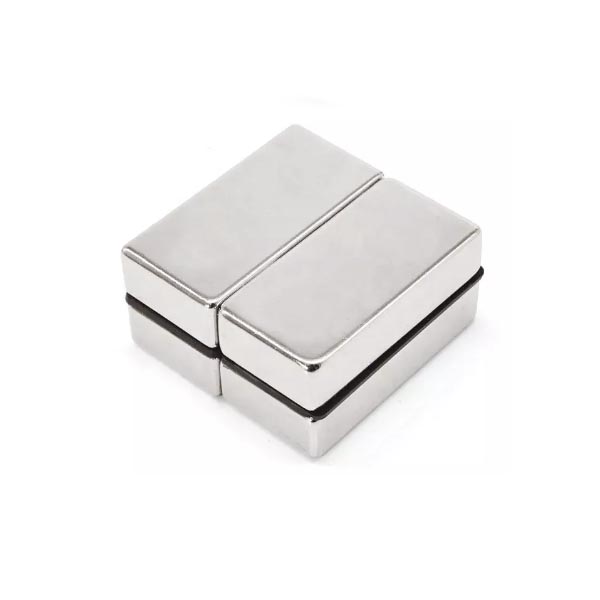
The flat surface geometry of square neodymium magnets ensures excellent force distribution, but selecting the appropriate grade remains crucial for success.
Industrial Machinery Applications
Magnetic fixtures, jigs, and conveyor systems perform optimally with N35-N45 grades. These provide adequate holding strength while resisting the mechanical stresses of industrial environments. A 25mm N35 square magnet, for instance, typically maintains reliable performance where more brittle higher-grade alternatives might fail.
Compact Electronics Implementation
Space-constrained devices like sensors, micro-speakers, and wearable technology benefit from the intense magnetic fields of N50-N52 grades. These enable engineers to achieve necessary performance within minimal spatial constraints.
High-Temperature Environments
Applications near motors, heating systems, or automotive components demand specialized grades. An N40SH square magnet maintains stability at 150°C, where standard magnets would rapidly deteriorate.
Prototyping and Custom Projects
For experimental setups and DIY applications, N35-N42 grades provide the ideal balance of adequate strength, affordability, and damage resistance during frequent handling.
Critical Implementation Considerations
While grade selection matters tremendously, these practical factors significantly impact real-world performance:
Surface Protection Systems
Nickel plating provides sufficient protection for controlled indoor environments, but epoxy coatings prove essential in damp or chemically exposed settings. Our field data consistently shows epoxy-coated magnets lasting multiple years outdoors, while nickel-plated equivalents often show corrosion within months.
Manufacturing Precision
Dimensional consistency ensures proper integration in multi-magnet configurations. We recommend verifying sample dimensions with precision measuring tools before committing to production quantities.
Performance Validation
Laboratory pull-force ratings frequently differ from real-world results. Always test prototypes under actual operating conditions—we've observed surface contaminants like oil reducing effective strength by up to 50% in some cases.
Addressing Practical Concerns
Small-Volume Customization
While full custom grades typically require 2,000+ unit commitments, most manufacturers accommodate smaller projects through modified standard configurations in popular grades like N35 or N52.
Thermal Grade Economics
Temperature-resistant variants command a 20-40% price premium over standard grades, but this investment proves justified when considering the alternative costs of replacing failed magnets in critical applications.
Performance Misconceptions
N52 delivers maximum strength under ideal laboratory conditions but compromises durability and thermal stability. For high-temperature scenarios, N50SH typically provides more consistent real-world reliability despite slightly lower theoretical strength.
Durability Realities
Longevity doesn't increase with grade—in high-vibration environments, larger N35 magnets consistently outlast more fragile N52 equivalents.
Strategic Selection Methodology
Successful magnet implementation requires balancing multiple factors rather than simply maximizing strength. Consider environmental conditions, mechanical stresses, spatial constraints, and budget limitations collectively.
Always validate selections through practical testing under actual operating conditions. Partner with manufacturers who demonstrate genuine understanding of your application requirements rather than simply processing transactions. A quality supplier will advise against specifying grades that are excessively strong—and consequently too fragile—for your intended use.
Careful grade selection, coupled with thorough validation measures, ensures that square neodymium magnets deliver reliable, enduring performance across an extensive range of industrial and commercial use scenarios.
It’s essential to evaluate prototypes under actual operating conditions rather than relying solely on datasheet specifications. Additionally, partner with a manufacturer that engages with your project requirements deeply—not just one that processes orders. A reliable supplier will provide guidance when a selected grade is unnecessarily strong—and consequently too fragile—for your intended use. With the right grade and a little homework, your square neodymium magnets will do their job reliably—day in, day out.
Your Custom Neodymium Magnets Project
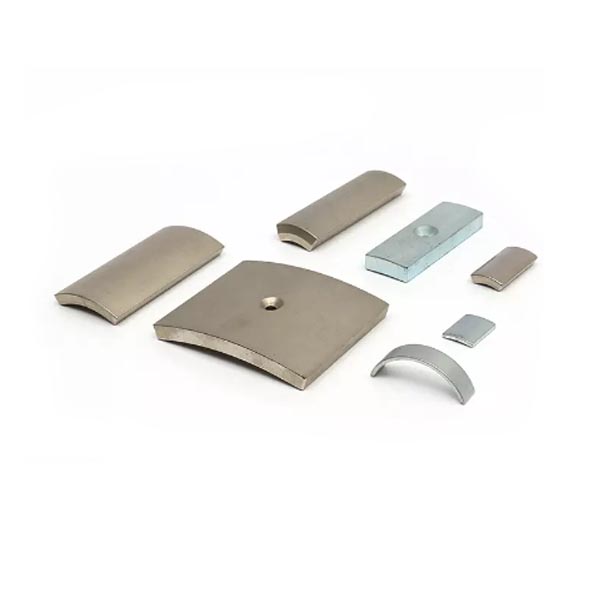
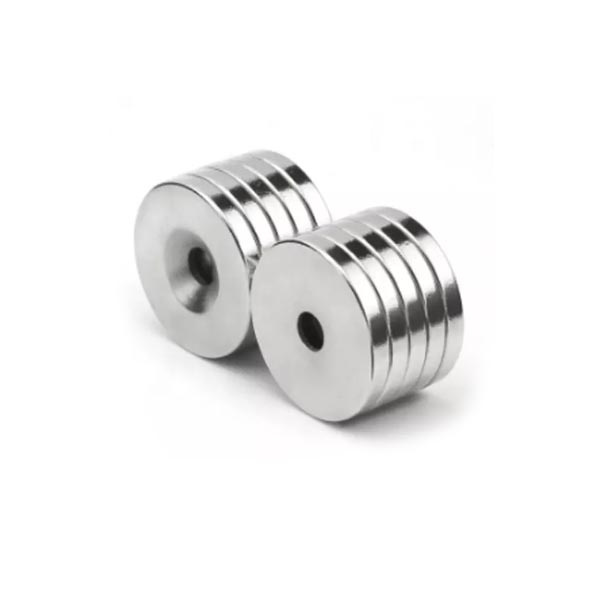
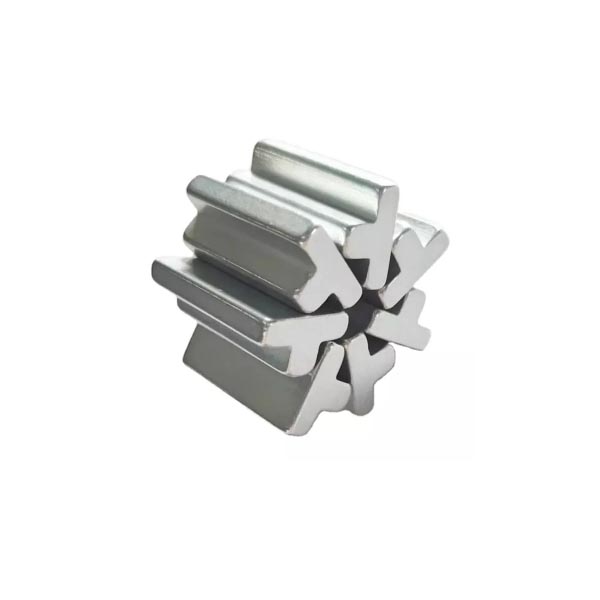
We can offer the OEM/ODM services of our products. The product can be customized according to your personalized requirements, including the size, Shape, performance, and coating. please offer your design documents or tell us your ideas and our R&D team will do the rest.
Other Types of Magnets



Post time: Nov-26-2025