
Neodymium Magnets: Tiny Components, Massive Real-World Impact
From an engineering perspective, the transition from common refrigerator magnets to neodymium types is a leap in capability. Their conventional form factor—a simple disc or block—belies an extraordinary magnetic performance. This dramatic discrepancy between their modest appearance and their intense field strength continues to pose a significant challenge in design and application. Here at Fullzen, we've witnessed these powerful components revolutionize products across multiple fields. Recently, one advancement is capturing the spotlight: screw hole neodymium magnet. What makes this innovation so ingenious is its deceptive simplicity. It's the kind of elegantly straightforward solution that feels instantly obvious.
More Than Just Stronger Magnets
If you're visualizing an enhanced refrigerator magnet, you're missing the mark entirely. Neodymium magnets (commonly referred to as NdFeB or "neo" magnets) represent a fundamental leap in magnetic technology. Created from rare-earth metal alloys, they accomplish what appears physically improbable: generating remarkable magnetic strength from packages that are both small and lightweight. This unique strength-to-weight characteristic has become the engine behind product miniaturization across countless applications. Whether we're discussing medical implants that save lives or the noise-reducing headphones you rely on during travel, this technology has quietly reshaped our technological possibilities. Take away neodymium magnets, and today's tech environment would be unrecognizable.
Understanding the Practical Power
We can discuss magnetic theory endlessly, but real-world performance speaks volumes. Take our N52 grade disc magnet as an example: it weighs roughly the same as a penny yet can lift a full 2 kilograms. This isn't just lab speculation—we verify these results through regular testing. This capability means design engineers can often replace space-consuming ceramic magnets with neodymium alternatives that take up substantially less room.
However, every designer needs to recognize this crucial fact: such power demands careful handling. I've personally observed small neodymium magnets leap across workbenches and shatter upon impact. I've seen them pinch skin severely enough to break it. Larger magnets require even more caution, presenting real crush risks. There's no room for negotiation here—proper handling isn't just advisable, it's absolutely necessary.
Production Methods: Two Approaches
All neodymium magnets share the same basic ingredients: neodymium, iron, and boron. The fascinating part lies in how manufacturers convert this mixture into functional magnets:
Sintered Neodymium Magnets
When your application requires top magnetic performance, sintered magnets are the solution. The manufacturing sequence begins with vacuum melting of raw materials, followed by grinding them into extremely fine powder. This powder gets compressed in molds under a strong orienting magnetic field, then undergoes sintering. If you're unfamiliar with the term, consider sintering a controlled heating process that bonds particles without complete melting. The output is a dense, rigid blank that undergoes precision machining, receives protective coating (typically nickel), and finally gets magnetized. This approach yields the most powerful magnets available today.
Bonded Neodymium Magnets
Sometimes magnetic strength isn't your only concern. This is where bonded magnets come in. The process involves blending magnetic powder with a polymer binder like nylon or epoxy, which is then shaped using compression or injection molding. This technique offers manufacturers virtually unlimited design flexibility. The compromise? Some magnetic performance. The advantage? You can produce intricate, precision shapes that would be impractical or impossible to create through sintering.
The Threading Breakthrough
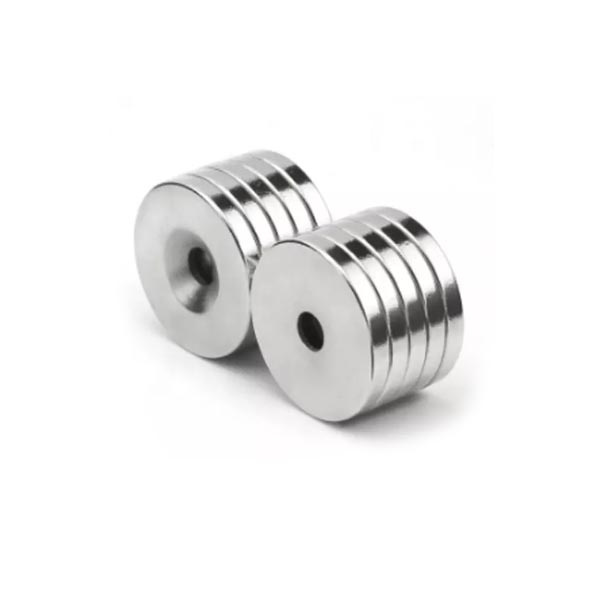
Let me now share what's become one of our most sought-after innovations: neodymium magnets with integrated screw threads. The concept appears almost too simple—until you see it functioning in real applications. By incorporating standard screw threads directly into the magnet itself, we've resolved what was historically among the most troublesome aspects of magnetic assembly: reliable mounting.
Suddenly, engineers aren't struggling with adhesive compounds or developing custom mounting hardware. The solution becomes beautifully straightforward: simply bolt the magnet directly into position. This advancement has proven especially valuable for:
Equipment access panels requiring secure closure during operation while permitting quick maintenance access
Installing sensors and cameras onto steel structures or vehicle frameworks
Prototyping arrangements where components need both secure placement and simple reconfiguration
It's one of those solutions that feels instantly logical—once you've witnessed its effectiveness.
Everywhere Around Us
The truth is, you're likely surrounded by neodymium magnets at this very moment. They've become so embedded in modern technology that most people don't realize their prevalence:
Data systems: positioning mechanisms in storage drives
Audio devices: powering speakers in everything from computers to automobiles
Medical equipment: operating MRI scanners and enhancing dental applications
Transportation systems: crucial for ABS sensors and electric vehicle powertrains
Consumer products: from workshop tool organization to fashionable closures
Choosing Appropriate Solutions
When your project demands dependable magnetic performance—whether you need standard configurations or custom threaded magnets—partnering with a knowledgeable manufacturer proves crucial. At Fullzen, we maintain comprehensive neodymium magnet inventory while remaining prepared to address specialized needs. We invite you to examine our standard products or reach out directly to discuss your particular requirements. Helping you identify the optimal magnetic solution remains our primary focus.
—
With more than ten years of magnet manufacturing experience, Fullzen operates as a source factory providing competitive pricing and reliable supply chain stability.
Your Custom Neodymium Magnets Project
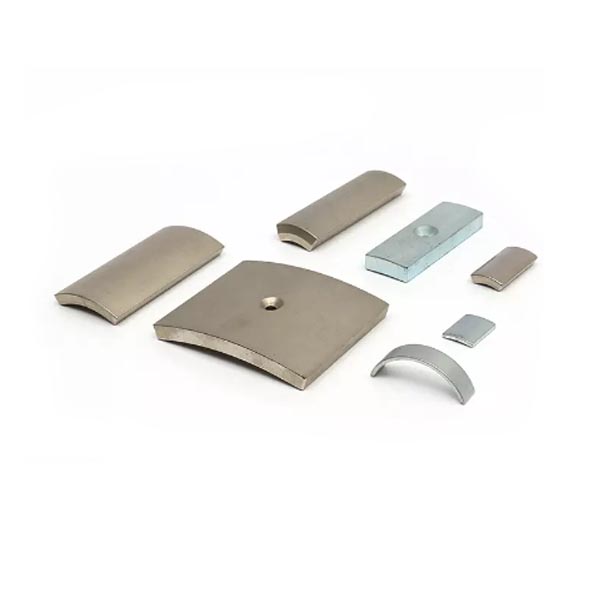
We can offer the OEM/ODM services of our products. The product can be customized according to your personalized requirements, including the size, Shape, performance, and coating. please offer your design documents or tell us your ideas and our R&D team will do the rest.
Other Types of Magnets
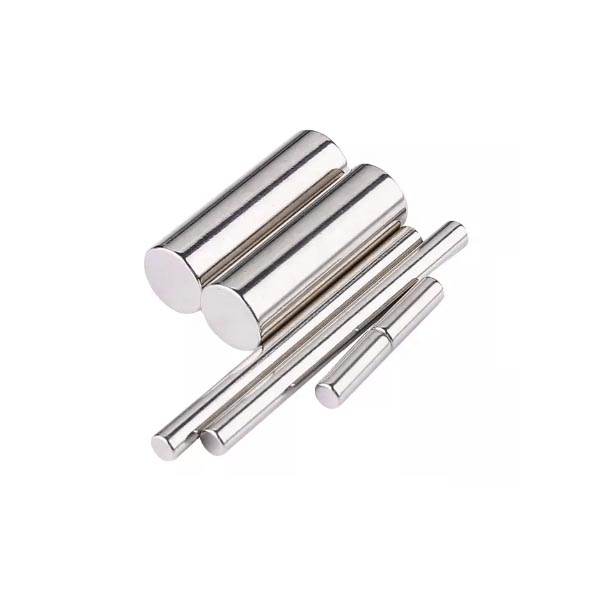
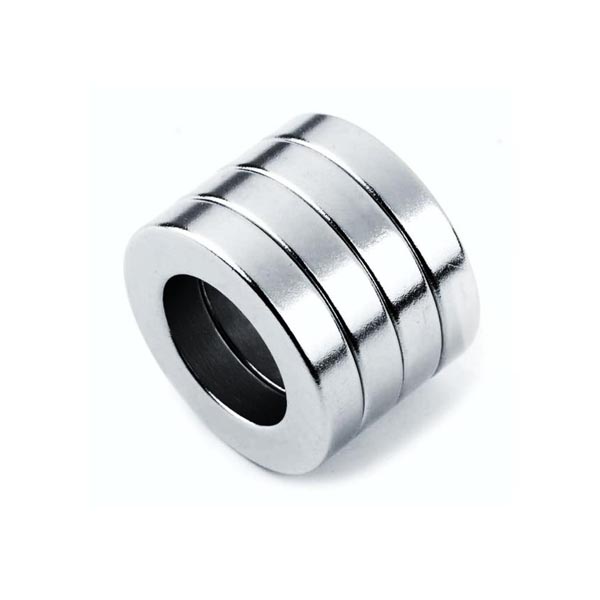
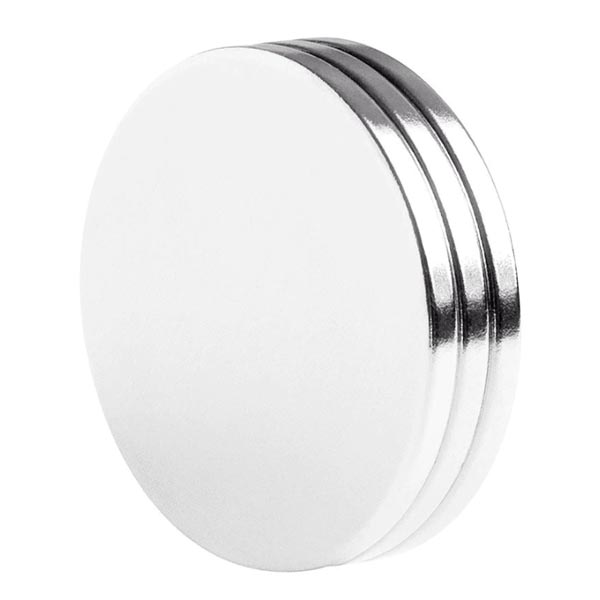
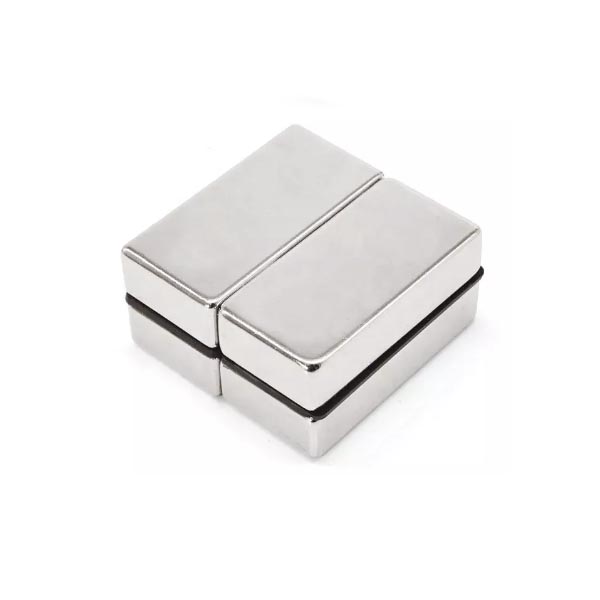



Post time: Oct-27-2025