
A Deep Dive into the World of Permanent Magnets
If you’re sourcing magnets for a project, you’ve probably found yourself swamped by technical specs and glossy sales pitches. Terms like “N52” and “pull force” are thrown around at every turn, but what really counts when it comes to real-world application? Let’s skip the fluff and get down to business. This isn’t just textbook theory; it’s the hard-earned expertise from decades of selecting magnets for on-the-ground jobs, with a focus on the workhorse you’ll actually reach for most: the neodymium bar magnet.
The Magnet Lineup – Picking Your Team
Think of permanent magnets as distinct types of building materials—each has its own intended use, and choosing the wrong one is a surefire way to derail your project.
Ceramic (Ferrite) Magnets: The dependable, cost-effective backbone of the magnet world. You’ll spot them as the black magnets in your car’s speakers or holding your workshop cabinet shut. Their biggest advantage? They’re practically impervious to corrosion and can take a physical beating. The trade-off? Their magnetic strength is just adequate, not impressive. Use them when budget is tight and you don’t need heavy-duty holding power.
Alnico Magnets: The classic choice. Forged from aluminum, nickel, and cobalt, they’re the go-to for high-temperature stability—hence their presence in older instrument gauges, premium guitar pickups, and sensors near engines. But they have a weakness: a hard jolt or an opposing magnetic field can strip them of their magnetism. They’re also pricier than ceramic magnets, making them a niche pick.
Samarium Cobalt (SmCo) Magnets: The specialist for extreme duty. Need a magnet that scoffs at 300°C heat or harsh chemical exposure? This is it. Aerospace and defense industries pay a premium for their unbeatable resilience, but for 95% of industrial jobs, they’re overkill.
Neodymium (NdFeB) Magnets: The undisputed strength champion. They’re the reason our electronics have shrunk and industrial tooling has become more powerful—think the tiny but mighty magnet in your cordless drill. Critical Alert: These magnets are highly prone to rust. Leaving one uncoated is like leaving a steel bar out in the rain; a protective finish isn’t an option—it’s a survival necessity.
Specs Decoded – The Devil’s in the Details
Here’s how to read a spec sheet like a pro who’s learned from costly mistakes.
The Grade Trap (N-rating): It’s true that a higher N number (like N52) means more strength than a lower one (N42). But here’s a field secret: higher grades are far more brittle. I’ve seen N52 magnets crack under a shock that an N42 would brush off without a scratch. More often than not, a slightly larger N42 magnet is the smarter, sturdier choice—you get comparable pulling force without the fragility.
Pull Force: The Lab Fairy Tale vs. Shop Floor Reality: That eye-popping pull force number on the spec sheet? It’s measured on a perfect, thick, mirror-smooth steel block in a climate-controlled lab. Your application? It’s a painted, slightly warped I-beam covered in mill scale. In the real world, actual holding power can be half of what the catalog claims. The rule: Use specs for comparison, but only trust a prototype tested on your actual surface.
Heat Resistance: Coercivity Reigns Supreme: Coercivity is a magnet’s “staying power”—it’s what stops it from losing magnetism when exposed to heat or outside magnetic fields. If your magnet will be near a motor, in a welding area, or on a metal roof baked by the sun, you must opt for a high-temperature grade (keep an eye out for suffixes like ‘H’, ‘SH’, or ‘UH’). Regular neodymium magnets start to suffer permanent damage once temperatures climb above 80°C (176°F).
Picking the Right Coating – It’s Armor:
Nickel (Ni-Cu-Ni): The standard-issue finish. It’s shiny, affordable, and perfectly fine for dry, indoor use—think product assemblies or clean-room fixtures.
Epoxy/Polymer Coating: The tough guy of coatings. It’s a matte, often colored layer that resists chipping, solvents, and moisture far better than nickel. For anything used outdoors, in a machine shop, or near chemicals, epoxy is the only viable choice. As an old-timer in a fabrication shop put it: “The shiny ones look good in the box. The epoxy-coated ones are still working years later.”
Why the Bar Magnet is Your Best Friend
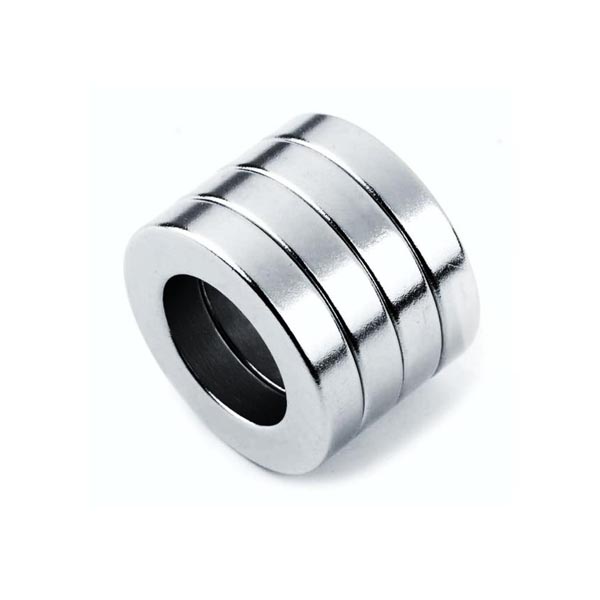
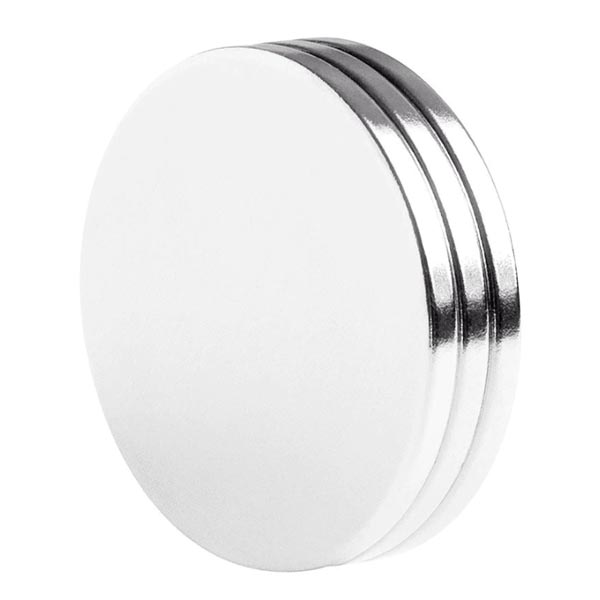
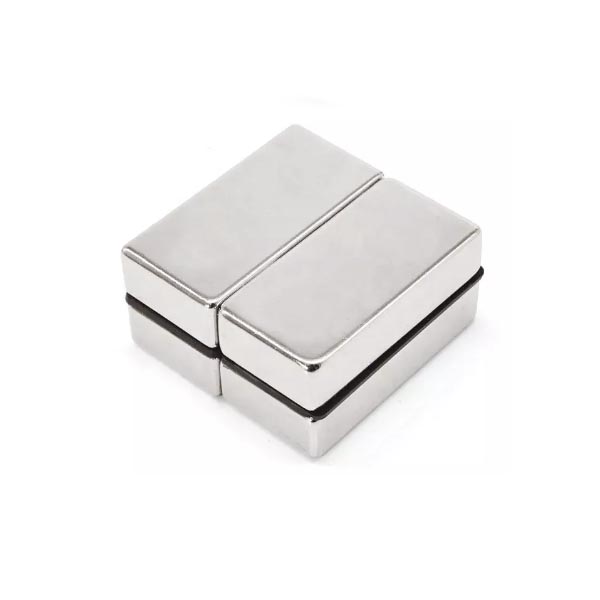
Discs and rings have their uses, but the humble neodymium bar magnet is the ultimate building block for industrial and DIY projects alike. Its rectangular shape delivers a long, flat magnetic face—ideal for strong, uniform holding power.
Where It Earns Its Keep: Its geometry is tailor-made for custom builds. Line them up to create a magnetic sweeper bar for picking up metal debris. Embed them into a custom aluminum fixture to hold parts during welding. Use them as triggers in proximity sensors. Their straight edges let you build dense, powerful magnetic arrays for lifting or holding heavy loads.
The Bulk-Order Detail Everyone Misses: When ordering 5,000 pieces, you can’t just say “2-inch bar.” You must specify dimensional tolerances (e.g., 50.0mm ±0.1mm). A batch of inconsistently sized magnets won’t fit into your machined slots, and that can ruin an entire assembly. Reputable suppliers will measure and certify these tolerances—don’t settle for less.
Safety: Non-Negotiable:
Pinch/Crush Hazard: Oversized neodymium magnets can snap together with enough force to crush bones. Always handle them individually and with extreme caution.
Electronic Damage Risk: These magnets can completely ruin credit cards, hard drives, and other magnetic media. What’s more, they can disrupt pacemaker function from a surprisingly far distance.
Storage Guidelines: Store neodymium magnets in a way that keeps them from touching one another—cardboard separators or individual slots work perfectly for this.
Welding Safety Alert: This is a non-negotiable rule: Never use a neodymium magnet anywhere close to an active welding arc. The magnetic field can send the arc flying in violent, unpredictable directions, putting the welder in serious danger.
Working with a Supplier – It’s a Partnership
Your goal isn’t just to buy magnets; it’s to solve a problem. Treat your supplier as a partner in that process. Share the gritty details of your project: “This will bolt to a forklift frame, get covered in hydraulic fluid, and operate from -10°C to 50°C.”
A good supplier will ask follow-up questions to understand your needs. A great one will push back if you’re making a misstep: “You asked for N52, but for that shock load, let’s talk about N42 with a thicker epoxy coat.” And always—always—get physical samples first. Put them through the wringer in your own environment: soak them in fluids, expose them to extreme temperatures, test them until they fail. That few hundred dollars spent on prototypes is the cheapest insurance you’ll ever buy against a five-figure production disaster.
Bottom line: By looking past the flashy top-line specs and focusing on practical durability, precision, and a true partnership with your supplier, you’ll harness the full power of magnets—especially the versatile neodymium bar magnet—to build solutions that are not just powerful, but reliable and safe for years to come.
Would you like me to add a section on red flags to avoid when choosing a magnet supplier to make the article more comprehensive for your readers?
Your Custom Neodymium Magnets Project
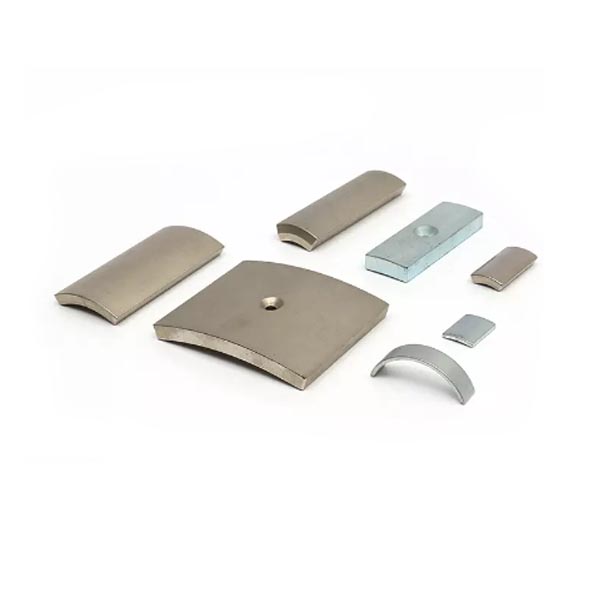
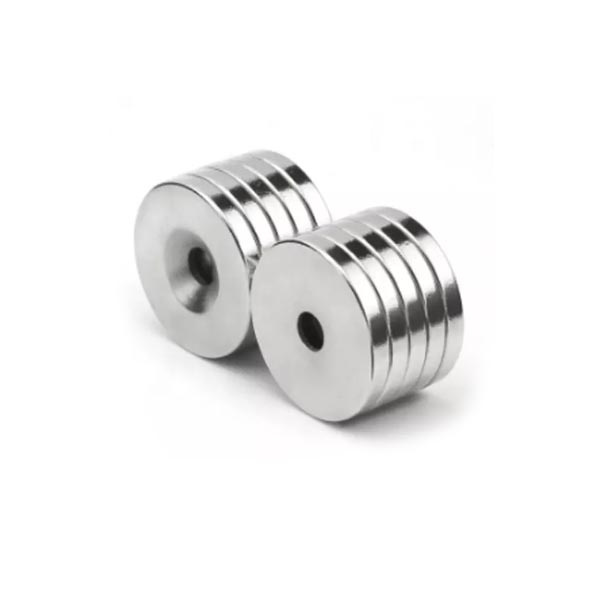
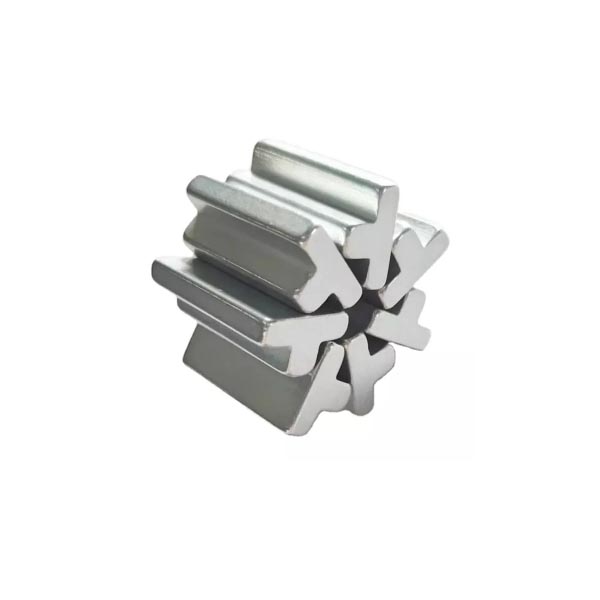
We can offer the OEM/ODM services of our products. The product can be customized according to your personalized requirements, including the size, Shape, performance, and coating. please offer your design documents or tell us your ideas and our R&D team will do the rest.
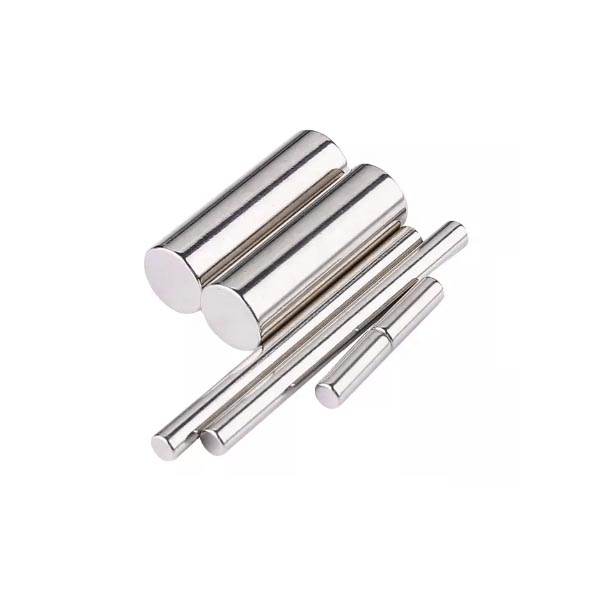
Other Types of Magnets



Post time: Dec-03-2025