
The Magnetic Mystery of Stainless Steel Solved
That moment of truth arrives when a slender neodymium magnet meets a stainless steel surface and drops straight to the floor. Immediately, questions arise: Is this material genuine? Could it be counterfeit? The reality is far more intriguing. Rather than indicating authenticity, magnetic behavior reveals the specific stainless steel variety based on its elemental recipe and internal crystalline design.
Together we'll explore why certain stainless steels cling to magnets while others don't, and how super thin neodymium magnets transform into portable identification tools. This knowledge serves both the factory manager approving shipments and the homeowner installing kitchen organizers.
Why Metals React to Magnets
Metals display magnetic characteristics when their atomic framework permits tiny magnetic zones to coordinate their orientation. Iron naturally facilitates this coordination, which clarifies why standard steels typically respond to magnets.
Stainless steel complicates this picture through its alloy composition. Though built on an iron-chromium base (with at least 10.5% chromium), its magnetic signature derives from additional elements - particularly nickel's influential role.
The Stainless Steel Spectrum
Stainless steel divides into two primary categories with contrasting magnetic personalities:
1. Austenitic Stainless - The Non-Magnetic Performer
This family represents the most frequently encountered stainless steel. You meet it in kitchen basins, food processing machinery, and contemporary building facades. Its most familiar representatives include grades 304 and 316.
The Nickel Influence
Critical insight: austenitic steels contain generous nickel proportions (usually 8% or higher). This nickel reshapes the metal's crystalline foundation into a "face-centered cubic" matrix that hinders magnetic domain development, leaving thin strong neodymium magnets without traction.
The Processing Exception
Notably, intense fabrication processes - severe bending, cutting, or welding - can trigger localized structural transformations. These modified areas might acquire slight magnetic characteristics, clarifying why aggressively worked sections on 304 sinks occasionally display faint magnetic response.
2. Ferritic & Martensitic - The Magnetic Experts
These stainless steel families naturally attract magnets and address particular applications:
Ferritic Stainless (Grade 430)
Common applications include dishwasher internals, refrigerator外壳, and architectural highlights. Its minimal nickel content preserves iron's innate magnetic properties.
Martensitic Stainless (Grades 410, 420)
This group excels in high-demand situations - professional cutlery, industrial cutting edges, and mechanical components. Their magnetic features develop during thermal hardening treatments.
When you bring a china n52 thin square neodymium magnet near these types, you'll feel the unmistakable pull identical to conventional steel.
On-Spot Verification Using Slim Magnets
The brilliance of thin magnets resides in their intense power concentrated within slender profiles. This combination creates ideal conditions for immediate material confirmation anywhere.
Effective Testing Approach
- Choosing Your Magnet
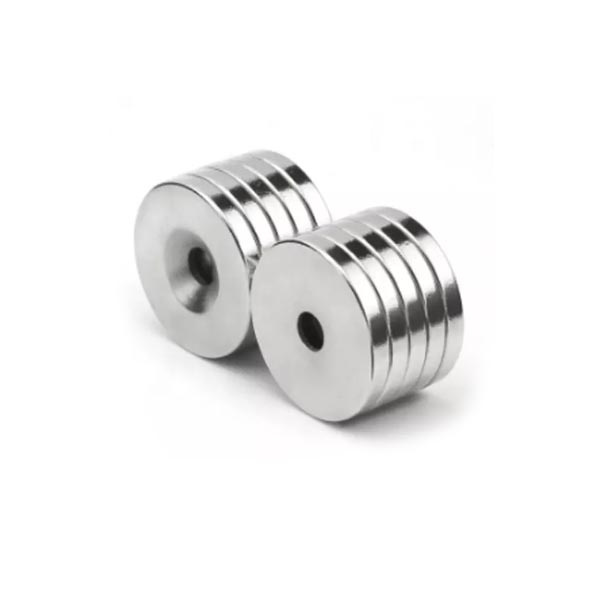
Begin with paper thin neodymium magnets or thin neodymium disc magnets for routine verification. For borderline cases, switch to N52 magnets - the undisputed leaders in commercial magnetic intensity.
- Preparing the Surface
Preparation proves crucial. Microscopic obstructions including oil residues, dust accumulation, or painted coatings can compromise results by introducing separation.
- Procedure and Analysis
Apply consistent pressure during magnet placement:
- Firm attachment? You've probably encountered ferritic, martensitic, or conventional steel.
- Weak response or total indifference? Likely austenitic (304-type) stainless.
Strategic Procurement Advice
For purchasing departments integrating wholesale strong thin neodymium magnet units into quality systems, supplier reliability becomes paramount. Collaborating with proven china n52 thin square neodymium magnets suppliers guarantees consistent testing performance across projects and deliveries.
Setting the Record Straight
Misconception: "Premium stainless steel always ignores magnets."
Actual situation: This common misunderstanding disregards complete stainless steel families. All ferritic and martensitic grades exhibit dependable magnetism while preserving authentic stainless steel status.
Misconception: "Magnetic indicates second-rate stainless steel."
Actual situation: Magnetic varieties target specialized performance requirements. The 430 series offers remarkable corrosion defense for numerous uses, while martensitic types deliver exceptional edge retention and structural integrity.
Misconception: "Insignificant magnets cannot assess substantial metal thickness."
Actual situation: Magnetic influence travels through solid steel independent of magnet slimness. Even 0.5 mm powerful magnet iterations identify magnetic foundations through considerable material, given they establish direct metal connection.
Practical Implementation
Industrial Context
Integrate strong thin neodymium magnets into incoming inspection procedures. Recognizing material discrepancies before manufacturing avoids excessive rework expenses and scheduling disruptions.
Household and Commercial Settings
Confirm stainless steel compatibility before implementing magnetic mounting solutions. For business owners marketing mini magnets or round magnet products on platforms like eBay or Karfri, teaching this verification approach converts basic products into sophisticated diagnostic aids.
Quick Questions, Clear Answers
Does 304 stainless slowly gain magnetic properties?
Seldom under ordinary circumstances. Its non-magnetic character continues unchanged unless radical mechanical processing fundamentally modifies its microscopic structure.
Does magnetic stainless steel resist corrosion efficiently?
Absolutely. Grade 430 manages interior and moderate exposures effectively. For challenging environments, "duplex" stainless steels combine magnetic functionality with superior corrosion defense.
Which slim magnet works optimally for material verification?
N52 thin square neodymium magnets and thin neodymium disc magnets achieve the ideal harmony between impressive performance and practical dimensions.
Can magnet testing damage refined surfaces?
Not to worry. Paper thin neodymium magnets merge polished surfaces with lightweight construction, producing secure options for premium finishes including high-end appliance surfaces.
Essential Conclusions
Stainless steel magnetism follows predictable rules:
- Austenitic (300 series) → Predominantly non-magnetic
- Ferritic/Martensitic (400 series) → Dependably magnetic
Consider thin neodymium magnets your rapid material recognition system. Storing multiple super thin neodymium magnets in your working kit creates primary protection against material uncertainty and expensive errors.
Prepared to enhance your verification capacity? We supply superior china n52 thin square neodymium magnets and multiple thin strong neodymium magnets. Contact us for quantity-based pricing and no-cost assessment samples - let's determine your ideal magnetic answer collaboratively.
Your Custom Neodymium Magnets Project
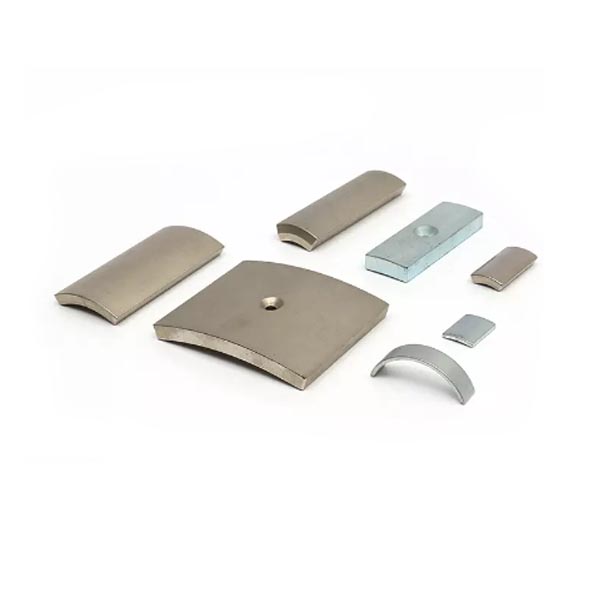
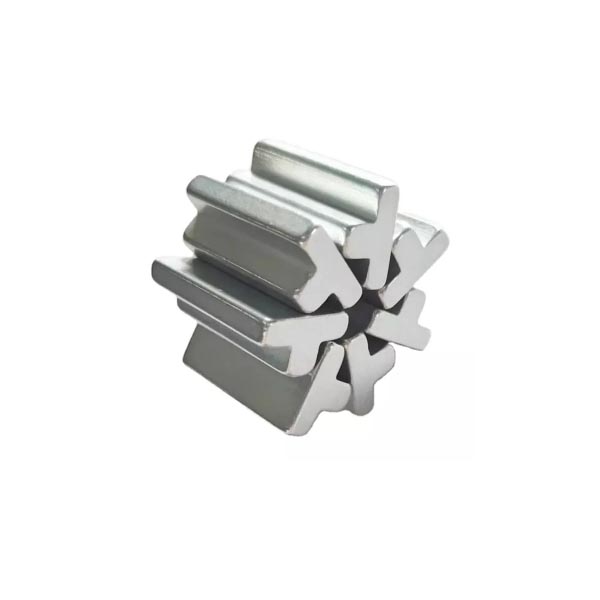
We can offer the OEM/ODM services of our products. The product can be customized according to your personalized requirements, including the size, Shape, performance, and coating. please offer your design documents or tell us your ideas and our R&D team will do the rest.
Other Types of Magnets



Post time: Nov-19-2025