
Permanent Magnet Testing: A Technician's Perspective
The Importance of Accurate Measurement
If you work with magnetic components, you know that reliable performance starts with accurate measurement. The data we gather from magnet testing directly impacts decisions in automotive engineering, consumer electronics, medical technology, and renewable energy applications.
Four Critical Performance Parameters
When we evaluate permanent magnets in the lab, we're typically looking at four critical parameters that define their capabilities:
Br: The Magnet's Memory
Remanence (Br): Picture this as the magnet's "memory" for magnetism. After we remove the external magnetizing field, Br shows us how much magnetic intensity the material retains. This gives us the baseline for the magnet's strength in actual use.
Hc: Resistance to Demagnetization
Coercivity (Hc): Think of this as the magnet's "willpower" - its ability to resist demagnetization. We break this down into Hcb, which tells us the reverse field needed to cancel out the magnetic output, and Hci, which reveals how much stronger field we need to completely erase the magnet's internal alignment.
BHmax: The Power Indicator
Maximum Energy Product (BHmax): This is the power-packed number we pull from the hysteresis loop. It represents the highest energy concentration the magnet material can deliver, making it our go-to metric for comparing different magnet types and performance levels.
Hci: Stability Under Pressure
Intrinsic Coercivity (Hci): For today's high-performance NdFeB magnets, this is the make-or-break specification. When Hci values are strong, the magnet can withstand harsh conditions - including high temperatures and counteracting magnetic fields - without significant performance loss.
Essential Measurement Tools
In practice, we rely on specialized equipment to capture these properties. The hysteresisgraph remains our laboratory workhorse, mapping out the complete B-H curve through controlled magnetization cycles. On the factory floor, we often switch to portable solutions like Hall-effect gaussmeters or Helmholtz coils for quick quality verification.
Testing Adhesive-Backed Magnets
Things get particularly nuanced when we test adhesive-backed neodymium magnets. The convenience of built-in adhesive comes with some testing complications:
Fixture Challenges
Mounting Challenges: That sticky layer means the magnet never sits quite perfectly in standard test fixtures. Even microscopic air gaps can distort our readings, requiring creative solutions for proper mounting.
Geometry Considerations
Form Factor Considerations: Their thin, bendable nature demands custom fixturing. Standard setups designed for rigid blocks simply don't work when your test sample can flex or doesn't have uniform thickness.
Testing Environment Requirements
Magnetic Isolation Requirements: Like all magnetic testing, we have to be fanatical about keeping everything non-magnetic nearby. While the adhesive itself is magnetically neutral, any nearby steel tools or other magnets will compromise our results.
Why Testing Matters?
The stakes for accurate testing are high. Whether we're qualifying magnets for electric vehicle drivetrains or medical diagnostic equipment, there's no room for error. With adhesive-backed types, we're not just checking magnetic strength - we're also verifying thermal resilience, since the adhesive layer often fails before the magnet itself in high-temperature scenarios.
The Foundation of Reliability
At the end of the day, thorough magnetic testing isn't just a quality check - it's the foundation of predictable performance in every application. The core principles stay the same across magnet types, but smart technicians know when to adapt their methods for special cases like adhesive-backed designs.
Your Custom Neodymium Magnets Project
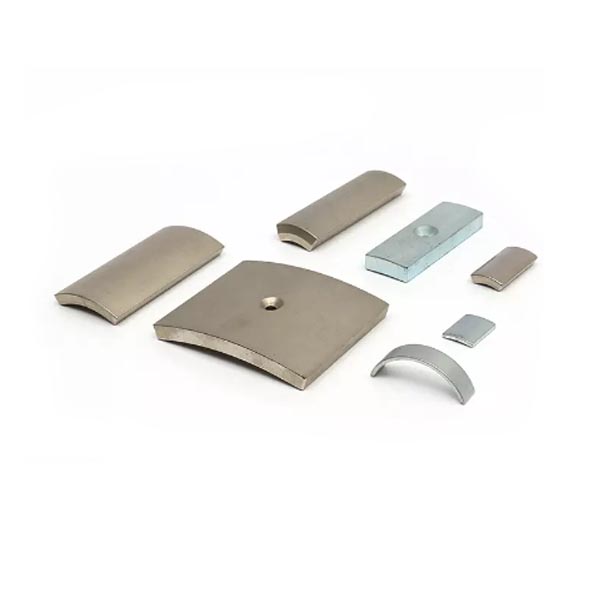
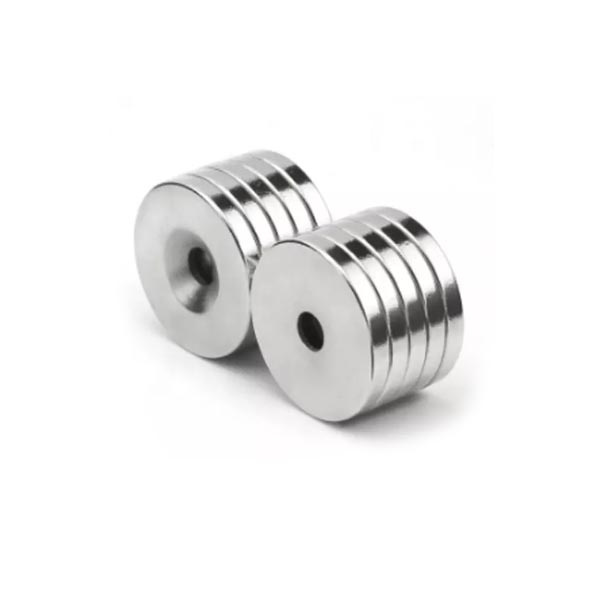
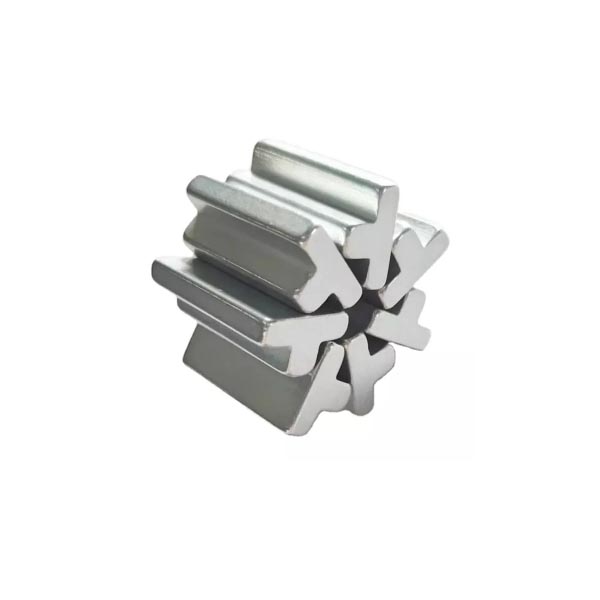
We can offer the OEM/ODM services of our products. The product can be customized according to your personalized requirements, including the size, Shape, performance, and coating. please offer your design documents or tell us your ideas and our R&D team will do the rest.
Other Types of Magnets



Post time: Oct-29-2025