
Neodymium cylinder magnets are used in many industrial and electronic products where compact size, strong magnetic force, and precise installation matter. For engineers and buyers, understanding their typical applications helps you choose the right size, magnetization, coating, and performance level for each project.
Core Key Points
Common in sensors, motors, and precision fixtures
Ideal for drilled holes, housings, and press-fit assemblies
Available in axial or diametrical magnetization
Suitable for compact electronics and medical devices
Selection should consider force, coating, and temperature
What Are Neodymium Cylinder Magnets?
Basic structure and material
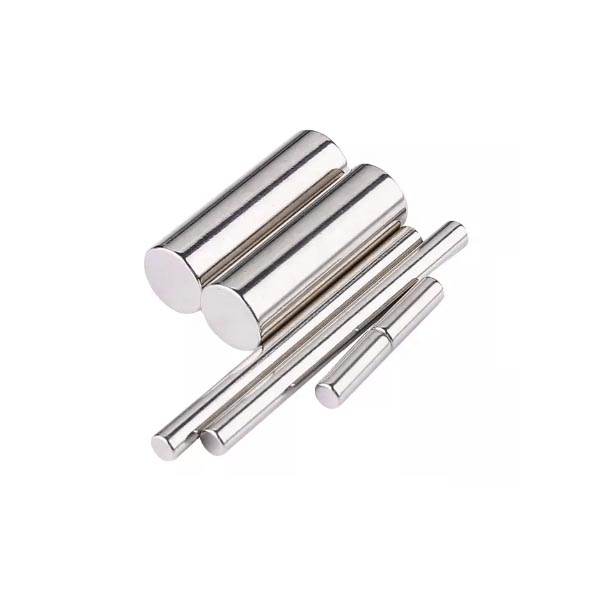
Neodymium cylinder magnets, also known as round rod NdFeB magnets, belong to the rare earth permanent magnet family. Manufactured from high-grade neodymium-iron-boron alloy, they deliver exceptional magnetic energy density among all commercially available magnet materials. Each unit is processed through strict sintering, cutting, and surface treatment to maintain stable physical properties and consistent magnetic output for long-term industrial operation.
Why the cylinder shape is widely used
The cylindrical design stands out in industrial design for unique structural advantages. Made of premium NdFeB raw material, these small round magnets combine ultra-high magnetism with a minimized footprint, perfectly meeting the trend of lightweight and miniaturized modern equipment.
Their smooth round outline allows seamless insertion into pre-drilled holes, internal sleeves, equipment housings and press-fit structures, greatly simplifying manual and automated assembly processes. Meanwhile, the regular round structure perfectly adapts to axial magnetic output design, ensuring uniform magnetic field distribution and stable adsorption or induction performance in limited installation spaces.
What Are Neodymium Cylinder Magnets Used For?
Sensors and encoders
One of the most common industrial uses for cylindrical neodymium magnets is magnetic sensing and encoding systems. They are core supporting components for Hall effect sensors, responsible for real-time rotation detection, speed monitoring and motor signal feedback.In precision encoder assemblies, small cylinder magnets provide stable magnetic field signals, helping mechanical equipment complete angle positioning, rotational counting and automatic signal induction. Their small size enables embedded installation in narrow sensor modules without affecting overall structural layout.
Motors and actuators
Compact drive equipment relies heavily on customized neodymium cylinder magnets. They are widely embedded in miniature DC motors, servo motors, micro drive motors and linear actuators.
Strong stable magnetism boosts motor energy conversion efficiency, reduces equipment energy consumption, and maintains steady torque output during long-term continuous operation. For small-sized automation drive components, this magnet shape is easier to match internal rotor and stator structural design.
Holding, retention, and magnetic closures
In mechanical assembly and daily industrial matching, these magnets serve as reliable magnetic retention and locking parts. They are commonly applied to internal component holding, magnetic switch locking, equipment door magnetic adsorption and temporary part fastening.
Different from square magnets, cylinders bear force evenly in embedded installation, avoiding edge wear and local pressure damage, and are more suitable for hidden adsorption and fixed structural design of various shell parts.
Positioning, alignment, and fixtures
Industrial processing and precision machining scenarios require high-precision positioning auxiliary parts, where cylinder neodymium magnets play an irreplaceable role. They are installed in tool jigs, machining fixtures and assembly positioning tools, providing repeatable magnetic positioning force.
Workers can quickly complete workpiece alignment, temporary fixing and batch processing positioning with the help of soft and stable magnetic attraction, improving processing accuracy and overall production efficiency for standardized manufacturing.
Medical and laboratory devices
The medical and laboratory industries have strict requirements for magnet volume, magnet stability and safety. Miniature neodymium cylinder magnets are widely used in portable medical instruments, laboratory testing equipment and miniature diagnostic devices.
With concentrated magnetic force and controllable magnetic range, they support precise local magnetic field control, meeting the compact design and safe operating standards of high-precision medical miniature equipment.
Consumer electronics and compact assemblies
A large number of small electronic products adopt embedded cylindrical neodymium magnets, including miniature speakers, high-sensitivity microphones, wearable devices and various smart home small appliances.
As built-in hidden components, they assist in sound vibration conduction, structural adsorption and functional induction. Their small size and customized specifications can flexibly adapt to the internal space constraints of diversified consumer electronic products.
Why Engineers Choose Cylinder Magnets for These Applications
Compact size with strong force
Modern industrial and electronic equipment is constantly developing toward miniaturization and integration. Cylinder neodymium magnets integrate ultra-high magnetic energy in a small volume, far exceeding the magnetic performance of ferrite magnets of the same size. It can provide strong enough adsorption and induction force in extremely narrow installation space, balancing lightweight design and functional performance.
Easy to install in drilled holes and housings
The regular circular outer diameter makes these magnets highly adaptable to standardized installation. Factories and processing plants can reserve standard round holes and sleeves in advance, realizing quick press-fit installation, glue fixing or embedded assembly. This standardized matching method reduces customized processing costs and shortens the overall equipment production cycle.
Stable magnetic direction for precise design
Manufacturers can customize axial or radial magnetization according to actual design needs. The regular cylindrical structure ensures uniform magnetic field diffusion and stable magnetic direction, avoiding magnetic deviation and performance attenuation caused by irregular shapes. This stable magnetic consistency is critical for precision sensing and automatic control equipment.
Suitable for custom assemblies
Beyond standard sizes, cylinder neodymium magnets support personalized customization of diameter, length, tolerance and magnet grade. Engineers can adjust parameters according to equipment load, installation space and working intensity. Whether for mass standardized production or small-batch special customized assemblies, this magnet style can flexibly meet diversified project demands.
How to Choose the Right Neodymium Cylinder Magnet for Your Application
Axial vs diametrical magnetization
Magnetization direction directly determines the working mode of the magnet. Axial magnetization means the magnetic pole distributes along the length direction, suitable for hole embedding and upper and lower adsorption induction. Diametrical magnetization forms magnetic poles on the side, more suitable for rotary sensing, lateral positioning and side adsorption scenarios. Confirming the magnetization mode first is the premise of correct selection.
Diameter, length, and tolerance
Overall dimension directly affects installation compatibility and magnetic strength. Longer and larger-diameter cylinder magnets have stronger pulling force, while ultra-thin and ultra-small specifications are reserved for micro devices. Industrial precision equipment needs to control dimensional tolerance within a small range to ensure smooth assembly and matching accuracy.
Pull force and air gap
Actual magnetic performance must refer to actual working pull force and reserved air gap. The magnetic force of neodymium magnets will decay rapidly with the increase of air gap. Buyers need to calculate the distance between the magnet and the attracted workpiece, and select the appropriate magnet grade and size to avoid insufficient attraction or magnetic waste.
Coating and corrosion resistance
Common surface treatments include zinc plating, nickel plating and epoxy coating. Nickel-plated magnets have better oxidation and wear resistance for indoor long-term use. Epoxy coating is more suitable for humid and slightly corrosive working environments. Reasonable coating selection can effectively extend service life and reduce later replacement costs.
Operating temperature and environment
Different neodymium grades have distinct temperature resistance limits. Ordinary N-grade magnets are suitable for normal temperature indoor environments, while high-temperature resistant grades are required for motor, mechanical friction and high-heat working scenarios. Special environments such as humidity, chemical gas and dust also need targeted protection and material matching.
When Neodymium Cylinder Magnets May Not Be the Best Choice
High-temperature environments
Although high-temperature resistant neodymium materials are available, conventional cylinder NdFeB magnets are prone to irreversible demagnetization in long-term high-temperature working conditions. For industrial equipment that runs stably above 80–100°C for a long time, alnico or ferrite high-temperature resistant magnets are more cost-effective and stable.
Corrosive or outdoor environments
Unprotected neodymium materials are easy to oxidize and rust. In long-term outdoor exposure, strong acid and alkali, or high-humidity corrosive scenes, even conventional coatings are difficult to maintain long-term stability. Special anti-corrosion overall sealing treatment or alternative magnet materials are recommended for such scenarios.
Projects that require custom magnetic assemblies
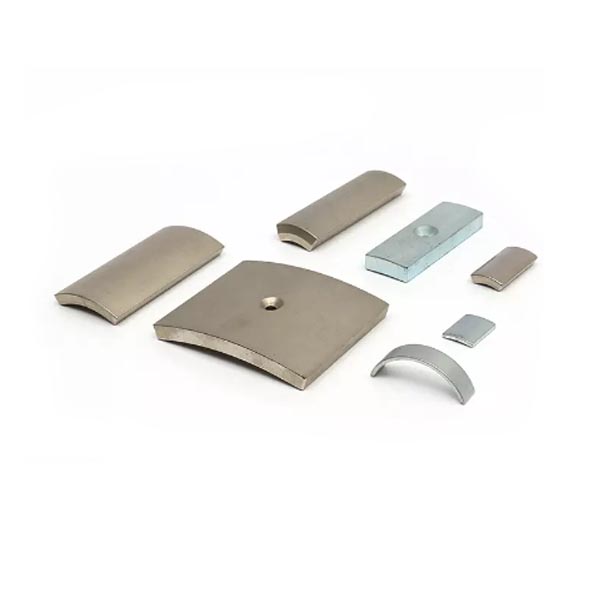
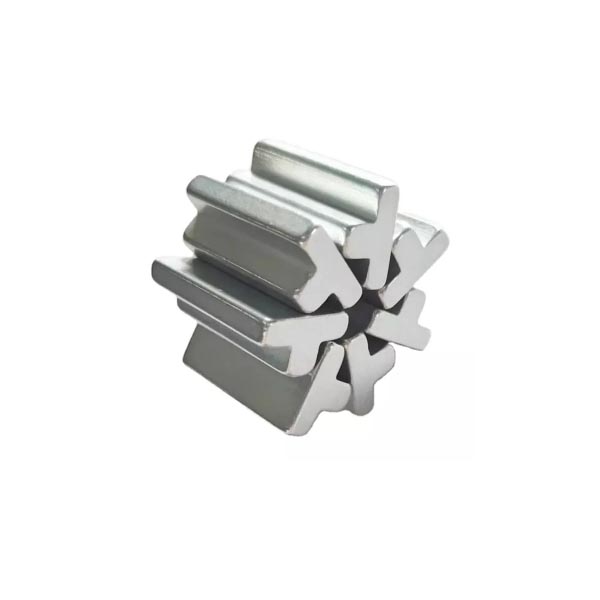
If the project needs complex multi-magnet combination, special-shaped magnetic circuit design or large-area integral adsorption, single cylinder magnets cannot meet the structural demand. Combined magnetic assemblies, spliced magnet groups or special-shaped customized magnets are more in line with overall design goals and functional requirements.
Conclusion: Match the Magnet Shape to the Function
Neodymium cylinder magnets have become a core basic component in modern industry, electronics, medical and automation fields by virtue of their compact size, powerful magnetism, easy installation and flexible customization. From high-precision sensor induction and micro motor drive to daily structural fixing and workpiece positioning, their diversified application scenarios fully reflect the unique advantages of cylindrical permanent magnets.
The key to reasonable application lies in matching magnet specifications with actual functional demands. Clarifying magnetization direction, working temperature, installation mode and environmental conditions can help engineers and purchasers avoid selection errors. If you need customized size, coating, magnetization or high-precision industrial-grade neodymium cylinder magnets, you can check our full product range and customized solutions to get professional magnetic material support for your project.
Your Custom Neodymium Magnets Project
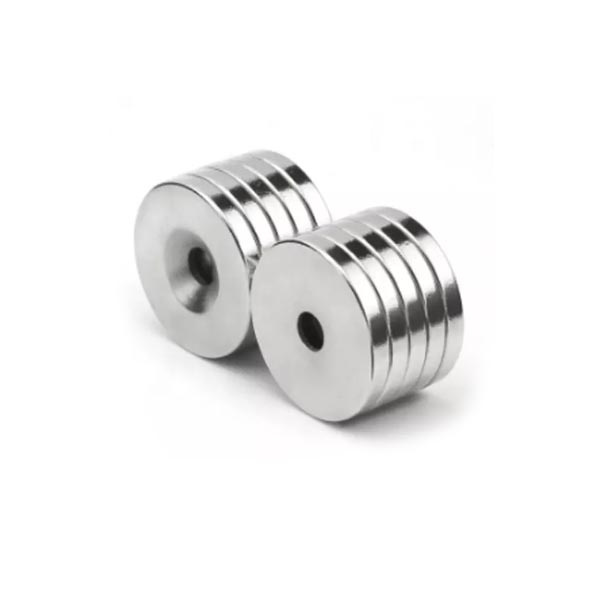
We can offer the OEM/ODM services of our products. The product can be customized according to your personalized requirements, including the size, Shape, performance, and coating. please offer your design documents or tell us your ideas and our R&D team will do the rest.
Other Types of Magnets



Post time: Apr-24-2026