
In industrial equipment production and electronic component manufacturing, precise dimensional control stands as one of the most critical factors for stable magnetic operation. Cylinder magnets are widely adopted in motors, sensors, positioning fixtures and compact electronic assemblies, where even minor deviations in diameter or length can weaken magnetic consistency, cause assembly failures and reduce overall equipment service life.
At Fullzen Technology, we deliver practical, manufacturing-focused guidance to help designers and buyers accurately define cylinder magnet dimensions according to real working conditions. By mastering standard dimension rules, tolerance ranges and measurement methods, you can streamline component selection, lower assembly risks and enhance long-term product reliability. This article breaks down core dimension logic, key influencing factors, professional measurement skills and real industrial application cases for practical reference.
Core Key Points
Learn practical methods to confirm and calculate cylinder magnet diameter and length for industrial assembly. Discover how different magnetization modes change dimension matching requirements. Master tolerance management and accurate measurement skills to avoid fitting issues. Draw on real engineering cases from Fullzen Technology. Quickly locate suitable magnet specifications through our dedicated product page.
Understanding Cylinder Magnet Dimensions
Cylinder magnets feature a simple round structure, yet their basic dimensions directly decide installation compatibility and magnetic output. Diameter and length are the two core indicators that designers must confirm first, and each parameter carries unique functional significance in mechanical matching and magnetic performance exertion. Reasonable dimension definition lays a solid foundation for seamless press fitting, hole installation and modular assembly.
What Diameter Means for Your Application
The diameter of a cylinder magnet refers to the transverse cross-section width, which mainly matches the inner size of mounting holes, housing cavities and reserved assembly gaps. A reasonable diameter ensures smooth insertion and firm fixation without excessive extrusion or loose clearance. Too large a diameter will lead to forced installation and surface coating damage, while an undersized size causes shaking, offset and unstable magnetic spacing. For industrial sensing and rotating equipment, precise diameter control is also essential to maintain uniform rotational clearance and consistent signal feedback.
How Length Affects Magnetic Performance
Magnet length corresponds to the longitudinal size and closely relates to magnetic coverage and overall magnetic flux. Longer cylinder magnets provide larger magnetic action areas and stronger overall holding force, ideal for linear actuation and stable positioning scenarios. Shorter styles fit ultra-thin and miniaturized electronic devices with limited installation space. Beyond structural matching, length also coordinates with magnetization direction to adjust magnetic field distribution, ensuring the magnetic force output matches the actual mechanical movement logic of the equipment.
Common Mistakes in Measuring
Many purchasing and engineering teams encounter dimension errors due to non-standard measurement operations. Common issues include measuring outer edges with worn calipers, ignoring coating thickness during data recording, and confusing overall length with effective magnetic section size. In addition, irregular cutting edges and slight deformation after sintering will also interfere with data accuracy. These trivial measurement errors will eventually be amplified in mass production, resulting in batch assembly adaptation problems and unnecessary replacement costs.
Factors Affecting Dimension Selection
Defining accurate diameter and length cannot rely solely on installation space data. Multiple variables including magnetization methods, production tolerances and surface coatings will change the final applicable dimension range. Comprehensive consideration of multiple influencing factors helps avoid repeated sample modification and short-distance adjustment in later stages.
Magnetization Direction: Axial vs Radial
Magnetization mode is a decisive factor restricting dimension selection. Axial magnetization takes the length direction as the magnetic pole orientation, so the length size needs to be prioritized to meet magnetic stroke and linear adsorption demands. Radial magnetization, also known as diametric magnetization, arranges magnetic poles on both sides of the diameter, requiring stricter diameter roundness and size accuracy to ensure stable rotation and lateral induction. Different magnetic layouts require targeted dimension matching to prevent magnetic field deviation and reduced working efficiency.
Tolerance and Manufacturing Accuracy
Sintered neodymium magnets have natural production tolerance ranges due to material characteristics and processing techniques. Conventional standard tolerances meet general industrial assembly, while high-precision machinery and automated testing equipment need tightened tolerance standards. When customizing dimensions, it is necessary to clarify tolerance requirements in advance, so manufacturers to control cutting, grinding and finishing processes accordingly. Clear tolerance communication is the key to ensuring consistent dimensions in bulk orders.
Coating Considerations
Protective coatings such as nickel, zinc and epoxy add a thin protective layer on the magnet surface, which will slightly increase the overall outer diameter and length. For high-precision gap assembly, the coating thickness must be included in the overall dimension calculation. Ignoring the size increment brought by surface treatment often leads to tight installation in reserved holes. Selecting appropriate coating types and reserving reasonable assembly margins can effectively balance corrosion resistance and dimensional matching.
Practical Tips for Engineers
For mechanical engineers, product designers and procurement specialists, standardized dimension selection and detection methods can greatly improve project progress. Combining manufacturer’s professional guidelines and industry mature cases can effectively reduce trial and error costs in the design stage.
Using Fullzen Technology Guides for Accurate Selection
As a professional manufacturer of custom rare earth magnets, Fullzen Technology provides complete dimension selection standards and custom specification support. You can refer to our parameter guidelines to quickly match the most suitable diameter and length according to installation space, magnetic force demand and working environment. Our technical team also offers one-on-one dimension verification suggestions for special non-standard projects, ensuring every customized cylinder magnet fully fits your design drawings. You can browse complete specifications and custom solutions through our neodymium cylinder magnets product page.
Case Examples in Motor and Sensor Applications
In small servo motors and drive motors, narrow-diameter and medium-length cylinder magnets are widely used to cooperate with rotor operation, requiring high roundness and dimension stability. In Hall sensors and rotary encoders, short and compact cylindrical sizes ensure sensitive magnetic signal induction and accurate data transmission. Fixture positioning and mechanical clamping equipment usually adopt medium-diameter specifications to balance holding force and installation convenience. These mature application cases provide clear dimension reference for new product development.
Recommended Measuring Tools
To obtain accurate diameter and length data, professional measuring tools are essential. Vernier calipers are suitable for daily rapid detection of conventional sizes, while micrometers are used for high-precision dimension inspection. For batch incoming inspection, fixed measuring fixtures and digital dimension testing equipment can improve detection efficiency and data uniformity. Regular calibration of measuring tools can effectively avoid systematic errors and maintain long-term measurement accuracy.
Related Products and Custom Options
Cylinder magnets are available in standard and fully customized specifications to adapt to diversified industrial needs. When conventional sizes cannot meet design requirements, personalized dimension adjustment and shape replacement are reliable solutions.
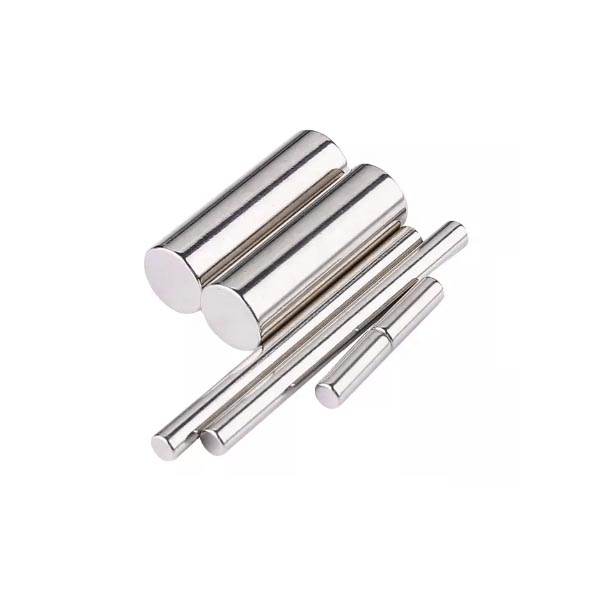
Custom Neodymium Cylinder Magnets
Standard cylinder magnet sizes cannot cover all special assembly scenarios. Fullzen Technology supports fully customized diameter, length, tolerance and magnetization direction, serving special machinery, medical equipment and intelligent electronic industries. Whether it is ultra-fine small-size magnets or thickened heavy-duty styles, we can complete personalized production according to drawings and parameter requirements. You can select the right magnet that perfectly matches your project parameters through our custom service channel.
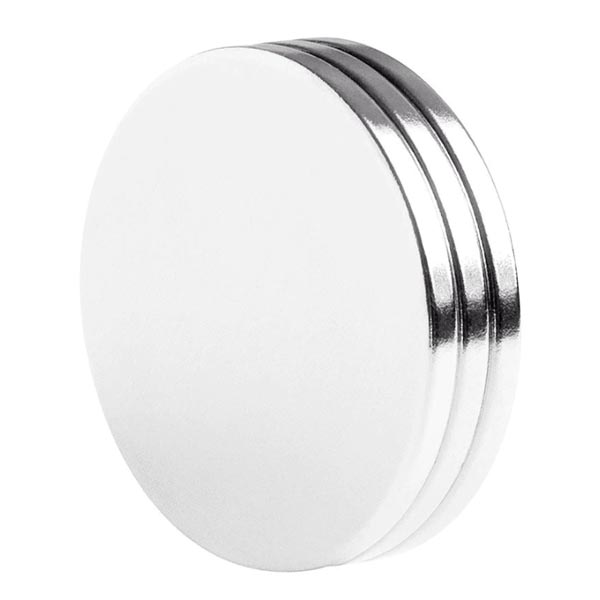
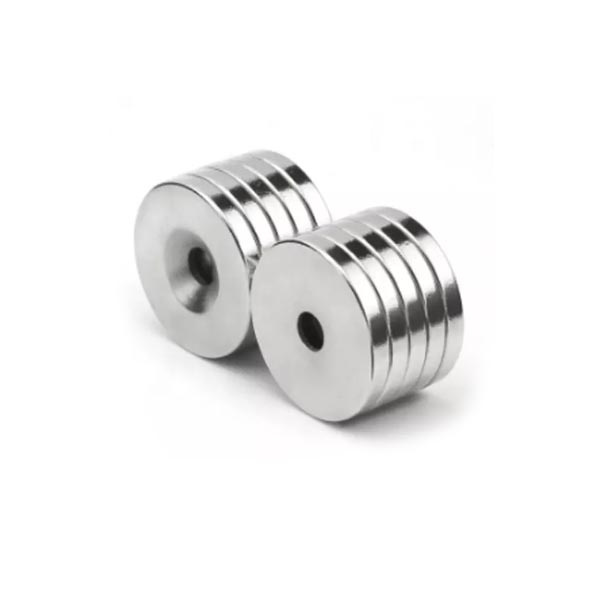
Neodymium Disc Magnets
Disc magnets share similar round structural features with cylinder magnets, with a flatter thickness design. They are more suitable for flat installation, surface adsorption and thin-type equipment, serving as an alternative when the length of cylinder magnets is limited.
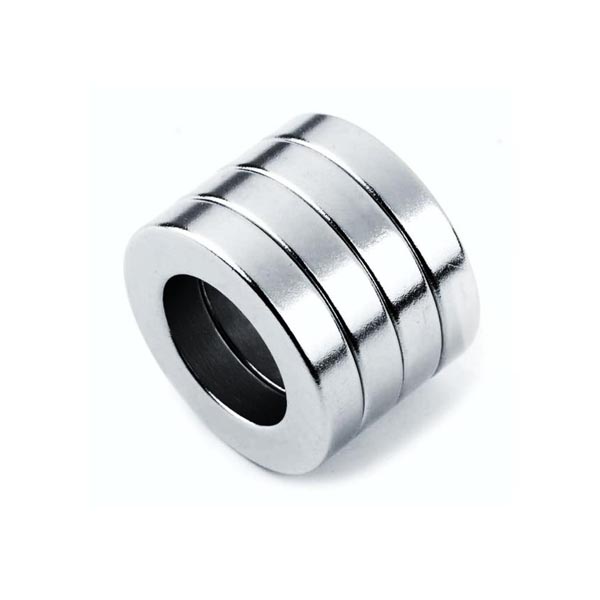
Neodymium Ring Magnets
Ring magnets with hollow structures are applied in shaft sleeve assembly and loop magnetic field design. Their inner diameter, outer diameter and thickness parameters follow similar dimension definition logic, providing more structural choices for special magnetic circuit design.
Conclusion
Accurately defining the diameter and length of cylinder magnets is the core step to ensure assembly coordination and stable magnetic performance. Designers need to comprehensively consider installation space, magnetization direction, manufacturing tolerance and coating influence, and avoid common measurement errors in daily operation. Reasonable dimension matching, standardized detection methods and reference to mature industry cases can greatly optimize the overall design quality.
With rich custom production experience and strict quality control, Fullzen Technology provides reliable cylinder magnet solutions for global industrial customers. Explore our range of neodymium cylinder magnets to get tailored dimension suggestions and stable high-quality magnetic components for your next project.
Your Custom Neodymium Magnets Project
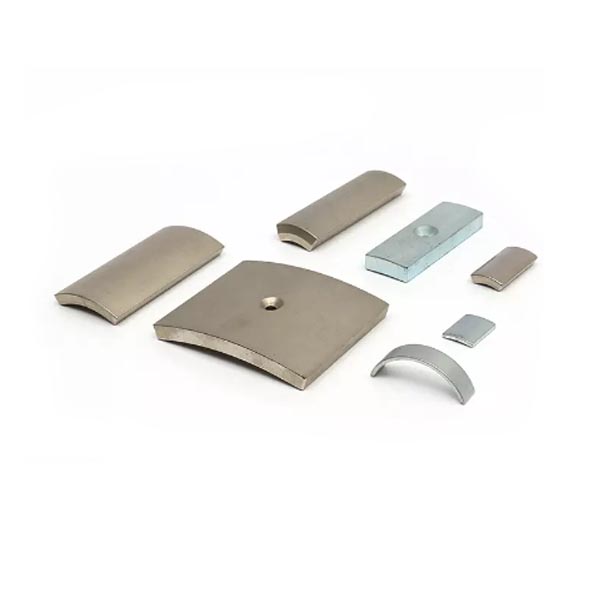
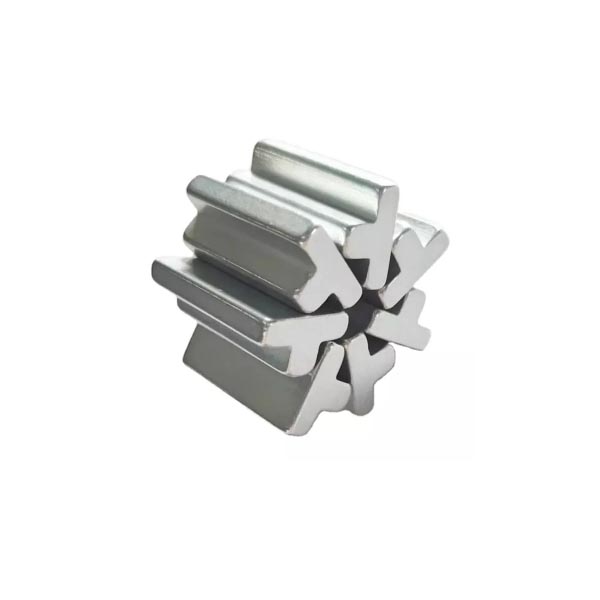
We can offer the OEM/ODM services of our products. The product can be customized according to your personalized requirements, including the size, Shape, performance, and coating. please offer your design documents or tell us your ideas and our R&D team will do the rest.
Other Types of Magnets



Post time: Apr-29-2026