
At Fullzen Technology, we are frequently asked about the differences between cylinder magnets and disc magnets. Understanding their structural design, magnetization methods, and typical applications allows you to pick the ideal magnet quickly while improving your equipment performance and reliability. In this guide, we compare these two popular magnet shapes in detail to help you make the best selection for your project.
Structure and Shape Comparison
Core Features of Cylinder Magnets
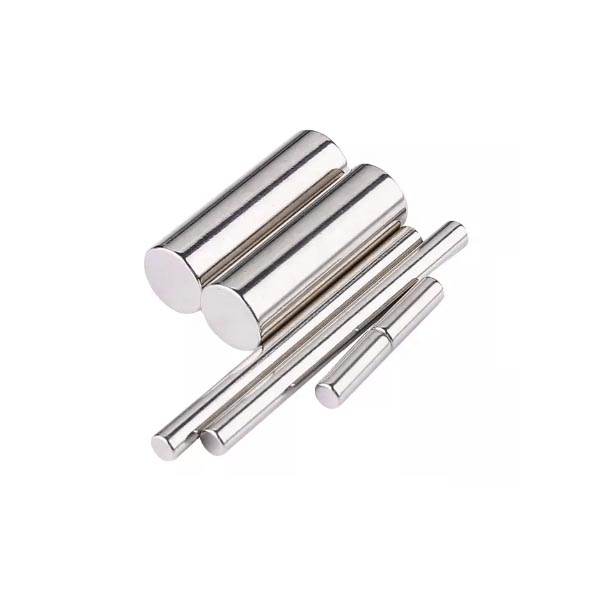
Cylinder magnets feature a straight round bar structure with equal diameter and extended length. Their overall profile is tall and columnar, with consistent circular cross-sections from top to bottom. This solid elongated structure gives them outstanding mechanical stability and easier installation into circular grooves, shaft fittings, and deep embedded positions. Most cylinder neodymium magnets support precise cutting, grinding, and plating treatment, making them highly adaptable for custom dimensional requirements.
Core Features of Disc Magnets
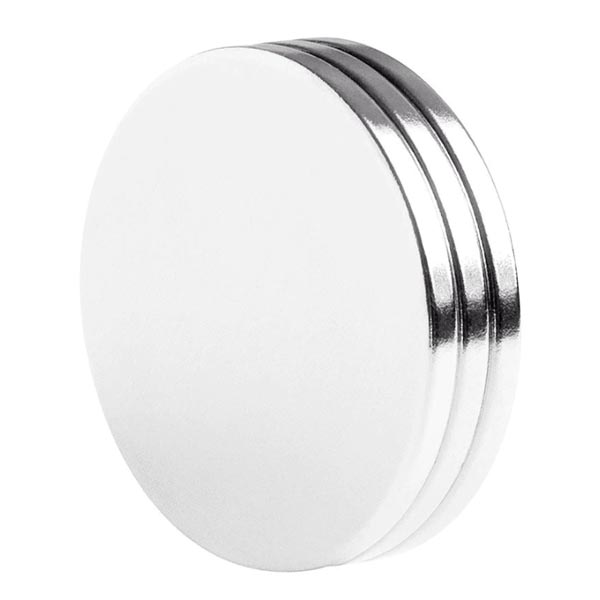
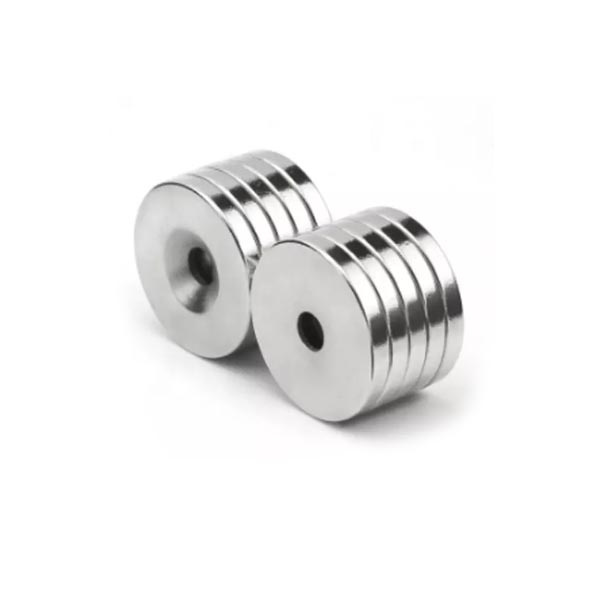
Disc magnets appear flat and wafer-like, with a much smaller thickness compared to their diameter. Their flat circular design provides a large surface area on both top and bottom sides, ideal for surface mounting, flush installation, and limited-height assembly spaces. Disc magnets are the most common standard shape in the neodymium magnet market, ready for mass stock supply and simple integration into compact electronic components.
Which Shape Suits Your Project Better?
Choose cylinder magnets when your design requires embedding, shaft matching, deeper assembly, and stronger vertical magnetic force. Opt for disc magnets if your application has strict height limits, needs flat surface attachment, or requires uniform magnetic distribution over a wide circular area. Project installation space and assembly method are the two most straightforward criteria to narrow down your choice quickly.
Magnetization Mode and Performance Comparison
Axial Magnetization vs Radial Magnetization
Both cylinder and disc magnets mainly adopt axial magnetization by default, meaning magnetism runs from the top face to the bottom face. For special designs, cylinder magnets can support radial magnetization, where magnetic poles distribute along the outer circle surface. Disc magnets rarely use radial magnetization due to their flat thickness limitation. The difference in magnetization direction directly determines how the magnet attracts, repels, and fits with surrounding metal parts.
Magnetic Strength and Durability Differences
Under the same grade and diameter specification, cylinder magnets deliver stronger overall magnetic flux thanks to their longer magnetic circuit path. Disc magnets offer stable surface magnetic strength but weaker deep magnetic penetration. In terms of durability, both shapes share identical anti-corrosion performance after zinc or nickel plating. However, cylinder magnets resist physical impact better during installation, while thin disc magnets require more careful handling to avoid chipping or cracking.
Real Application Scenarios
Industrial Machinery & Equipment Manufacturing
In automated machinery, motor assemblies, and transmission equipment, cylinder magnets are widely used for shaft positioning, magnetic coupling, and fixed sensing points. Their columnar shape fits perfectly into motor rotor structures and mechanical positioning holes. Disc magnets are commonly applied to equipment surface adsorption, fixed base mounting, and auxiliary magnetic positioning for light industrial machinery.
Electronics and Sensor Industry Applications
Small-sized disc magnets dominate consumer electronics, including wireless charging modules, loudspeakers, wearable devices, and miniature sensors. Their thin flat design fits ultra-thin product layouts. Cylinder magnets are more often used in precision sensors, micro-motors, and medical electronic components where concentrated magnetic force and embedded installation are necessary.
Custom Requirements & Fullzen Technology Solutions
Many standard-sized cylinder and disc magnets cannot fully meet special structural or performance demands. When you have non-standard dimensions, special magnetization angles, or unique plating needs, you can turn to custom neodymium magnets tailored exactly to your design parameters. Fullzen Technology provides one-stop solutions from prototype drawing confirmation, sample production to mass delivery for all customized magnet projects.
How to Choose Correctly & Related Resource Guide
Cylinder Magnet Selection Guide
When selecting cylinder magnets, focus on magnet grade, diameter-to-length ratio, magnetization direction, plating type, and working temperature. Confirm installation hole size and assembly depth first to avoid dimensional mismatch. If you are unsure about grade selection or magnetic performance parameters, our engineering team can provide free professional selection suggestions.
Disc Magnet Selection Guide
Disc magnets prioritize diameter, thickness tolerance, and surface magnetic consistency. Most conventional electronic and sensor projects adopt standard stock sizes of neodymium disc magnets to shorten lead time and control procurement costs. Flat installation space, load-bearing adsorption force, and operating environment temperature are the key factors you need to confirm before ordering.
Ring Magnet Reference for Special Applications
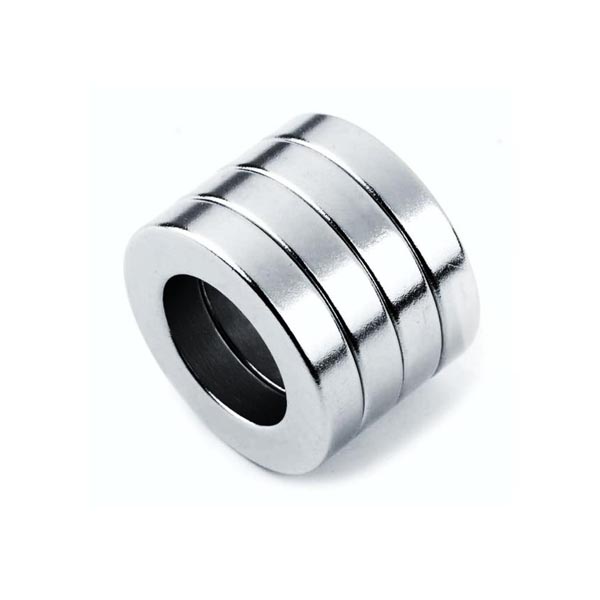
If your project requires shaft penetration, hollow assembly, or symmetrical magnetic distribution around a central hole, conventional cylinder and disc magnets cannot satisfy the design. Neodymium ring magnets feature a hollow round structure, perfectly suited for motor rotors, magnetic sensors, and special positioning scenarios where middle space must be reserved.
Summary and Professional Advice
To sum up, cylinder magnets excel in embedded installation, concentrated magnetic force, and shaft matching structures, while disc magnets perform better in ultra-thin layout, surface mounting, and mass standard applications. There is no absolute better shape — the right choice always depends on your installation space, assembly method, magnetic force requirement, and product working environment.
If you are confused about shape selection, grade matching, or magnetization direction, feel free to reach out to Fullzen Technology. Our professional engineering and sales team will analyze your application demands and recommend the most cost-effective magnet solution for your project
Your Custom Neodymium Magnets Project
We can offer the OEM/ODM services of our products. The product can be customized according to your personalized requirements, including the size, Shape, performance, and coating. please offer your design documents or tell us your ideas and our R&D team will do the rest.
Other Types of Magnets



Post time: May-11-2026