
What Actually Gives a Magnet Its Strong Performance?
When technical specialists refer to a magnet as “strong,” they’re seldom fixated on one isolated number from a spec sheet. True magnetic strength comes from the interaction of multiple properties in real-world situations—and it’s this mix that separates theoretical performance from effectiveness you can rely on in practice.
Several interconnected factors determine actual magnetic performance:
First is remanence (Br), which quantifies the magnetic flux a magnet retains once it’s removed from its magnetizing field. Think of it as the magnet’s inherent “sticking base”—the foundational ability it has to cling to ferromagnetic materials long after the initial magnetization process ends. Without sufficient remanence, even a magnet designed for strength will struggle to maintain a hold in day-to-day use.
When you stack up all permanent magnets available today, neodymium varieties consistently come out ahead of traditional options like ferrite and alnico across all these measurements.
The Science Behind Neodymium's Superiority?
Since hitting the scene in the 1980s, neodymium magnets have revolutionized design possibilities where space is tight but magnetic power can't be compromised. Their exceptional capabilities originate deep within their atomic architecture:
The distinctive tetragonal crystal arrangement in NdFeB generates what materials scientists term magnetocrystalline anisotropy. In practical terms, this means the internal magnetic structures naturally organize along a preferred direction, creating remarkable field intensity.
These magnets bring both substantial remanence and notable coercivity to the table, enabling them to sustain strong magnetic fields while standing up to demagnetization pressures. This balanced performance proves particularly useful in dynamic applications where conditions rarely stay perfect.
neodymium magnets dramatically outclass samarium-cobalt, alnico, and ferrite competitors. This impressive energy compression lets engineering teams develop more compact, energy-efficient solutions.
Why Rectangular Shapes Work So Well?
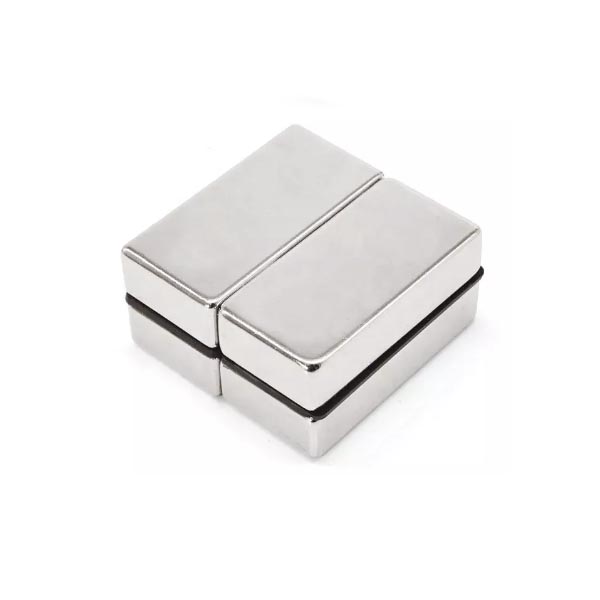
Rectangular neodymium magnets have emerged as favorites across diverse fields where spatial efficiency must coexist with robust performance requirements. Their block-like geometry provides several tangible benefits:
Substantial flat surfaces maximize contact with ferromagnetic materials, creating stronger adhesion than curved or irregular shapes can typically achieve.
Clean lines and sharp corners streamline integration into both industrial equipment and consumer products, simplifying mounting and alignment.
The market offers rectangular neodymium magnets in numerous performance grades (commonly N35 to N52) alongside various coating selections (like nickel, zinc, and epoxy) to address different operational environments.
Manufacturing Methods Explained
Producers generally fabricate neodymium magnets through one of two established routes:
The sintering approach begins by melting raw elements, converting them to fine powder, compacting under magnetic orientation, then sintering and precision machining. This path achieves peak magnetic performance but demands rigorous control over microscopic grain formation throughout creation.
Bonded magnet production blends magnetic particles with plastic binders before molding. The output magnets, though less fragile and more shape-adaptable, usually demonstrate lower magnetic output compared to sintered versions.
For rectangular neodymium magnets, industrial producers lean heavily toward sintering methods because this technique preserves exact dimensions while guaranteeing uniform high-grade results - two must-haves for professional applications.
Critical Practical Factors
While specification sheets provide helpful guidance, real installation environments introduce additional variables:
Conventional neodymium magnets begin experiencing permanent magnetic degradation once temperatures surpass 80°C. For warmer settings, manufacturers formulate special grades that include dysprosium or terbium additives.
Bare NdFeB magnets remain susceptible to rust and corrosion. Protective surfaces transition from optional extras to mandatory features, particularly in damp or chemically active surroundings.
Despite their magnetic might, neodymium magnets exhibit noticeable brittleness. Careless handling or impact during setup can produce chips or fractures, demanding deliberate installation practices.
Proven Application Areas
The potent marriage of strong magnetic output and space-efficient design makes rectangular neodymium magnets perfectly suited for many uses:
Electronics firms embed them in speakers, storage devices, and sensors where internal real estate is scarce.
Factory automation systems build them into separation equipment, precision handling devices, and position tracking components.
Vehicle engineers select them for electric steering mechanisms, EV powertrains, and sensing operations.
Wind power projects utilize them within generator stacks where dependability and power concentration count.
Medical device developers incorporate them into imaging systems and specialized operating instruments.
Smart Selection Strategies
Picking the ideal magnet involves juggling multiple aspects:
Though premium grades provide more strength, they often demonstrate greater fragility. Occasionally choosing a somewhat bigger, lower-grade magnet yields superior longevity and economic sense.
The working surroundings should determine coating choices. Developers must assess potential contact with wetness, corrosive substances, and physical abrasion when picking protective finishes.
Partner with producers who deliver authentic samples, back comprehensive prototyping, and share technical knowledge to refine designs for both performance and security.
Essential Safety Practices
The notable strength of these magnets brings specific handling demands:
Their intense attraction can produce serious pinch wounds or generate projectile fragments if magnets collide during manipulation.
Store powerful magnets away from electronics, implanted medical devices, and magnetic storage to prevent possible harm or disruption.
Consistently employ proper safety gear - specifically impact-resistant eyewear and industrial gloves - when mounting or managing these magnets.
The Real Measure of Magnetic Strength
A truly "powerful magnet" provides more than attractive laboratory numbers - it delivers reliable performance under actual working circumstances. Rectangular neodymium magnets have deservedly gained their status as preferred components for uses demanding significant magnetic force, compact proportions, and configuration versatility. By completely grasping their strengths, constraints, and ideal implementations, technical specialists and purchasing agents can reach informed conclusions that boost both product dependability and functionality.
For specialized magnetic implementations - particularly those employing rectangular neodymium magnets - forming cooperative relationships with experienced magnet providers usually produces superior outcomes regarding both technical performance and project value.
Your Custom Neodymium Magnets Project
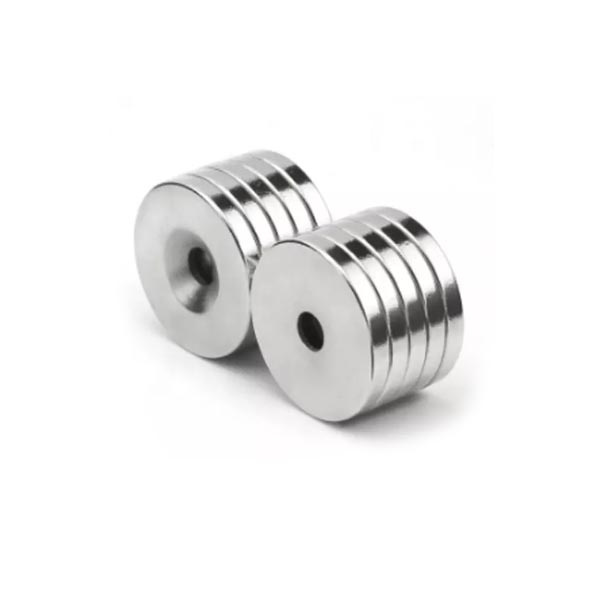
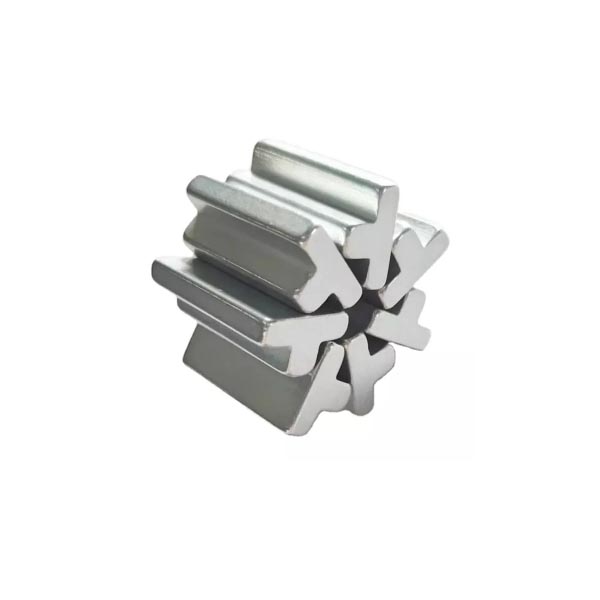
We can offer the OEM/ODM services of our products. The product can be customized according to your personalized requirements, including the size, Shape, performance, and coating. please offer your design documents or tell us your ideas and our R&D team will do the rest.
Other Types of Magnets




Post time: Nov-12-2025