
As an experienced neodymium magnet manufacturer with over 12 years’ OEM service, Fullzen Technology receives numerous inquiries from automotive, sensor and motor engineers looking for matching disc rare earth magnets. Improper magnet size, grade or magnetization often leads to unstable sensor signal or low motor efficiency. In this guide, we classify mainstream sensors and motor types one by one, list matched disc magnet parameters with actual measured pull force data, and provide easy-to-use computing formulas. We also support customized size, coating and magnetization to satisfy unique industrial design requirements, with RoHS & REACH certified products available for global bulk orders and prototype sampling.
Core Matching: Disc Magnet for Three Main Sensor Categories
Hall Effect Sensor Recommended Disc Magnet Specs
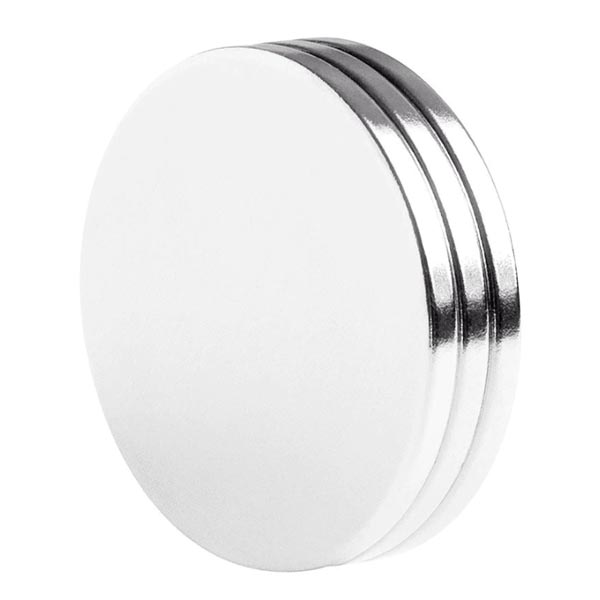
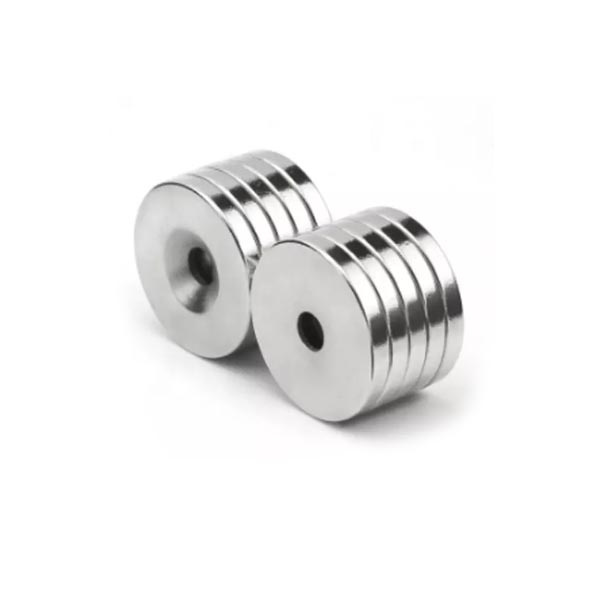
Hall-effect position and speed sensors dominate automotive and industrial automation assemblies, relying on compact disc neodymium to trigger consistent magnetic field induction. For most low-frequency PCB-mounted Hall modules, our engineers commonly suggest disc dimensions ranging from 2mm to 12mm in diameter with 1mm~5mm thickness; standard N35 or N42 sintered grades strike a balanced spot between magnetic output and raw material expense. Axial magnetization remains the default pick for vertical installation, while thinner nickel plating prevents surface rust inside sealed sensor housings. Automotive-grade Hall sensors deployed under engine bays upgrade to N35SH high-temperature variants to resist cyclic heat fluctuation without irreversible demagnetization.
Reed Switch Sensor Neodymium Disc Selection Standard
Small-form reed switches widely apply to door position detection, household appliance safety locks and compact flow monitoring gear. Unlike Hall counterparts, reed components need concentrated local magnetic flux to drive internal metal contact closure, so slightly thicker disc magnets become preferred. Most regular reed layouts adopt Ø3~Ø8mm discs with thickness from 2mm up to 4mm; basic N35 grade works well for indoor ambient-temperature setups, and epoxy coating replaces nickel when devices face humid workshop surroundings. Designers should avoid oversized magnets as excessive magnetism may cause adjacent reed false triggering across nearby circuit channels.
MR Sensor Rare Earth Disc Magnet Matching Rule
Magnetoresistive (MR) sensors deliver superior precision for high-speed rotational counting in precision instruments and new-energy vehicle control units, demanding stable, uniform magnetic flux around sensing chips. Our on-site application cases prove Ø4mm to Ø10mm disc magnets paired with N42 or N45 grade deliver ideal working conditions; controlled axial magnetizing guarantees even field distribution around MR detection surfaces. For compact embedded MR modules with limited internal space, we shrink disc thickness down to 1.2mm while slightly boosting grade to offset reduced magnetic volume.
Disc Magnet Selection for Different Types of Industrial Motors
BLDC Brushless DC Motor Disc Magnet Grade & Magnetization
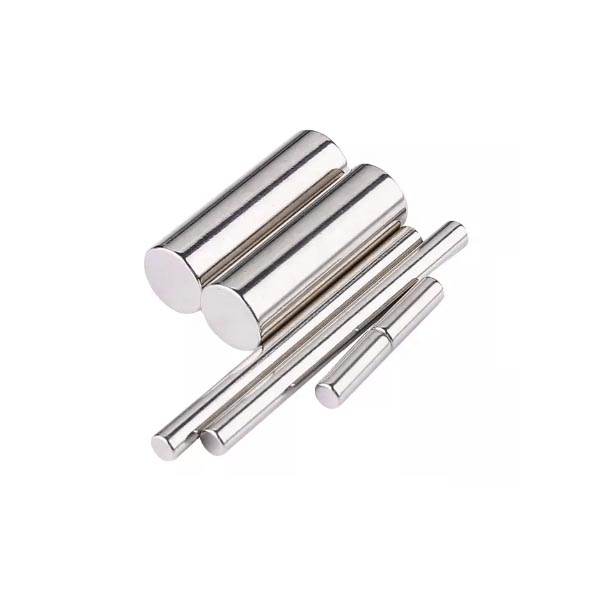
Small-sized outer-rotor BLDC motors for household fans, small water pumps and portable power tools frequently embed disc neodymium onto rotor frames. Axial magnetization suits axial-flux BLDC constructions, whereas short cylindrical disc formats fit conventional radial-flux inner rotor layout. N35 and N42 stay mainstream for normal ambient-temperature BLDC, and N38SH high-temperature grade is reserved for motors running under continuous 120℃ working heat. Besides standalone disc pieces, cylinder neodymium magnets for miniature motor rotor serve as alternative options when designers need longer magnet height to lift overall motor torque.
Stepper Motor Custom Disc Dimension Suggestion
Micro stepper motors for medical equipment, office printers and precision lab equipment commonly employ small disc magnets fixed on central rotor shafts. Fixed standard disc specs cover Ø2mm~Ø6mm diameter range, yet many bespoke stepper projects require non-standard outer diameter or thickness adjustments according to rotor cavity size. When pre-set standard sizes fail to fit mechanical space constraints, clients can turn to flexible custom dimension schemes we arrange during prototype development.
Servo Motor High Temperature Resistant Disc Magnet Option
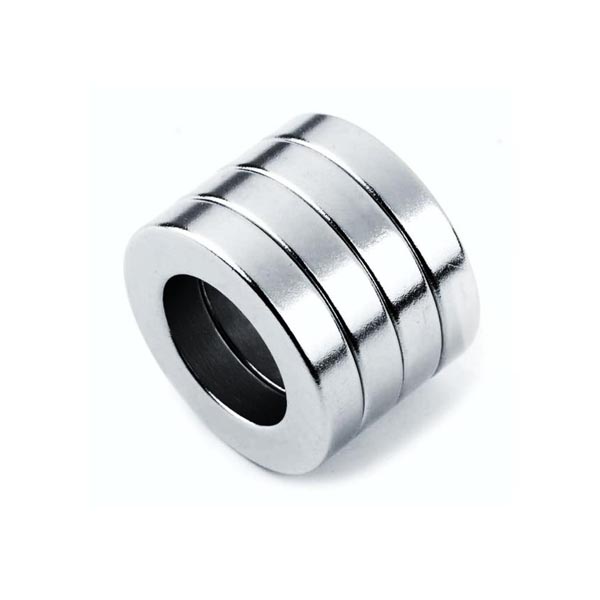
Miniature closed-loop servo motors used in robotic joints and automated production spindles ask for heat-resistant disc magnets to sustain intermittent high-load operation. High-end servo builds adopt N35UH or N40UH ultra-high-temperature grade discs coated with dense nickel triple-layer protection. For large-frame industrial servo equipment with hollow rotor structure, annular ring rare earth magnets for large servo equipment often pair with disc sets to optimize rotor magnetic circuit design.
Magnet Grade & Surface Coating Selection Guide by Working Environment
N35/N42/N45/N52 Performance & Cost Contrast
We regularly receive grade selection confusion from overseas design teams, so Fullzen sorts core performance gaps among four mainstream commercial disc grades. N35 owns the most competitive unit cost for non-critical indoor sensor and low-load motor assemblies; N42 balances magnetic energy product and pricing for most medium-performance automation projects. N45 upgrades residual flux for high-precision MR sensors and high-efficiency small BLDC; top-tier N52 features maximum Br value yet comes with noticeably higher raw material expense, mainly limited to compact ultra-small devices where magnet installation space is extremely tight. High-temperature SH/UH series fall outside this regular list and get quoted separately upon client’s thermal parameter requests.
Nickel/Epoxy/Zinc Coating Applicable Scenarios
Triple-layer nickel plating ranks as our most popular surface finish for export-grade disc magnets, resisting oxidation under regular indoor and moderately humid workshop conditions to match EU RoHS inspection standards. Epoxy coating stands out for outdoor or splash-prone equipment like garden equipment sensors and vehicle exterior components, providing thicker isolation against rainwater and corrosive mist. Low-cost zinc plating only applies to indoor disposable low-demand assemblies that face no strict long-term anti-corrosion requirements, rarely recommended for formal export projects targeting European and North American markets.
Disc Magnet Pull Force Calculation & Real Measurement Data
Simplified Pull Force Calculation Formula for Design Reference
While professional magnetic simulation software delivers most accurate flux and pull force data, our technical team summarizes a simplified empirical formula for engineers’ preliminary pre-design estimation without complex simulation setup. Rough pull force (kg) ≈ Disc contact area(cm²) × Remanence coefficient; the coefficient fluctuates based on grade and air gap distance between magnet and attracted metal piece. Air gap enlargement directly cuts down actual pull output sharply, a detail many rookie designers overlook in early-stage layout planning.
Fullzen Lab Actual Test Data of Common Size Disc Magnets
Our in-house testing lab finishes regular pull force sampling for mainstream stocked disc dimensions under fixed room temperature and zero air gap conditions. For example, Ø5×3mm N35 nickel-coated disc hits roughly 1.1kg pull force; Ø8×4mm N42 disc reaches around 2.3kg measured traction. All lab test reports can be attached alongside commercial invoices for customs clearance and client’s incoming factory inspection to satisfy global supplier audit requirements.
Customized Disc Magnet OEM Service from Fullzen Technology
Custom Size, Magnetization & Tolerance Support
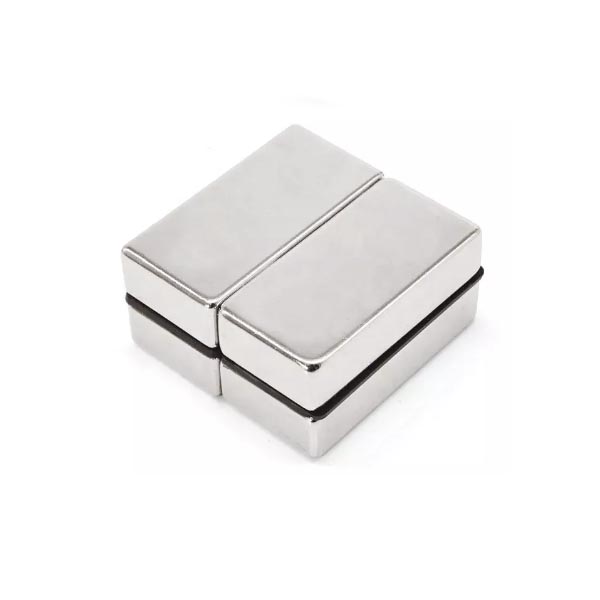
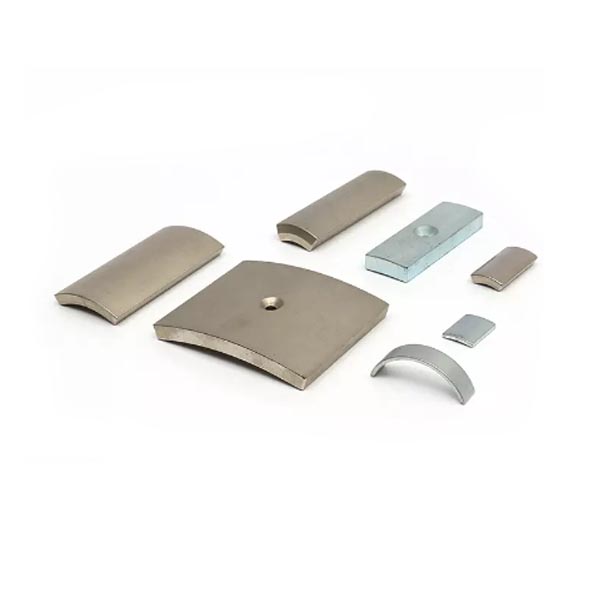
Not all sensor and motor designs fit standard stocked disc magnet dimensions, which pushes plenty of developers toward personalized dimensional modification. We deliver flexible development support covering non-standard outer diameter, thickness, customized diametric magnetization and tightened dimensional tolerance per client’s mechanical drawing. For fully unique parameter demands out of regular specification scope, buyers can source custom specification neodymium magnets with tailored drawings confirmed by our engineering team before formal mold opening.
Sample Policy & Mass Production Lead Time
Fullzen splits project cooperation into prototype sampling and bulk mass production phases to lower clients’ upfront development risk. Small trial samples for design verification can be arranged within 3~5 working days for standard items, while custom-spec disc samples take 7~10 days for new mold fabrication. After sample confirmation passes client’s lab testing, regular bulk order lead time stays around 12 to 18 working days depending on monthly production schedule, and we stick to RoHS & REACH compliance for all shipped batches bound for European and American destinations.
Your Custom Neodymium Magnets Project
We can offer the OEM/ODM services of our products. The product can be customized according to your personalized requirements, including the size, Shape, performance, and coating. please offer your design documents or tell us your ideas and our R&D team will do the rest.
Other Types of Magnets



Post time: Jun-03-2026